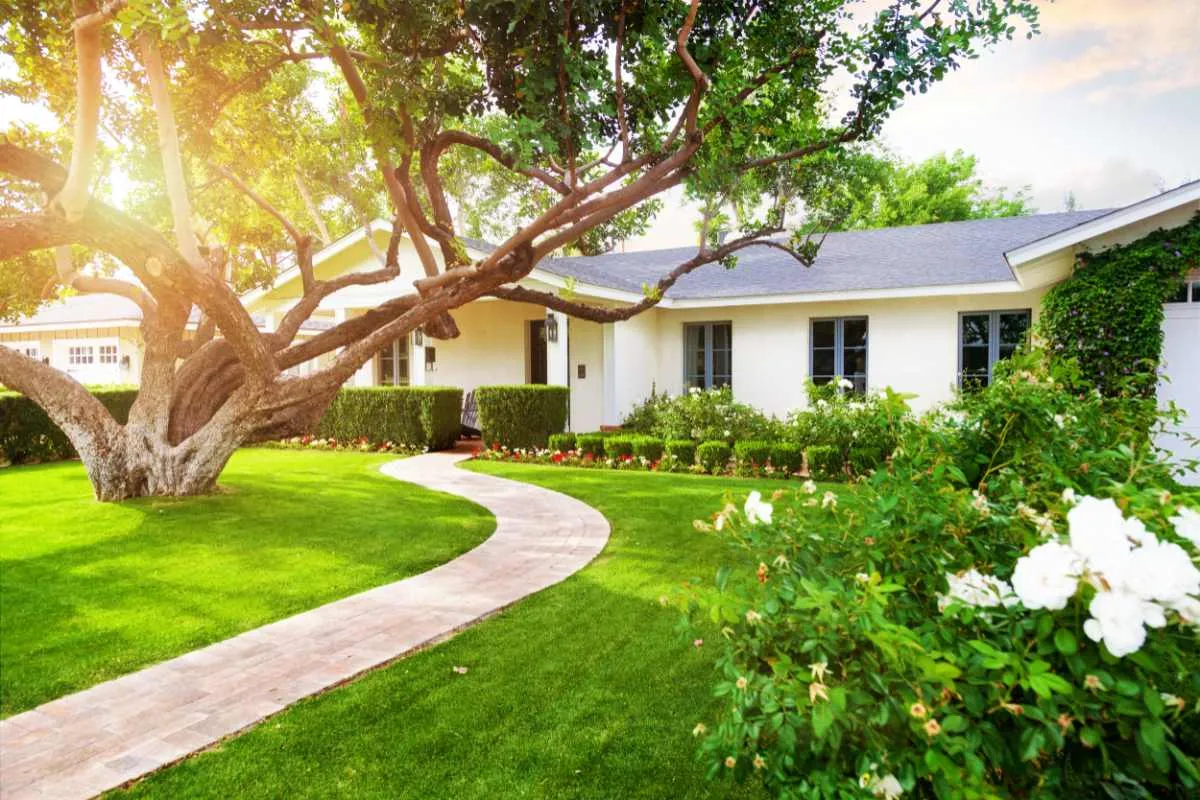
A landscape can still look healthy and yet feel like it is getting away from you. The shrubs may begin stretching beyond where they used to sit. A tree may look heavier through one section than the rest. The property still feels familiar, but not as cleanly put together as before.
That kind of change is easy to see over time around Toney. Plants keep growing, some parts of the yard respond more aggressively than others, and the overall balance can start shifting before anything seems dramatic. TDI Huntsville helps homeowners keep trees and shrubs looking cleaner, fuller, and more balanced with trimming, shrub care, fertilization, and plant health support.
Most changes are easy to miss at first
One shrub may begin crowding the next. A tree may feel slightly too full from one side. Some plantings may keep their strength while others begin losing color or density.
Because those changes build slowly, they are easy to ignore in the beginning. Then the layout starts feeling tighter, the edges of the beds lose some of their shape, and the landscape no longer feels as tidy as it once did.
That is where regular care makes a difference. It helps the yard stay ahead of the drift instead of trying to recover from it later.
In Toney, active growing periods can make plants fill in quickly, but that growth does not always stay under control. Some shrubs get ahead of the space they were meant to fill. Some trees hold too much density where they should feel lighter. That unevenness can change the whole feel of the property over time.
Shrubs may lose their cleaner outline. Trees may begin looking too heavy or too closed in. Weather, insects, and general plant stress can slowly affect how even the landscape feels from one area to the next.
Tree and shrub care helps keep those issues from building into a property that feels harder to manage.
Better balance helps the landscape feel more intentional.
Trees help anchor a yard. They create height, shade, and shape that influence how the rest of the landscape reads.
What usually stands out first
The first thing many homeowners notice is a canopy that feels too full in one area, crowded through the middle, or less open than it once seemed.
Sometimes that becomes clear from the front of the home. Sometimes it shows up while looking across the backyard. Either way, the tree begins affecting the overall look of the property.
Where trimming comes in
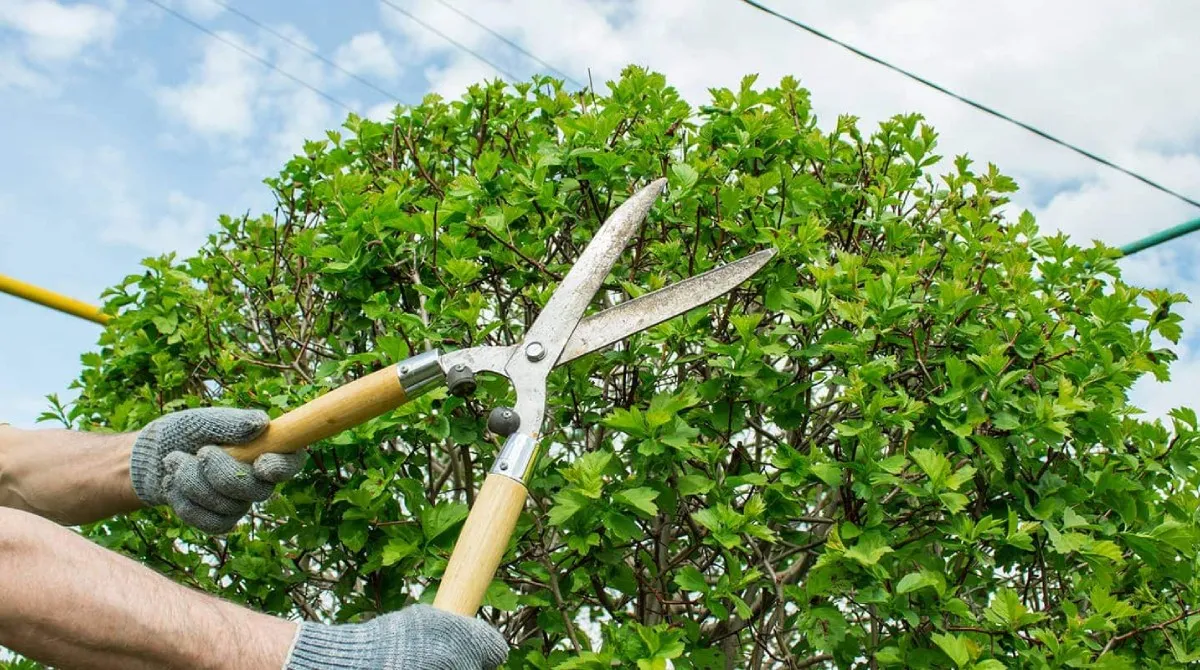
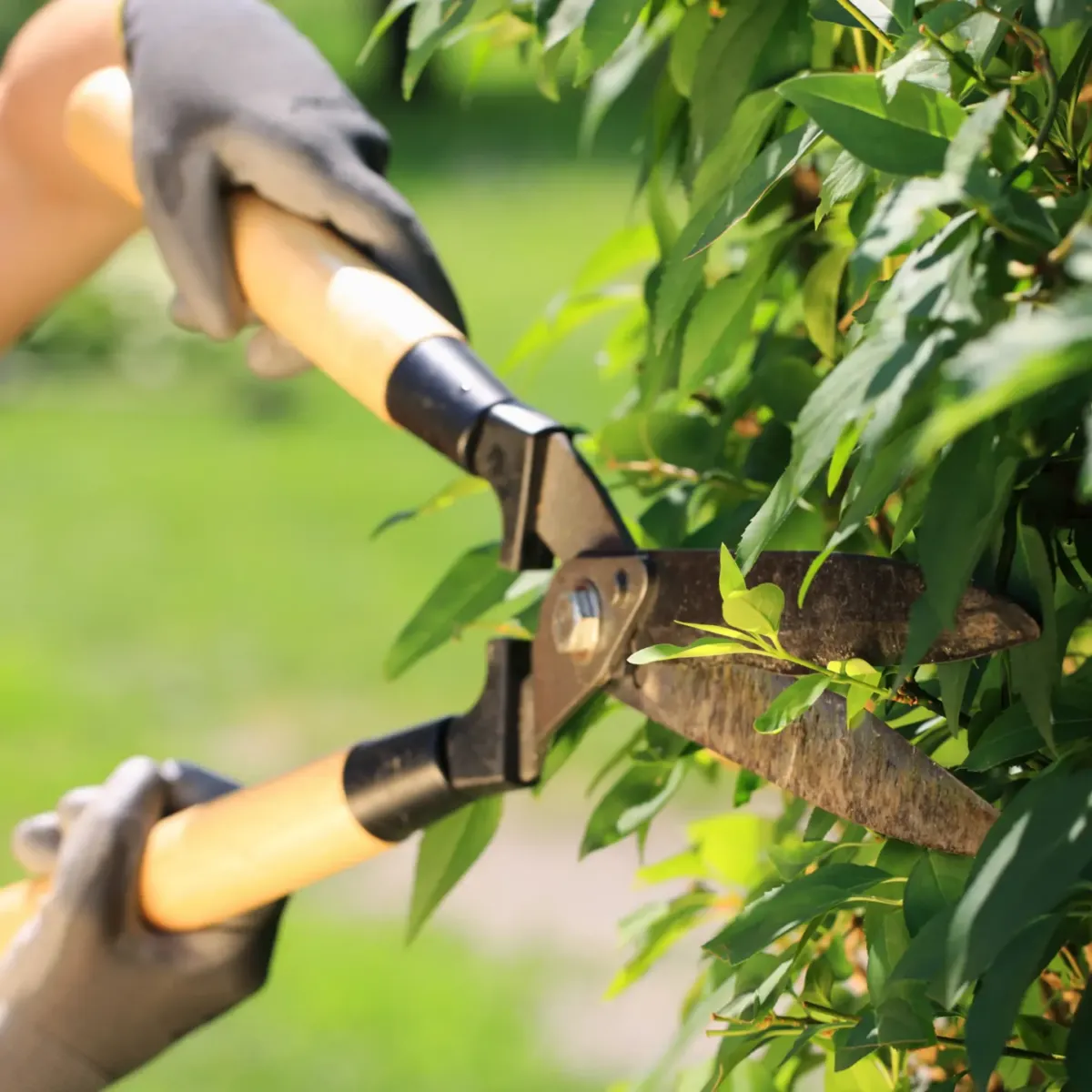
Trimming helps restore a cleaner, more balanced form. That may mean opening dense areas, reducing visual bulk, or refining the shape so the tree feels more natural in the yard again.
The goal is not to make the tree look stripped down. It is to help it look healthier, more balanced, and better placed within the landscape.
Balanced trees help the rest of the yard feel more in step.
Shrubs shape the beds, frame the home, and help the yard feel finished instead of incomplete.
When shrubs begin losing their form, the effect can spread quickly through the entire front of the property.
What usually goes wrong
In Toney, shrubs may react differently to spacing, light, plant variety, and seasonal stress. Some may widen too far. Others may lose fullness. Some may simply stop matching the shrubs around them.
That is when the beds begin looking less steady and more scattered.
Why trimming matters
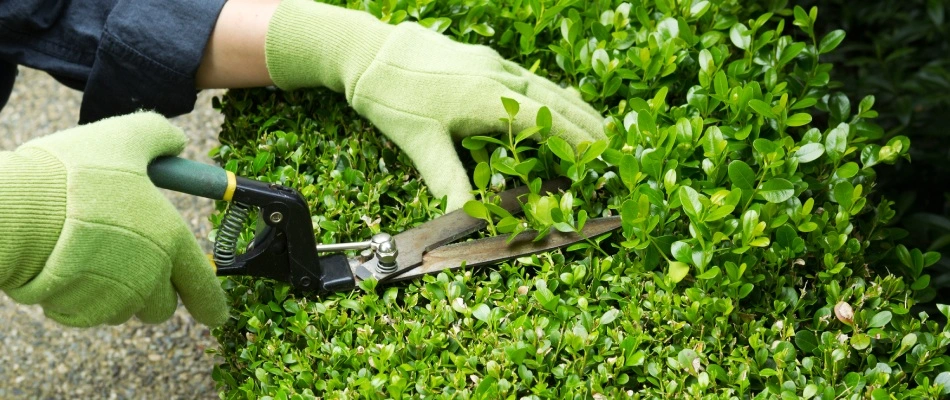
Regular trimming helps keep shrubs in scale with the house and the surrounding planting. It also helps preserve cleaner bed lines and keeps the shrubs from crowding nearby areas.
The right trimming should improve the look without making the planting seem overly shaped.
When fertilization helps
If shrubs begin looking thin, faded, or slow to fill back in, fertilization can help improve fullness over time. It supports healthier growth when shaping alone is not enough.
With the right support, shrubs can begin looking stronger, fuller, and more consistent from one part of the bed to another.
Well-managed shrubs make the property feel more settled.
A yard does not usually start feeling off because of one plant alone. A tree may need better balance. A shrub bed may be widening too far. Another section may feel thinner or less healthy than the rest.
That is why TDI Huntsville looks at the property as a complete landscape. Trees, shrubs, spacing, shape, plant health, and overall visual balance all work together.
The goal is not to make the yard feel overdone. It is to help it feel cleaner, more consistent, and easier to enjoy.
Whole-yard attention often leads to better long-term results.
Fertilization helps support steady, consistent growth.
Around Toney, some plants grow strongly for a while and then begin looking worn down later in the season. Others never fully catch up. A shrub may stay sparse next to fuller plantings. A tree may lose some of its stronger color.
Fertilization helps improve fullness, color, and overall health without forcing unnatural growth. It works best as part of a practical plan that also considers trimming and how the landscape is performing together.
The right support helps the yard stay more even over time.
We take a close look at how the trees, shrubs, beds, and surrounding landscape are growing.
We explain what appears healthy, what seems uneven, and what may need attention first.
Not everything needs to be addressed at once. We help identify where care will matter most.
Some yards need trimming. Others benefit from fertilization. Sometimes it makes sense to do both, along with plant health support.
Everything is done with attention to detail and respect for the landscape.
If ongoing care makes sense, we help keep the yard from gradually slipping back out of shape.
A good process helps the next step feel more manageable.
Trees can begin looking too dense through the canopy or uneven from one side to the other. Shrubs may widen farther than intended, lose a cleaner edge, or stop matching the rest of the bed in fullness. Plants can thin during hot or stressful periods. Leaves may lose some consistency in color. Overgrowth can tighten spacing and make beds feel crowded. Insects and general plant stress can slowly affect how balanced the whole property looks.
Most of the time, it is not a sudden change. It is a collection of gradual ones.
Useful answers often start with a closer look.
If your yard still has the right foundation but feels less tidy, less balanced, or more crowded than it used to, TDI Huntsville can help you sort out what is causing that shift.
We take time to look at the property as a whole, explain what is standing out, and recommend practical care that matches the way your trees and shrubs are growing now.
Often, the difference between a yard that feels off and one that feels right again starts with knowing exactly what to correct first.