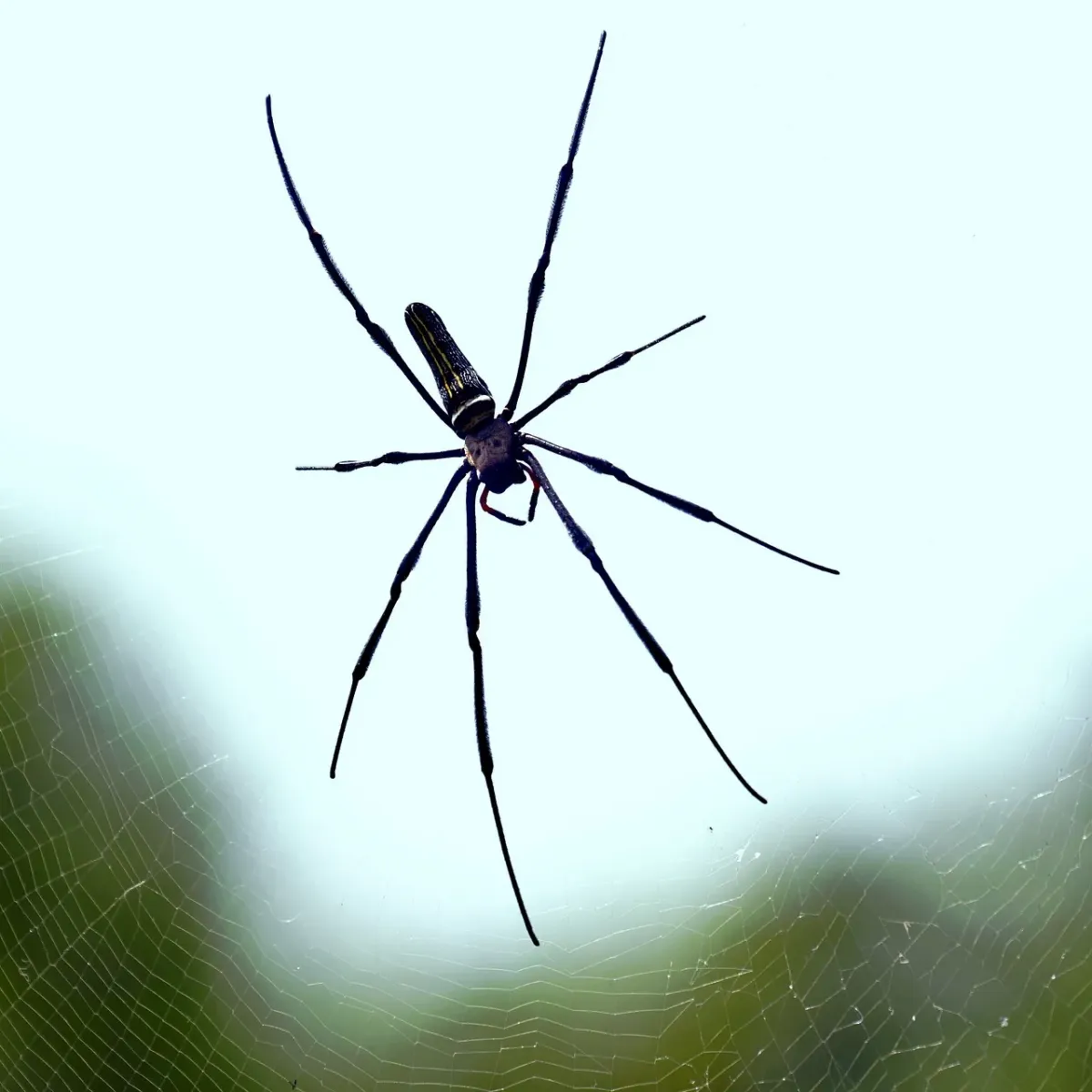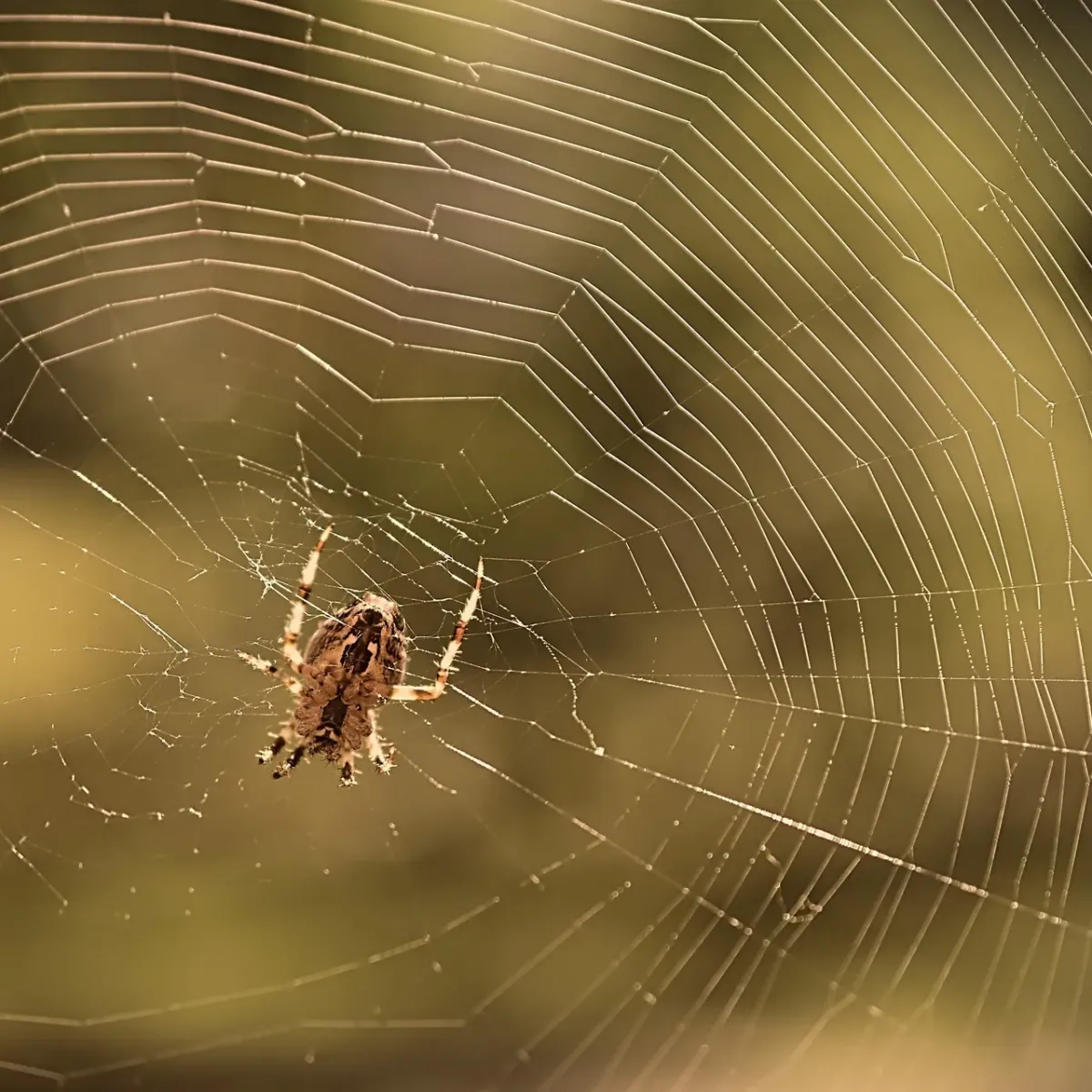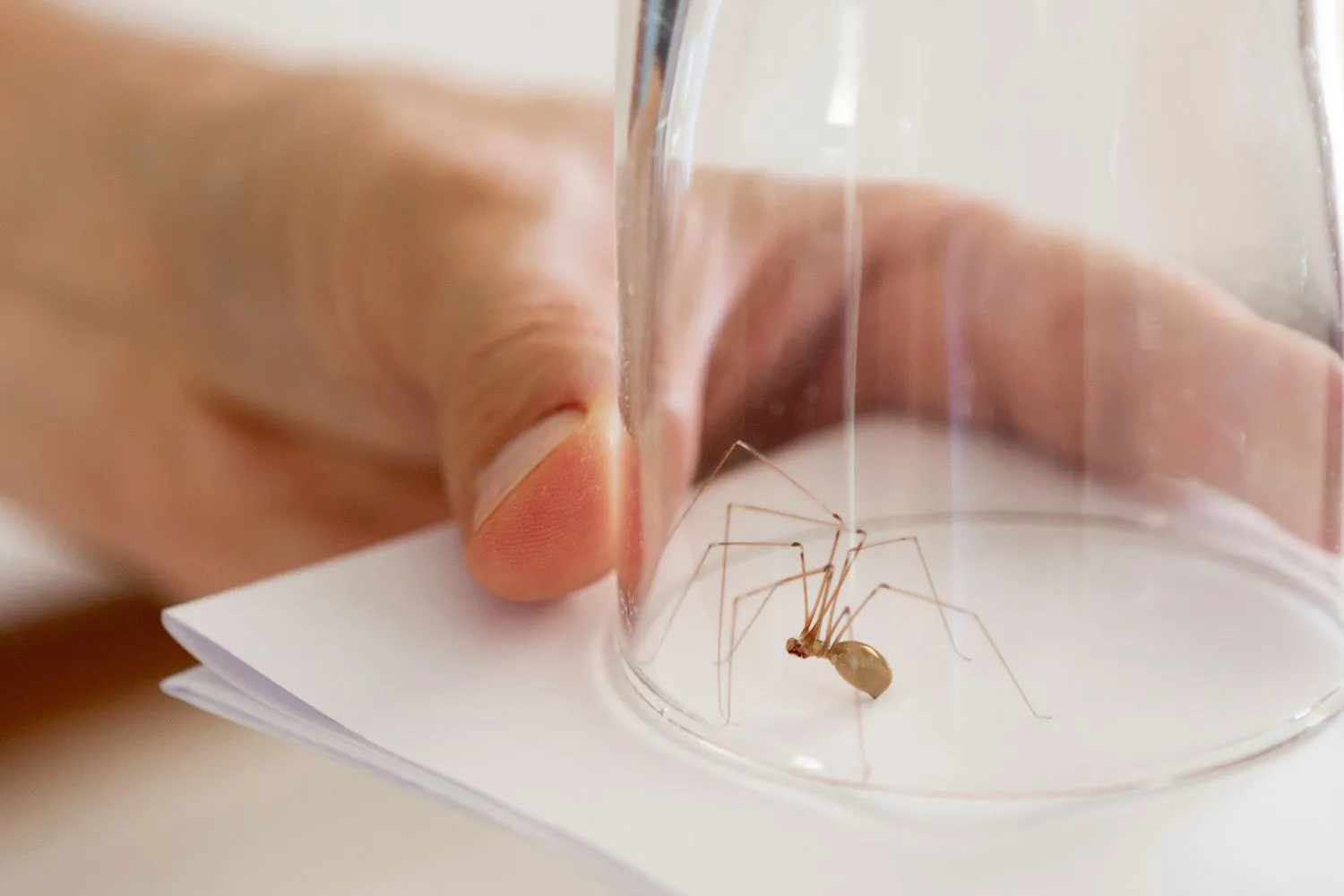
North county garages and workspaces often feed spider trouble.
In Toney, spider trouble often starts in the parts of the property built for work, storage, and routine. A web appears above the garage bay, another forms in the workshop, and then a spider turns up near the mudroom or the shelf where tools and bins stay stacked. On homes with more land and more utility space, the issue often spreads quietly before it feels like a house problem.
TDI Green Services provides spider control in Toney, AL for homeowners dealing with repeat webbing, spider sightings, egg sacs, and spider activity around garages, workshops, porches, storage rooms, sheds, and lower-use indoor spaces. Toney’s north Madison County setting gives many homes broader yards, practical work areas, and detached storage or shop space, which can create ideal spider shelter long before the webs become obvious.
Get ready for summer with our limited time offer!
Enjoy your yard this summer by treating mosquitos early in the season. Schedule your service today!
Only $39.95 for your first service
A quick spray usually handles the spider that got seen and not the conditions that keep replacing it. In Toney, those conditions often include stacked materials in the garage, a back porch light that draws insects, a detached storage area that stays dark, and shelves or corners that rarely get moved.
That is why the same few parts of the property often stay active. The house itself may look perfectly fine, but the useful spider shelter around it remains unchanged. If the insects stay close and the corners stay protected, the pattern keeps rebuilding.
Professional spider pest control works better because Toney homes often need a plan that follows the route from workspaces and storage zones toward the living area. The problem rarely begins in the middle of the home.
Toney structures often support spiders in different ways.
Are commonly noticed in Toney because they move across visible surfaces like garage slabs, workshop floors, storage-room thresholds, and lower-use hallways. They tend to surprise homeowners more than they hide from them.
Are more likely to become obvious through the webs they leave behind. Garage rafters, shelving edges, ceiling corners, utility rooms, and closet tops can all become regular web sites if those spaces stay quiet long enough.
May build around porch rails, fences, stacked lumber, yard equipment, and outdoor lights.
May appear on sunny siding, trim, mailbox posts, and patio furniture.
Should be treated cautiously if suspected around darker sheds, stacked materials, utility boxes, or low-traffic work areas.
Should be handled through inspection instead of assumption.
Spider infestations usually feel repetitive before dramatic.
In Toney, the strongest clue is often how familiar the nuisance becomes. The same garage corner needs cleaning again. The same shelf edge gets webbed. A spider keeps showing up in the same mudroom, closet, or utility area after the homeowner already dealt with it once.
Other signs can be quieter but important. Egg sacs hidden behind boxes or tools, insects caught near a work light, shed skins in lower-use corners, and activity returning shortly after cleanup all point to a pattern that has had time to settle in.
Once outside webbing and indoor sightings start clustering near the same side of the property, the issue usually has a route and is no longer random.
Spiders enter where work areas meet outdoor insect pressure.
Toney homes can attract spiders because the outside edge often stays useful to them. Workshop lighting, wide lawns, side-yard storage, wood stacks, sheds, and quieter edges of the lot can all keep insects active close to the structures.
The paths inside are usually ordinary. Garage seals, worn sweeps, crawl space vents, utility penetrations, torn screens, lower windows, and trim gaps can all provide access once spider activity is already nearby.
Seasonal changes usually make that movement more obvious. Summer often keeps the issue active around porches, garages, and sheds. Fall tends to bring more spiders into closets, storage rooms, and lower-use indoor spaces where the conditions feel steadier.
Spider shelter often grows where tools and bins stay still.
On Toney properties, spiders often choose the spaces that are useful but quiet. Garages, workshops, sheds, utility rooms, under-stair storage, closet shelving, attic corners, and stacked supplies all provide the kind of still shelter they prefer.
Outside, they may settle in fence corners, roof eaves, wood piles, stacked yard equipment, brushy property edges, foundation seams, and the side of the house that gets less traffic.
Inside, spiders usually do best where stored items create structure and people do not disturb them often. That is one reason work and storage spaces matter so much.
A strong spider plan starts with the practical corners.
We inspect the areas most likely to explain the Toney spider pattern, including garages, workshops, visible web sites, porches, likely entry points, storage spaces, and the outside sections where insects stay active.
Treatment may include targeted applications, exterior perimeter work, web removal, visible egg sac removal, crack-and-crevice treatment, residual materials, and interior spot treatment where spiders are already showing up.
Prevention recommendations may include improving storage layout, moving stacked materials, sealing narrow gaps, trimming vegetation, repairing screens, replacing worn sweeps, and reducing insect-heavy lighting around work and entry areas.
Because spider issues in Toney often move between garages, sheds, and indoor storage sections, follow-up helps keep those trouble spots from rebuilding after service.
Toney spider activity follows workspaces and the season.
Spring usually brings webs back to porches, fences, sheds, work lights, and garage fronts as insect movement starts rising around the property again.
Summer often makes the outside problem easiest to see. Warm evenings keep workshop exteriors, porches, garages, and yard-storage areas active with insects and web-building spiders.
Fall tends to move the issue indoors. Closets, storage rooms, utility corners, and garage interiors begin seeing more movement once exposed outdoor shelter becomes less dependable. Winter may reduce visible outside webbing, but protected indoor corners can still hold spiders and egg sacs.
DIY sprays usually miss the route through the work areas.
DIY treatments often go straight to the last spider that got noticed. That may help for the moment, but it often leaves behind the hidden egg sac behind tools, the light drawing insects, and the quiet workshop or garage edge that is still supporting the pattern.
That is why the same sections of the property often become active again. The visible spider was removed, but the route behind it stayed useful.
Professional spider control works better because it treats the repeated path between outside storage areas and indoor shelter instead of stopping at the latest sighting.
Prevention works when still spaces stop staying still.
Toney homeowners can help by clearing webs from porch fixtures and workshop corners, moving stacked materials away from walls, keeping garage shelves easier to inspect, and checking sheds or outdoor storage more regularly.
It also helps to repair torn screens, replace worn sweeps, seal small gaps, trim back vegetation, and keep exterior lights from becoming constant insect magnets around work areas and entries.
Spider prevention usually works best when the quiet corners that help the issue keep going stop being easy places to hide.
Spider treatment should fit homes with garages and workspaces.
TDI Green Services uses licensed technicians and focused spider treatments designed around where activity is actually happening. That makes the service practical for Toney homes where garages, workshops, porches, sheds, and storage rooms all still need to stay functional.
Families and pets move through those same spaces every day. Spider control should reduce the nuisance without making the property harder to work in or live around.
That is why treatment stays centered on the strongest activity zones instead of treating every area like it carries the same problem.
Local Toney property knowledge improves spider control quality.
TDI Green Services serves Toney through its Huntsville location and understands that broader lots, workspaces, detached storage, garages, and yard-focused home layouts create a different spider-control pattern than denser neighborhood settings.
A Toney spider issue often begins in practical spaces like workshops, sheds, or garage corners and then works toward the house. Treating only the latest indoor sighting usually misses that route.
TDI Green Services approaches spider control with that wider property view in mind, helping homeowners reduce repeat webs and sightings where the issue is actually starting.
Toney homeowners usually ask about sheds and workshop areas.
Request spider control in Toney with TDI Green Services if workshops, sheds, garages, porches, or storage areas keep becoming spider hotspots. Book an inspection and we will sort out where the activity is building across the property and what needs to be treated first. A well-planned service can make the whole home and work area easier to stay ahead of.