Get your lawn back on track with 50% OFF first application!* 50% OFF First Application!* Call Now

Normal lawns need rhythm, not guesses

Lawn Care Services in Normal, Alabama

A lawn in Normal usually does not stop looking good overnight. It slips a little at a time. Color becomes less even. Thin areas stop filling back in. Weeds begin showing up in the same weak spots, and the turf never feels as full as it should. By the time summer stress shows up, the lawn is already behind.

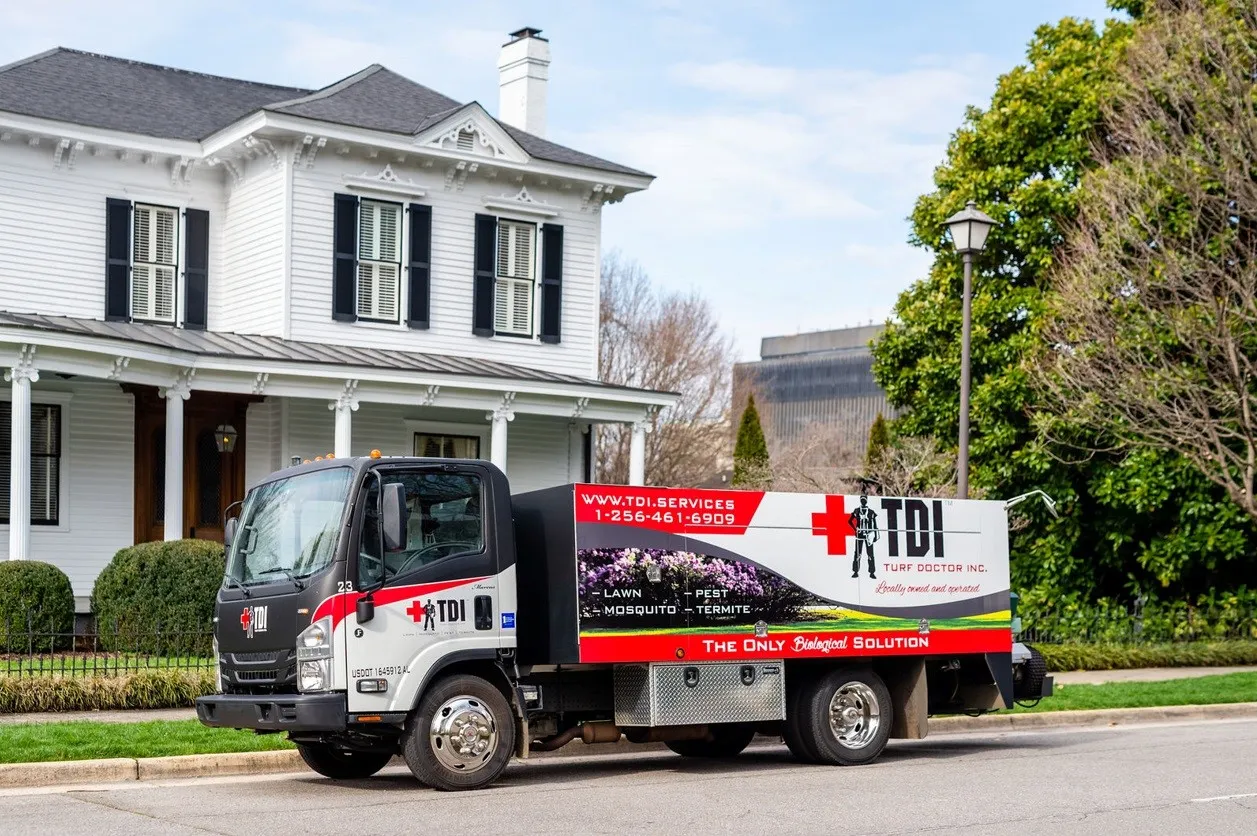
TDI Green Services provides lawn care in Normal with a biological approach built around stronger growing conditions, healthier turf, and seasonal support that helps yards respond better to local weather and everyday use. Instead of pushing one standard program, we look at what your lawn is telling us and build service around that.

Better lawns usually start beneath ground

Our Lawn Care Services in Normal

A lawn care plan should reflect the actual property, not a generic schedule. Some yards in Normal need help with weed pressure that keeps expanding. Others need better soil relief, stronger density, or support after heat and foot traffic wear the turf down. We focus on what gives the lawn the best chance to improve in a steady, lasting way.

Fertilization and Soil Health

Fertilization helps with more than greener color. It supports root strength, more even growth, and stronger turf development through active parts of the season. With TDI’s biological lawn care mindset, the goal stays on improving how the grass grows, not just how it looks for a few days after treatment.

That matters in Normal, where a lawn can appear healthy on the surface while struggling underneath.

Weed Control

Weeds move fastest where the grass is already losing ground. In North Alabama lawns, crabgrass, clover, dandelion, and nutsedge often take advantage of weak turf, open areas, and seasonal stress.

Our weed control service helps reduce those takeovers while supporting a lawn that can hold its space more effectively over time.

Core Aeration and Overseeding

Packed soil makes lawn recovery harder than it needs to be. Water runs off instead of soaking in, roots stay shallow, and worn-looking patches keep hanging around.

Core aeration opens the soil so air, water, and nutrients can move more freely. Overseeding can then help improve thickness, reduce bare-looking sections, and give the lawn a more finished appearance.

Lawn Pest and Grub Control

Not every struggling lawn has a weed problem. Sometimes the real issue is insect pressure. Grubs, armyworms, chinch bugs, and similar turf pests can weaken grass from above or below before the cause becomes obvious.

Protecting the lawn from that kind of damage helps the turf keep the progress it is making.

Lime Treatment When Needed

Some lawns need help balancing soil conditions so other treatments can work more effectively. When that becomes part of the problem, lime may help create a better environment for stronger turf growth.

Simple service helps lawns improve steadily

How It Works

Request a Quote

You tell us what you have been seeing in the yard, whether that is thinning grass, weed growth, pale color, or areas that do not recover well.

Review the Lawn

We assess the turf, look at likely pressure points, and consider how the season is affecting the property.

Build the Right Plan

We recommend the lawn care services that fit, whether that includes fertilization, aeration, overseeding, weed control, pest support, or a combination.

Complete the Service

Treatments are performed with attention to turf condition, timing, and how the lawn is likely to respond.

Support Long-Term Progress

As the season changes, we help keep the lawn moving in a healthier direction instead of slipping back into the same pattern.

Right grass makes recovery much easier

Best Grass Types for Normal, Alabama

Normal lawns usually perform best with grasses that can tolerate heat, humidity, and long stretches of summer growth. That is why warm-season varieties tend to fit this area well.

Bermuda grass is often a strong choice for lawns with good sun and regular use because it handles traffic well and recovers quickly. Zoysia is another solid option for homeowners who want dense, attractive turf with strong summer performance. In some shadier parts of a property, tall fescue may still be present, but it often needs more support when the hottest part of the year arrives.

The best fit depends on light, drainage, and how the yard is expected to look and function.

Each season changes turf stress patterns

Seasonal Lawn Care Tips for Normal

A lawn in Normal does not need the same support in March that it needs in July. Timing affects how well the turf responds and how much ground it loses or gains through the season.

Spring Lawn Tips

Spring is the time to get ahead of weeds, wake the lawn up properly, and identify thin or compacted areas before heavier stress arrives.

Summer Lawn Tips

Summer care should stay measured. Deep morning watering, close attention to weed growth, and quicker response to turf insects all matter more once the heat settles in.

Fall Lawn Tips

Fall can be one of the most useful seasons for recovery. Aeration, overseeding, and steady nutrient support can help rebuild density and improve the lawn’s overall appearance.

Winter Lawn Tips

Winter gives homeowners a chance to protect dormant turf from unnecessary wear and think ahead about what the yard struggled with the previous season.

Common Lawn Pests and Weeds in Normal

Most lawn problems begin with a small shift. A patch stops filling in. A section looks paler than the rest. A few weeds become many. Those early signs are worth paying attention to because they rarely stay minor for long.

  • Common Lawn Insects

    Grubs, chinch bugs, armyworms, and sod webworms can all affect lawns in this region. Some weaken roots. Others damage the grass blades directly. The result is often turf that looks thinner, weaker, or slower to recover.

  • Common Lawn Weeds

    Crabgrass, clover, dandelion, and nutsedge are common weeds around Normal lawns. They usually spread where the turf is already stressed, sparse, or not growing densely enough to push back.

Local weather shapes every lawn outcome

Lawn Care Facts for Normal, Alabama

Normal lawns deal with warm, humid summers, periods of fast growth, and soil conditions that can vary from property to property. Those local factors can support a strong lawn, but they can also expose weaknesses quickly when the turf lacks density or root strength.

A lawn plan in Normal usually works best when it accounts for timing, compaction, weed pressure, and the way seasonal stress builds across North Alabama yards.

Healthy turf needs local judgment first

Why Choose TDI Green Services for Lawn Care in Normal

TDI Green Services takes a biological approach to lawn care because stronger lawns usually come from healthier growing conditions, not short-lived cosmetic changes alone. That approach fits Normal homeowners who want better turf over time, not just temporary improvement.

We focus on practical recommendations, local awareness, and treatment plans that fit the property instead of relying on a one-size-fits-all routine.

Questions help homeowners care more wisely

Frequently Asked Questions

Ready to Transform Your Lawn in Normal?

If your lawn has started looking thinner, weaker, or harder to keep in shape, it usually means the yard needs a smarter plan instead of more guesswork. TDI Green Services helps Normal homeowners build stronger turf with care shaped around the lawn, the season, and the kind of long-term improvement that actually lasts. Request your quote today and get your yard moving in the right direction.