Lawns in Moores Mill need patience
A lawn in Moores Mill can start slipping without ever looking completely bad at first. The grass may still grow, but it stops filling in the way it should. Color gets uneven. Certain spots stay weak no matter how often they are watered. Then weeds start using those same sections as an opening, and the yard begins feeling less reliable from one season to the next.
TDI Green Services provides lawn care in Moores Mill with a biological approach built around healthier turf, smarter timing, and better growing conditions. The goal is not to force a quick improvement that disappears in a few weeks. It is to help the lawn grow thicker, recover more evenly, and stay stronger through the stress that North Alabama yards face.
A stronger lawn begins with support
No two lawns in Moores Mill behave exactly alike. One yard may struggle with soil that stays tight. Another may grow well in spring but lose density in the heat. Some properties deal with recurring weed pressure, while others mainly need help building a more complete, even stand of grass.
Fertilization helps the turf do more than look greener. It supports stronger roots, steadier growth, and better overall performance through active growing periods. TDI’s biological mindset keeps the focus on how the lawn develops over time, not just on short-term surface appearance.
That matters when a yard looks acceptable for a while but never really becomes full, healthy, and dependable.
Weeds usually show up where the grass is already losing ground. In Moores Mill, that often means crabgrass, clover, dandelion, and nutsedge moving into areas where the turf is thin, stressed, or slow to recover.
Our weed control service helps reduce that pressure while giving the lawn more room to improve its density and hold space more effectively.
When soil stays compacted, the lawn has a harder time getting what it needs. Water does not move well, roots stay shallow, and patchy areas linger longer than they should.
Core aeration helps loosen the soil and improve movement below the surface. Overseeding can then help build thickness, reduce worn-looking sections, and make the lawn feel more complete.
Some lawn problems are tied to insect pressure more than anything else. Grubs, chinch bugs, armyworms, and other turf-damaging pests can all weaken grass before the reason becomes obvious.
Reducing that kind of damage helps the lawn keep the progress it is trying to make instead of losing momentum unexpectedly.
Some lawns need help improving the soil environment so nutrients are more available to the turf. When the property calls for it, lime treatment can be part of creating better growing conditions overall.
Simple service steps keep progress clear
You tell us what you have been seeing in the yard, whether that means weeds, weak color, patchy growth, or a lawn that never seems to fill in the way it should.
We look at the turf, identify likely pressure points, and consider how the season is affecting the property.
We recommend the services that best fit the lawn, whether that includes fertilization, weed control, aeration, overseeding, pest support, or a combination.
Treatments are completed with attention to timing, turf condition, and how the yard is likely to respond.
As the year changes, the lawn's needs change too. We help keep the yard improving instead of slipping back into the same cycle.
Grass selection shapes lawn performance later
Moores Mill lawns usually do best with grasses that can handle long warm seasons, humid conditions, and periods of summer stress. That is why warm-season turf types often fit this area best.
Bermuda grass works well for lawns that get plenty of sun and regular activity. Zoysia is another strong option for homeowners who want a dense, attractive look with good heat tolerance. In parts of a property with more shade, tall fescue may still be present, but it usually needs more support once temperatures rise.
The right grass choice depends on sun exposure, drainage, and how the yard is expected to function.
Seasonal shifts affect turf more quickly
A lawn in Moores Mill does not need the same kind of support all year. The best results usually come from responding to the season before the turf starts falling behind.
Spring is a good time to get ahead of weeds, encourage steady growth, and identify areas where the lawn may need more support before summer heat becomes a bigger factor.
Summer often puts the most pressure on the yard. Deep morning watering, faster response to turf insects, and close attention to weed growth all become more important during hotter stretches.
Fall can be one of the best opportunities to rebuild density and improve the lawn’s overall appearance. Aeration, overseeding, and steady nutrient support often make a noticeable difference.
Winter is quieter, but it still matters. Limiting extra traffic on dormant turf and planning ahead for spring can help keep the same weak spots from showing up again.
Most lawn problems begin with a small change. A weak patch. A little more weed growth than usual. A section that stays behind the rest of the yard. Those clues matter because they often point to pressure that is already building.
Grubs, chinch bugs, armyworms, and sod webworms can all affect lawns in this area. Some damage roots below the surface, while others weaken the blades more visibly.
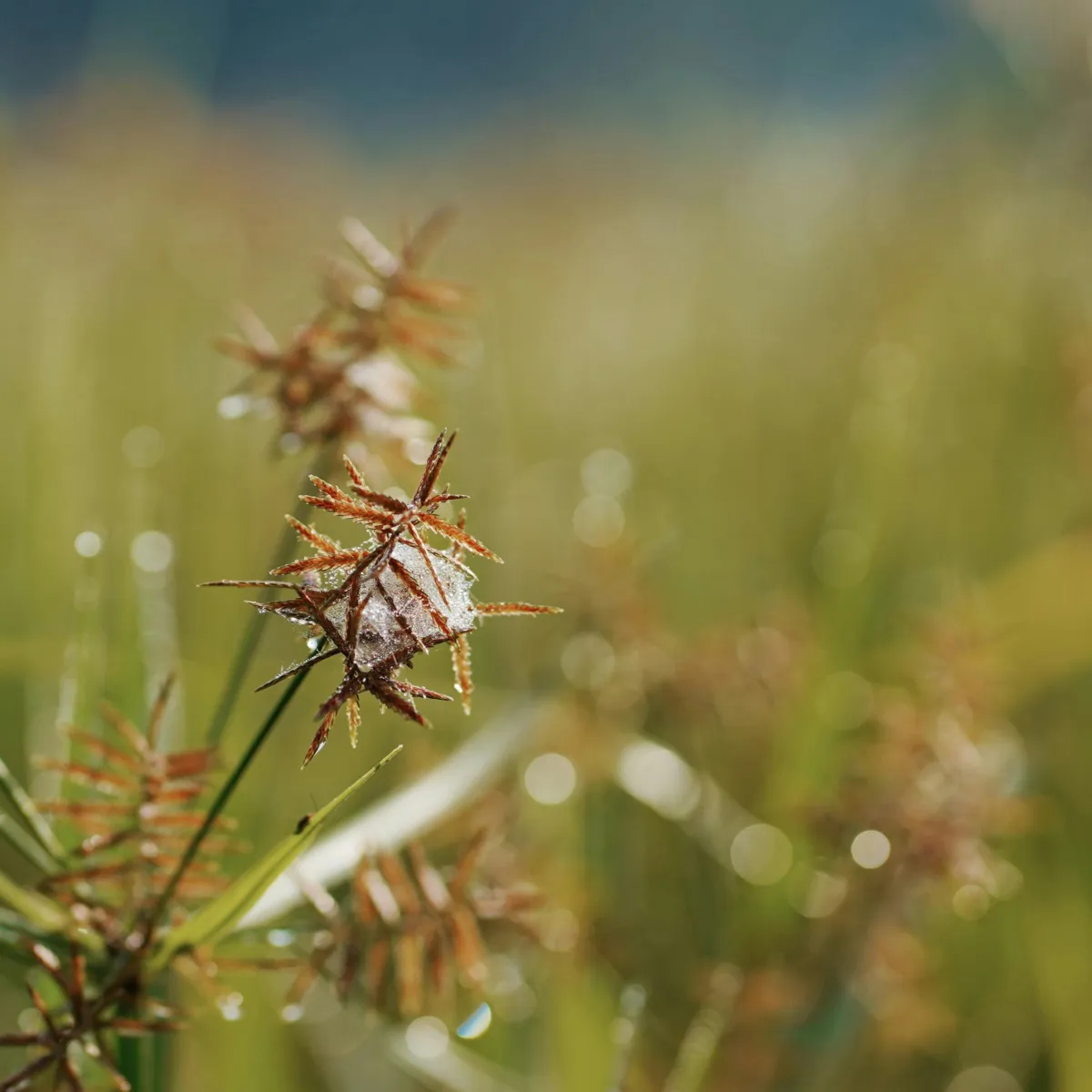
Crabgrass, clover, dandelion, and nutsedge are common weeds around Moores Mill lawns. They usually spread where the turf is already stressed or too thin to hold its ground.
Local conditions guide better lawn choices
Lawns in Moores Mill deal with humid summers, strong seasonal growth, and property-specific differences in sun, slope, drainage, and soil behavior. Those local conditions can support healthy grass, but they can also make weak turf break down faster when the lawn is not getting the right support.
That is why a better lawn plan here starts with understanding what the yard is actually dealing with instead of assuming every property needs the same thing.
Long-term turf health needs local insight
TDI Green Services takes a biological approach to lawn care because healthier turf usually comes from better growing conditions, stronger roots, and a plan that fits the actual property.
For Moores Mill homeowners, that means service that feels more intentional. Instead of treating every lawn the same way, we focus on what helps your yard improve in a steady, sustainable direction.
Useful answers help lawns improve sooner
If your lawn has been stuck in a cycle of thinning, weeds, or uneven growth, it probably needs a plan built around the property instead of more guesswork. TDI Green Services helps Moores Mill homeowners build stronger turf with lawn care designed for better consistency, healthier growth, and results that hold up longer. Request your quote today and give your yard a stronger starting point.