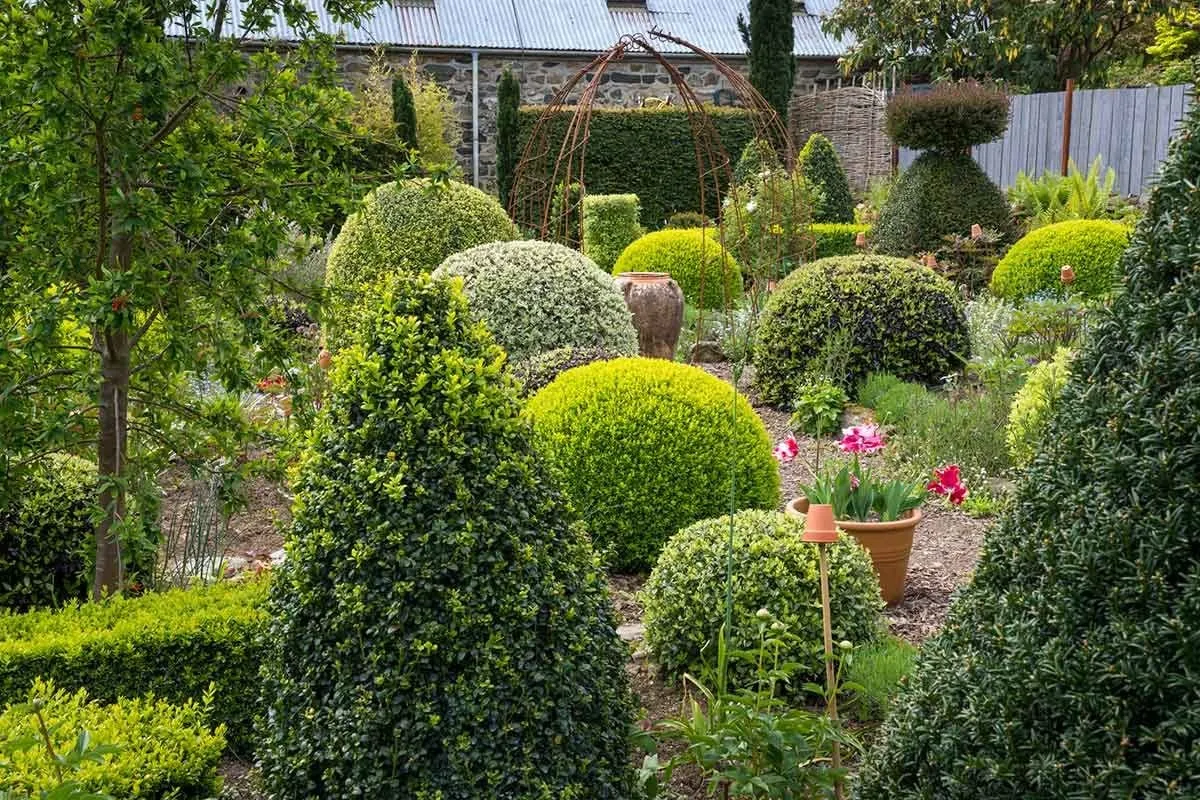
A yard can stay attractive and still lose some of its definition. The shrubs may no longer create the same clean edge around the beds. A tree may begin feeling dense in the wrong places. The landscape still has good bones, but the overall look can start feeling less polished than it used to.
That kind of change shows up gradually around Monrovia. Plants keep growing, some areas respond faster than others, and the property can slowly start feeling less coordinated without one obvious issue standing out first. TDI Huntsville helps homeowners keep trees and shrubs looking cleaner, fuller, and more balanced with trimming, shrub care, fertilization, and plant health support.
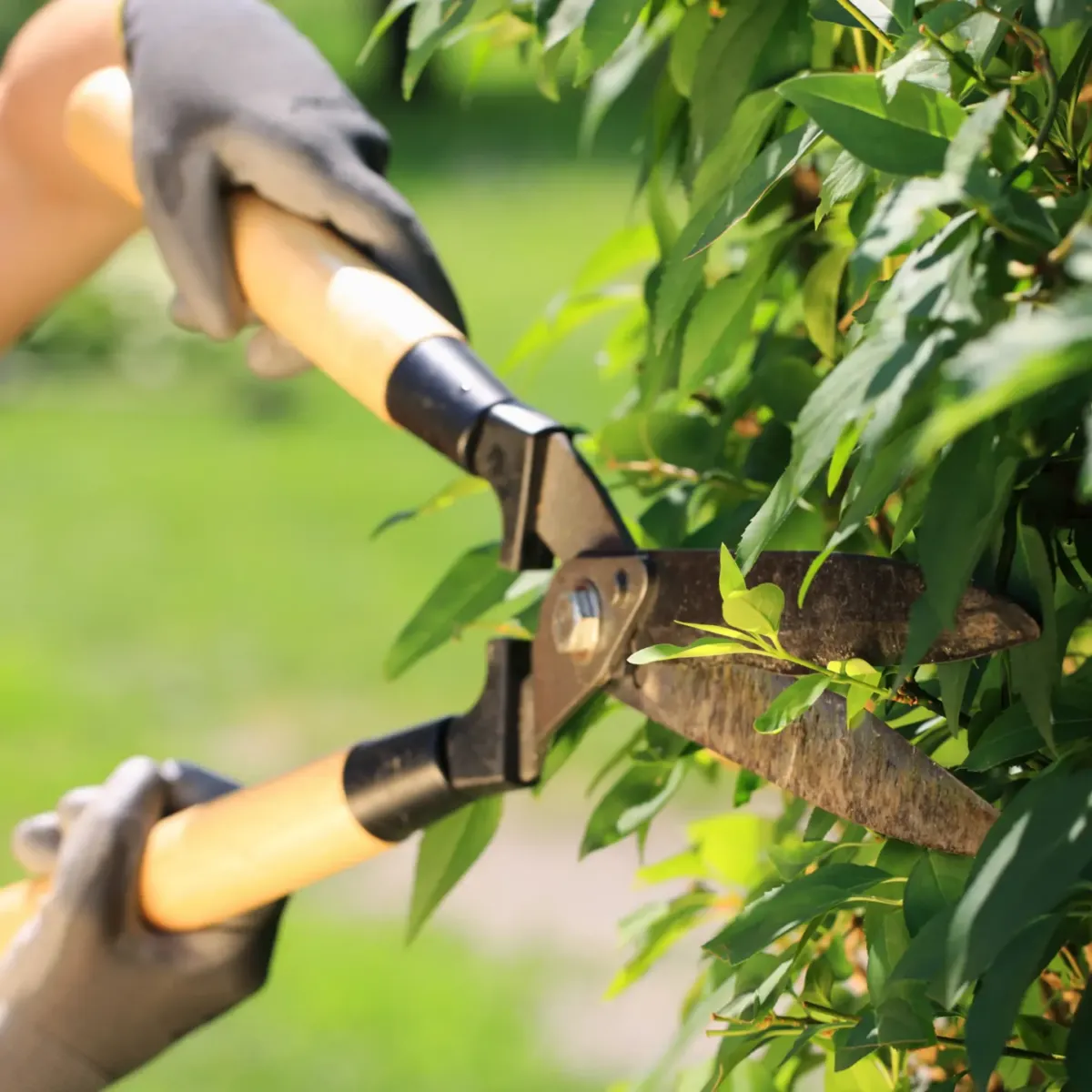
The best landscapes rarely stay sharp by accident.
Most changes are easy to miss at first
One shrub may begin reaching farther forward than the others. A tree may seem thicker through the center when you pull into the driveway. Some plants may still hold their color well while others begin looking a little lighter or less steady.
At first, nothing looks severe. Then the lines around the beds begin softening, the spacing feels less intentional, and the property starts losing some of its cleaner finish.
That is why regular attention matters. The yard usually does not need a dramatic change. It usually needs the kind of care that keeps the small problems from quietly becoming the new normal.
Good structure usually makes the whole property feel calmer.
In Monrovia, shrubs and trees can put on a lot of growth during active parts of the season, but that growth does not always happen evenly. One section of the yard may fill in quickly while another starts lagging behind. Over time, that imbalance changes the way the whole property feels.
Shrubs may begin looking loose around their edges. Trees may hold too much density in the wrong section of the canopy. General plant stress, changing weather, and insect pressure can slowly affect how balanced the landscape feels from one area to another.
Tree and shrub care helps keep those shifts from turning into a yard that looks more scattered than settled.
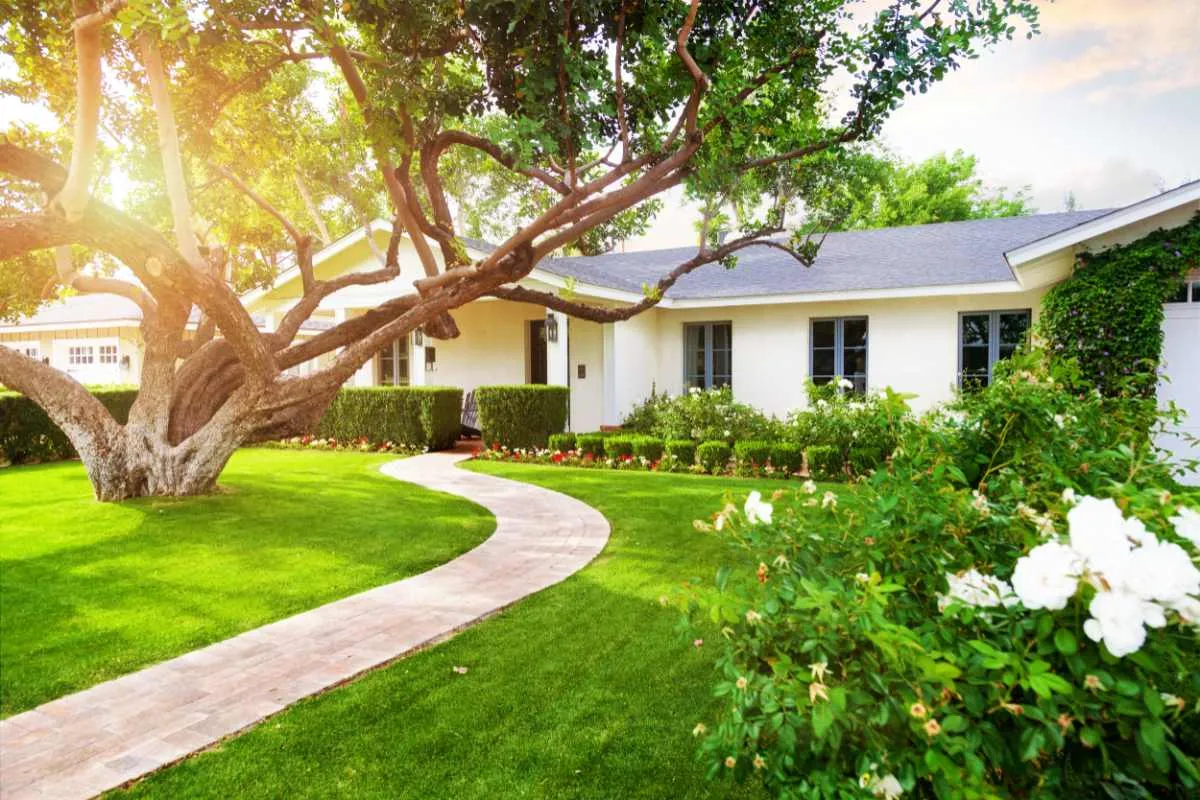
A well-shaped tree can quietly improve the look of the whole yard.
Trees carry a lot of visual weight. They help set the tone for the yard, which means they also stand out quickly when the shape starts feeling off.
What usually stands out first
A tree may begin looking too full on one side, too compact through the middle, or less open than it used to. The outline may feel heavier than the rest of the landscape around it.
That kind of change is often subtle at first. Then it starts pulling attention whenever you look across the property.
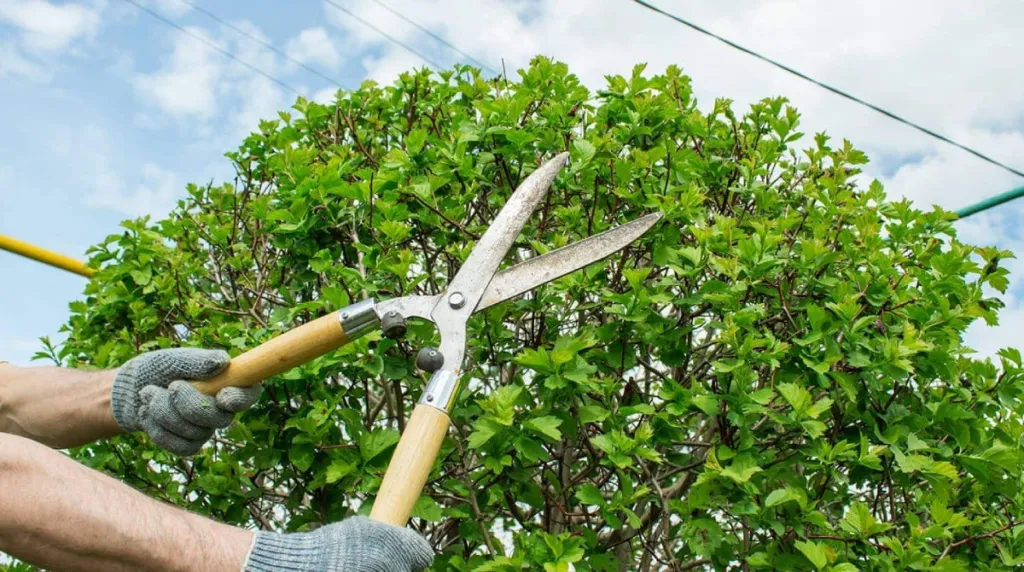
Where trimming comes in;
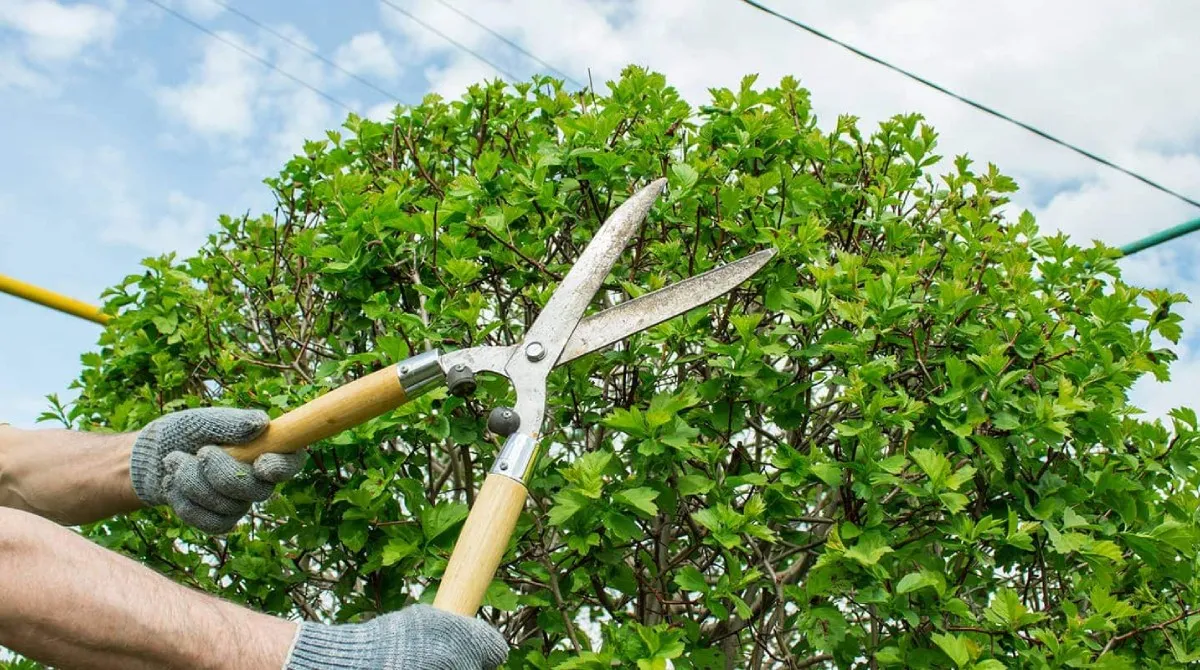
Trimming helps restore a cleaner, more natural proportion. That might mean opening dense growth, reducing extra weight in one section, or refining the overall form so the tree fits the space better again.
The goal is not to make the tree look overworked. It is to help it look healthier, more balanced, and easier on the eye.
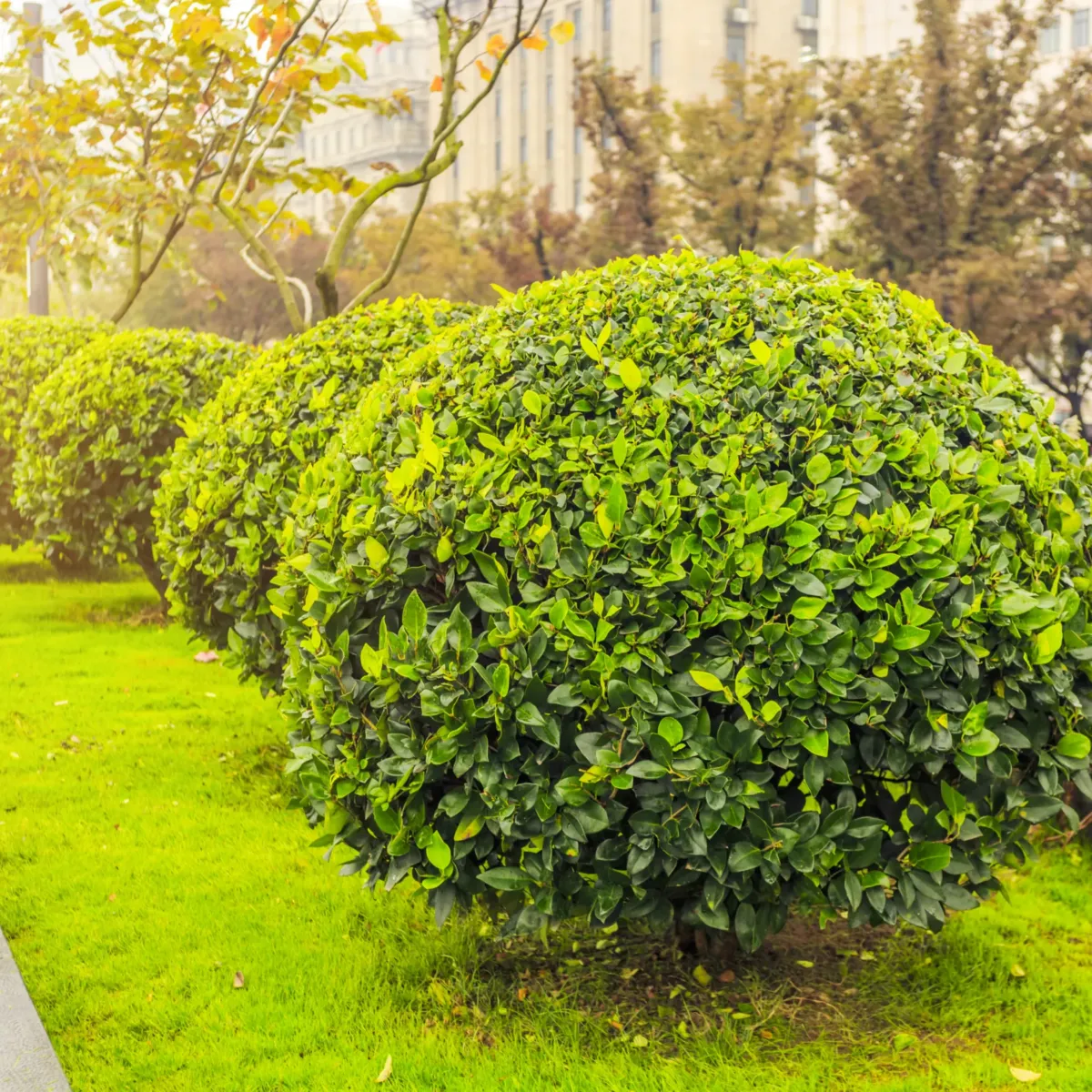
Well-kept shrubs help the entire landscape feel more intentional.
Shrubs do more than fill in beds. They help define spaces, support the look of the home, and create the kind of order that makes the whole landscape feel finished.
When shrubs begin losing their form, the effect can spread quickly through the entire front of the property.
What usually goes wrong
In Monrovia, shrubs can start growing unevenly because of spacing, light exposure, plant type, and general stress. Some widen too far. Some lose density. Some simply stop matching the rest of the planting.
That is when a bed that once looked clean begins feeling uneven or overly soft.
Why trimming matters
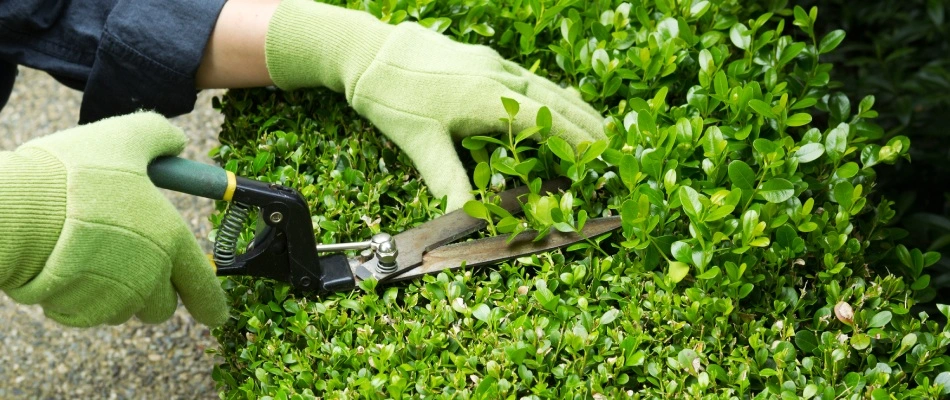
Regular trimming helps shrubs stay in proportion with the house and the surrounding landscape. It keeps the planting from drifting too far into nearby space and helps the beds hold their intended shape.
The right trimming should improve the look without making the shrubs feel stiff or overly formal.
When fertilization helps
If shrubs begin looking faded, sparse, or slower to recover fullness, fertilization can help support better growth over time. It is especially useful when shaping alone is not enough to bring consistency back to the bed.
With the right support, shrubs can begin looking fuller, steadier, and more connected to the rest of the property.
Looking at the full yard often leads to cleaner results.
A yard can feel off in ways that are hard to explain until you step back and look at everything together. A tree may need balancing. A bed may be widening too much. A few plants may no longer match the rest in fullness or color.
That is why TDI Huntsville looks at the property as a complete landscape. Trees, shrubs, spacing, shape, and plant health all influence the way the yard comes together visually.
The goal is not to remake the property. It is to help the existing landscape feel more connected and more cared for.
Better support usually leads to a more even-looking yard.
Fertilization helps support steady, consistent growth.
Around Monrovia, some plants may start out strong and then begin losing momentum later in the season. Others never quite catch up. A shrub may remain weak beside fuller ones. A tree may not hold the same rich color it once had.
Fertilization helps improve color, fullness, and overall health without forcing growth that looks unnatural. It works best when it is part of a practical plan that also considers trimming and how the entire landscape is performing.
A clear plan tends to make every next step easier.
We start by looking closely at the trees, shrubs, bed layout, and places where the yard seems less balanced.
We explain what appears healthy, what looks uneven, and which changes may be affecting the overall appearance most.
Not every issue needs immediate attention. We help sort out what will create the strongest improvement first.
Some landscapes need trimming. Others benefit from fertilization. Sometimes the best plan includes both, along with plant health support.
Everything is done with attention to detail so the property looks improved while still feeling natural.
If the yard would benefit from continued care, we help keep it from slowly drifting back out of shape.
Clear answers usually make the next move easier.
Trees can begin looking dense where they should feel lighter. Shrubs may stretch beyond the bed edge or lose a cleaner outline. Some plants can start thinning during stressful weather while others remain full, which makes the whole yard feel uneven. Leaves may look less vibrant in certain areas, and general plant stress can slowly affect how steady the property looks overall.
Most of the time, it is not one major issue. It is a gradual collection of smaller ones.
Useful answers often start with a closer look.
If your landscape feels like it is slipping away from the look it used to have, TDI Huntsville can help you figure out what is changing and what kind of care will make the biggest difference.
We take time to look at the whole property, not just the first plant that stands out, so the recommendations actually fit the way the yard is growing now.
Sometimes getting the yard back on track starts with a few smart corrections made at the right time.