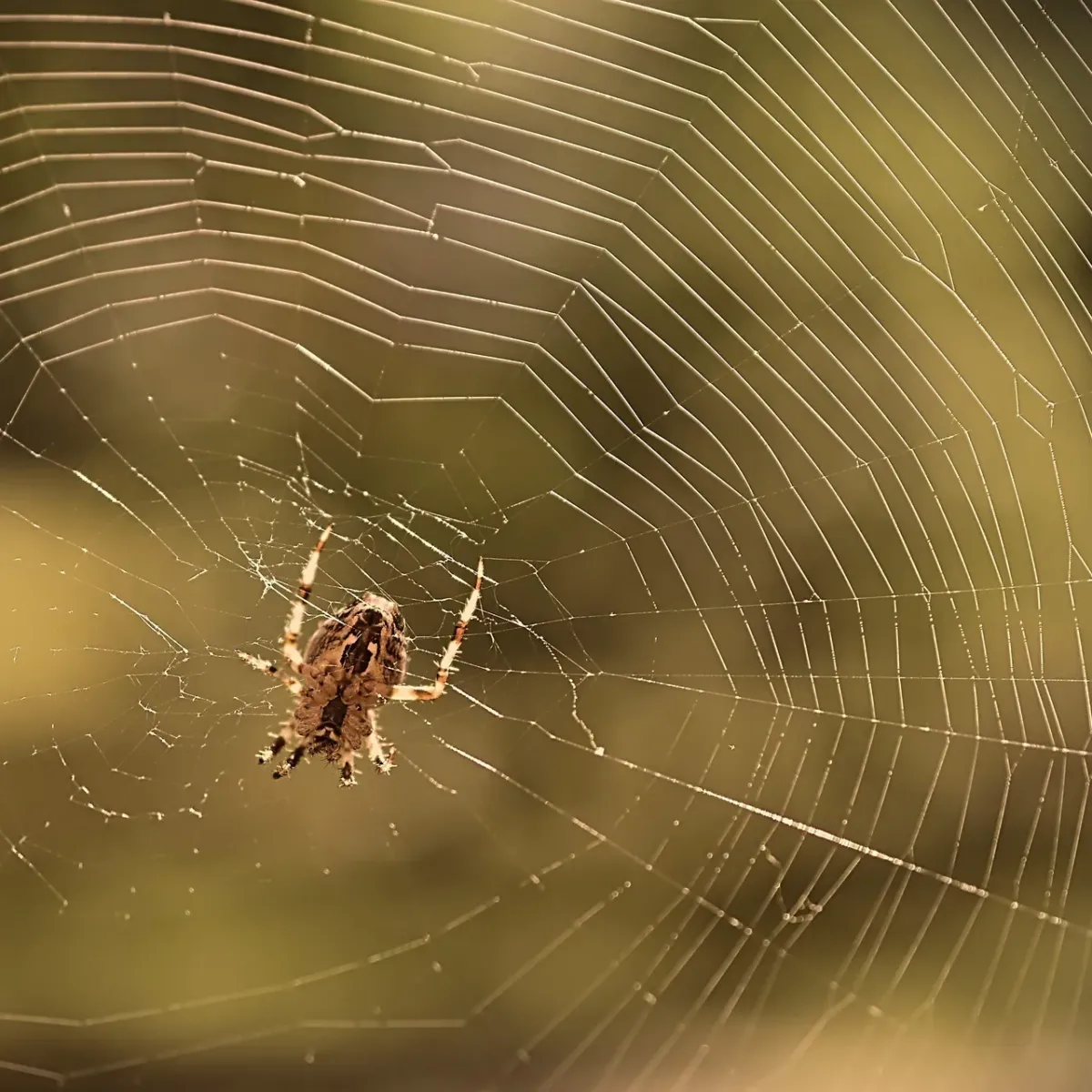
West county slopes and subdivision edges can attract spiders.
Monrovia spider problems often show up where the neighborhood gives way to a greener or quieter edge. A web appears around the porch light, another along the side of the garage, and later a spider turns up near a lower closet or utility area that sits closest to the outside-facing wall. Because many Monrovia homes combine subdivision living with nearby open stretches and west-side drainage or slope changes, the pattern can feel subtle at first.
TDI Green Services provides spider control in Monrovia, AL for homeowners dealing with recurring webs, spider sightings, egg sacs, and spider activity around porches, garages, patios, storage spaces, and lower rooms. Monrovia sits in west Madison County between Madison, Huntsville, and Harvest, and the area’s blend of newer neighborhoods, community spaces, and outside edges creates a spider pattern that is shaped by both neighborhood structure and open-land influence.
Get ready for summer with our limited time offer!
Enjoy your yard this summer by treating mosquitos early in the season. Schedule your service today!
Only $39.95 for your first service
A spider issue in Monrovia often depends on how the home sits on the lot. One side may face quieter green space. Another may have a shaded side yard or a fence line that sees less foot traffic. Patios, back-entry lights, garage corners, and lower storage sections often become connected parts of one repeating pattern.
That is why a quick spray usually feels too temporary. It can get rid of the spider on the trim or the web under the porch light, but it does not change the hidden egg sac behind the storage shelf or the outside edge where insects keep staying active.
Professional spider pest control works better because Monrovia homes often need the route traced from the yard edge toward the interior. The issue is usually more about connection than clutter.
Monrovia homes often show spider pressure by side of house.
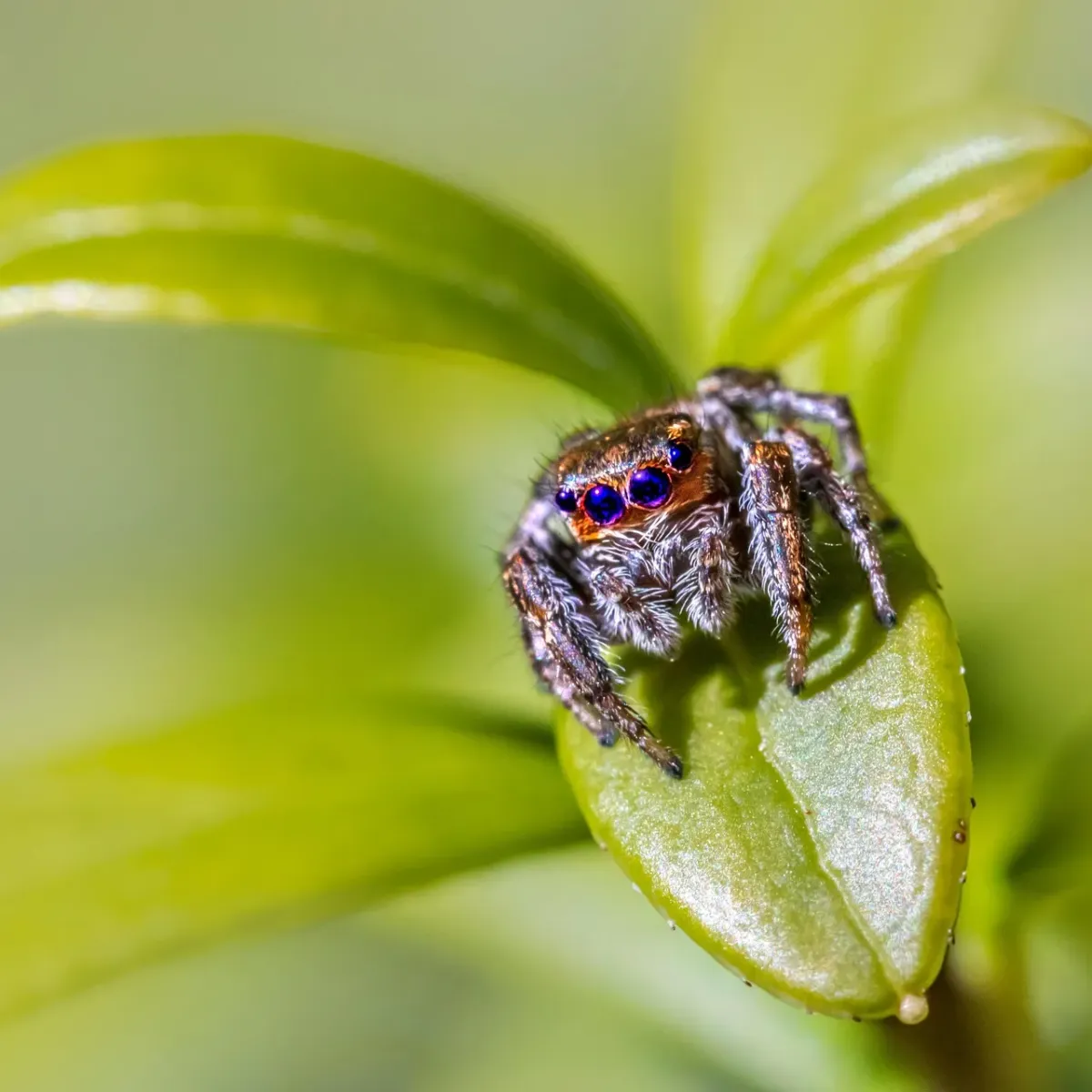
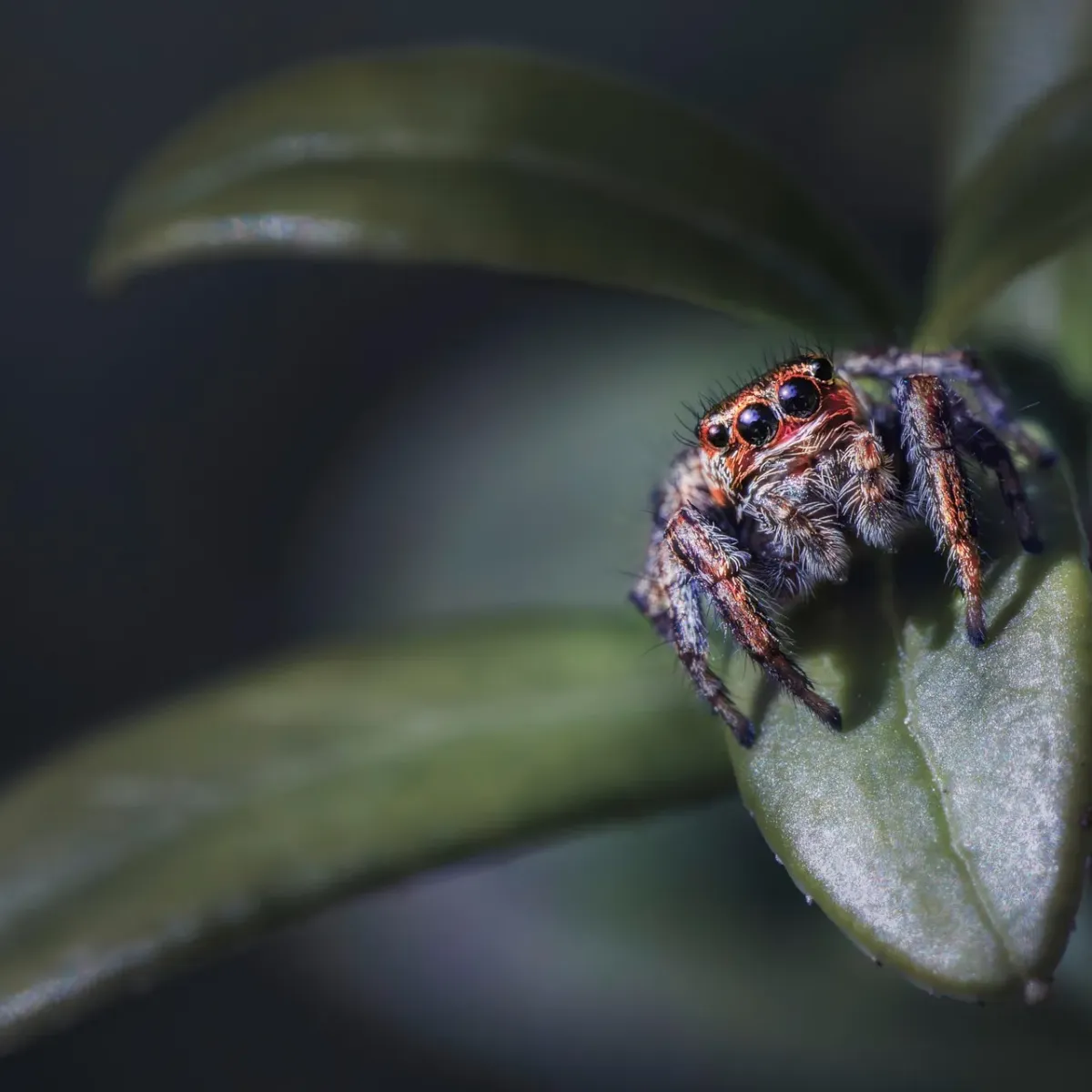
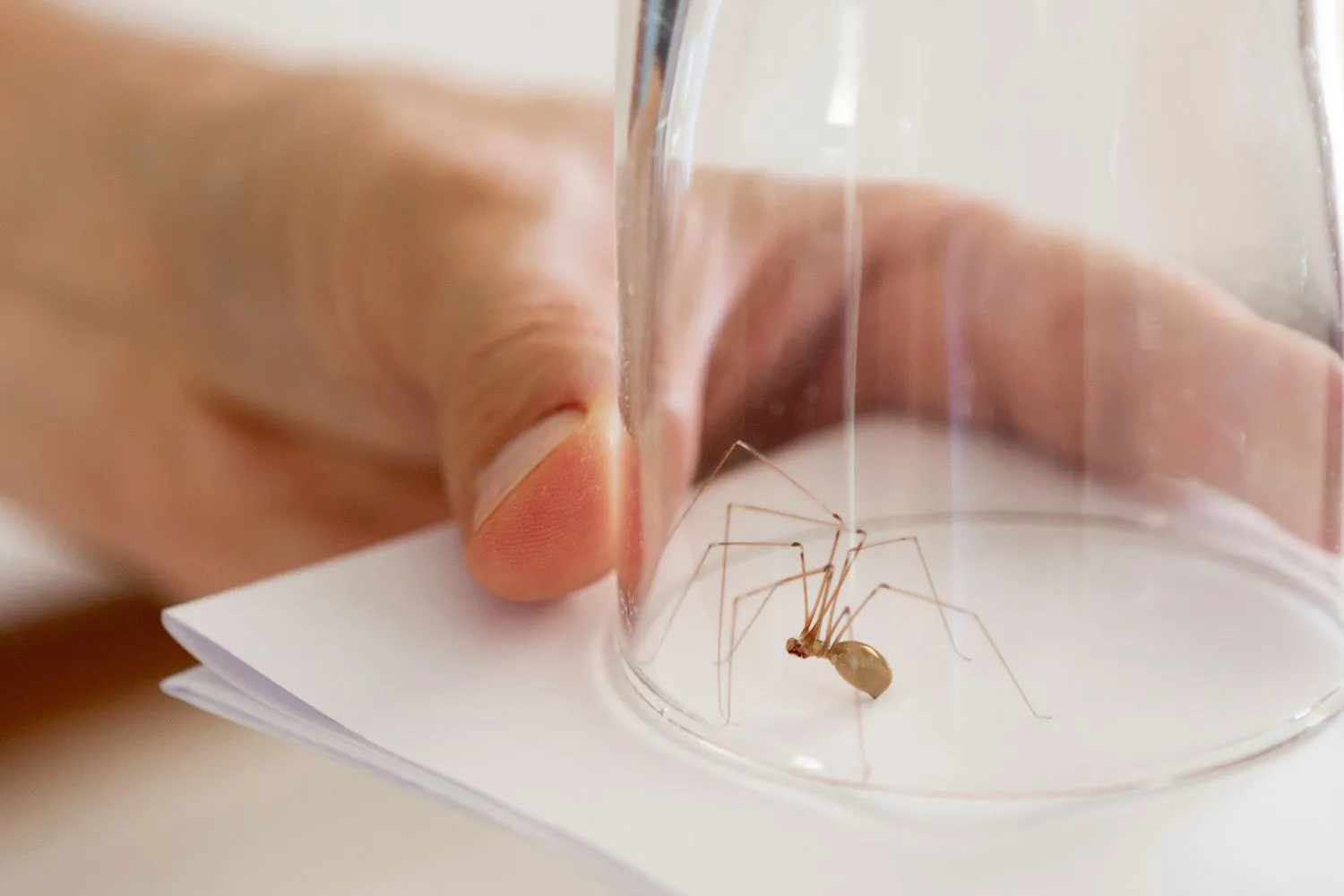
Are often the first spiders homeowners mention because they move openly across garage floors, lower-use rooms, storage-room thresholds, and utility spaces rather than staying tucked into webbing.
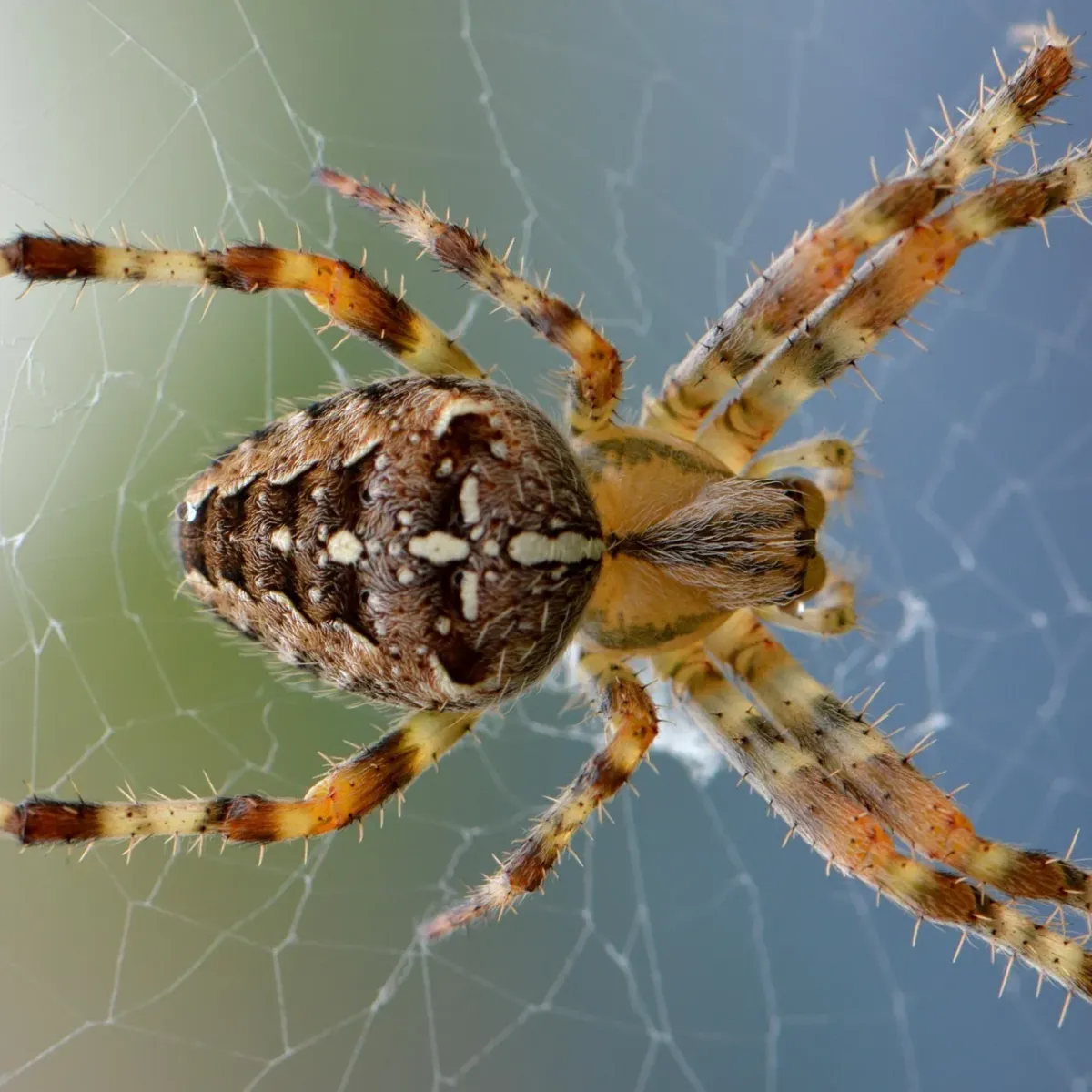
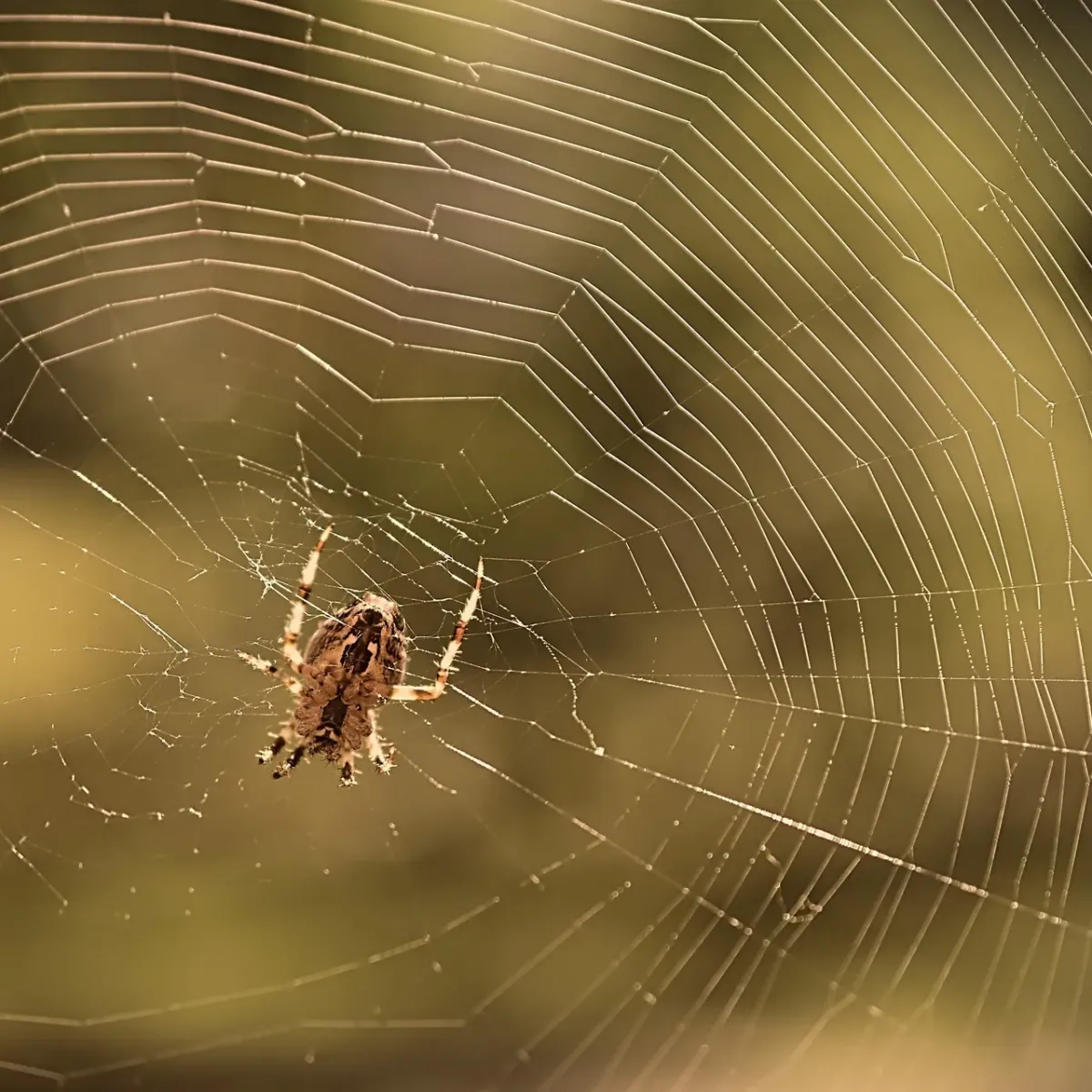
Are more likely to settle into the less-disturbed sections of the home. Ceiling lines, shelving corners, closet edges, utility rooms, and the back sides of garage storage all make useful repeat web sites.
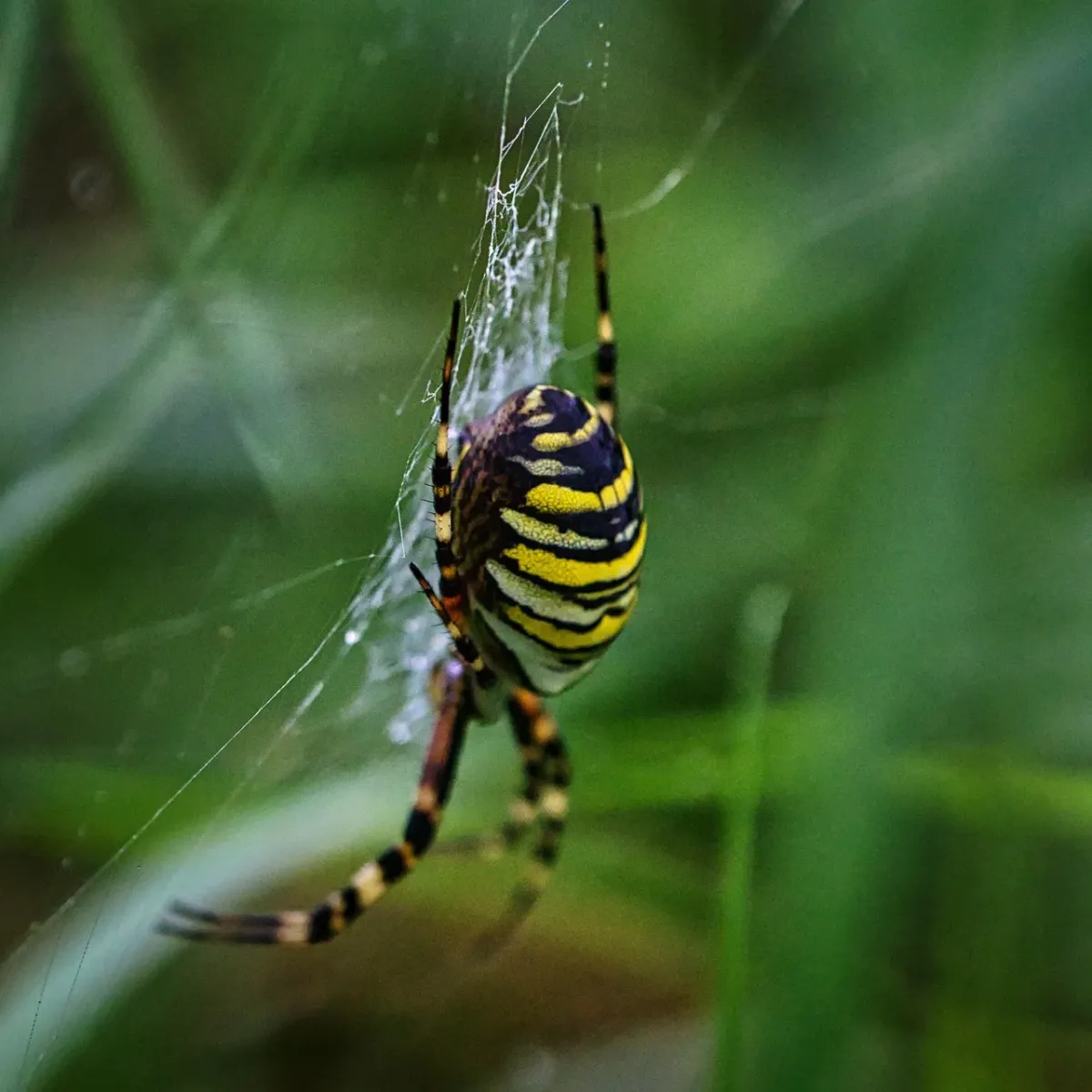
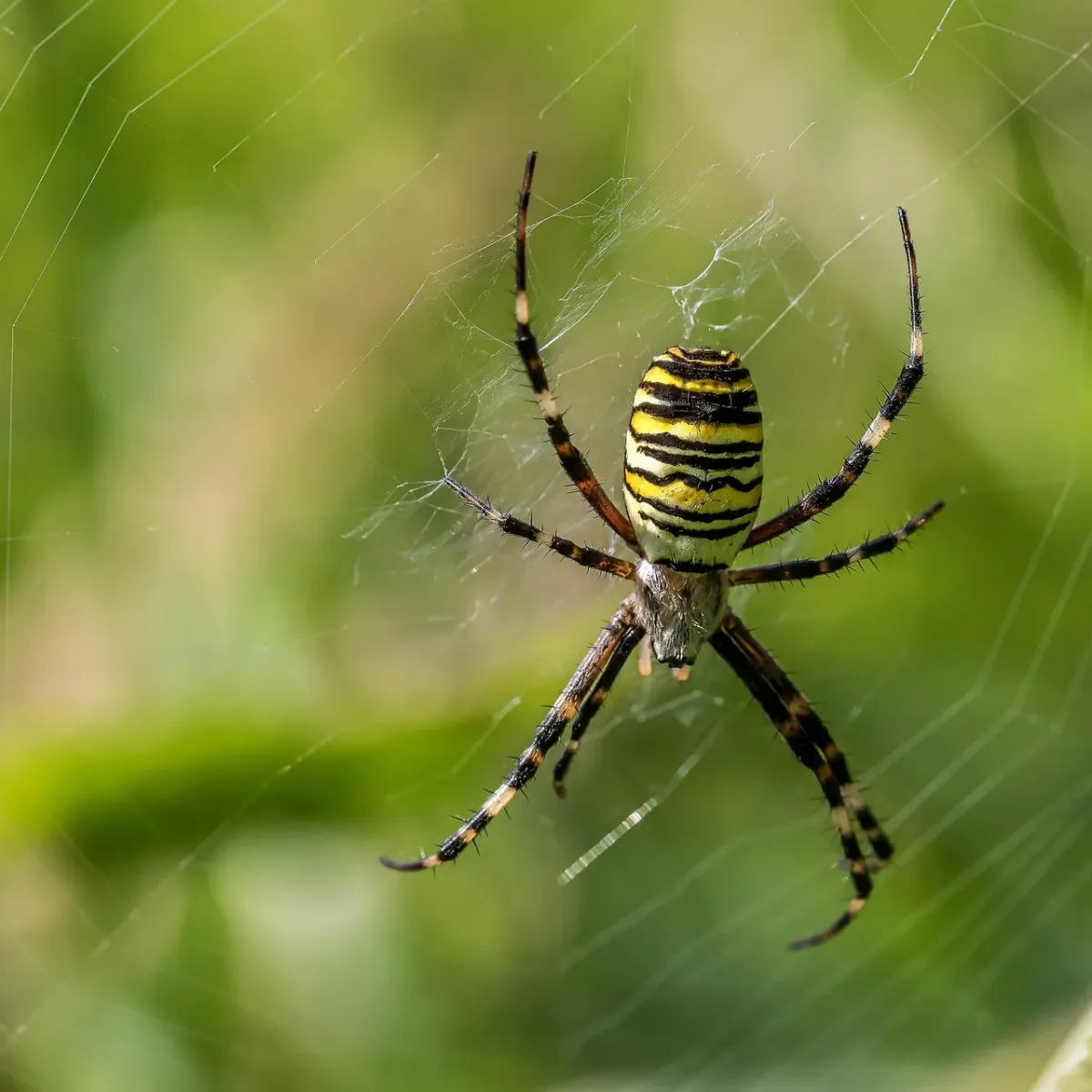
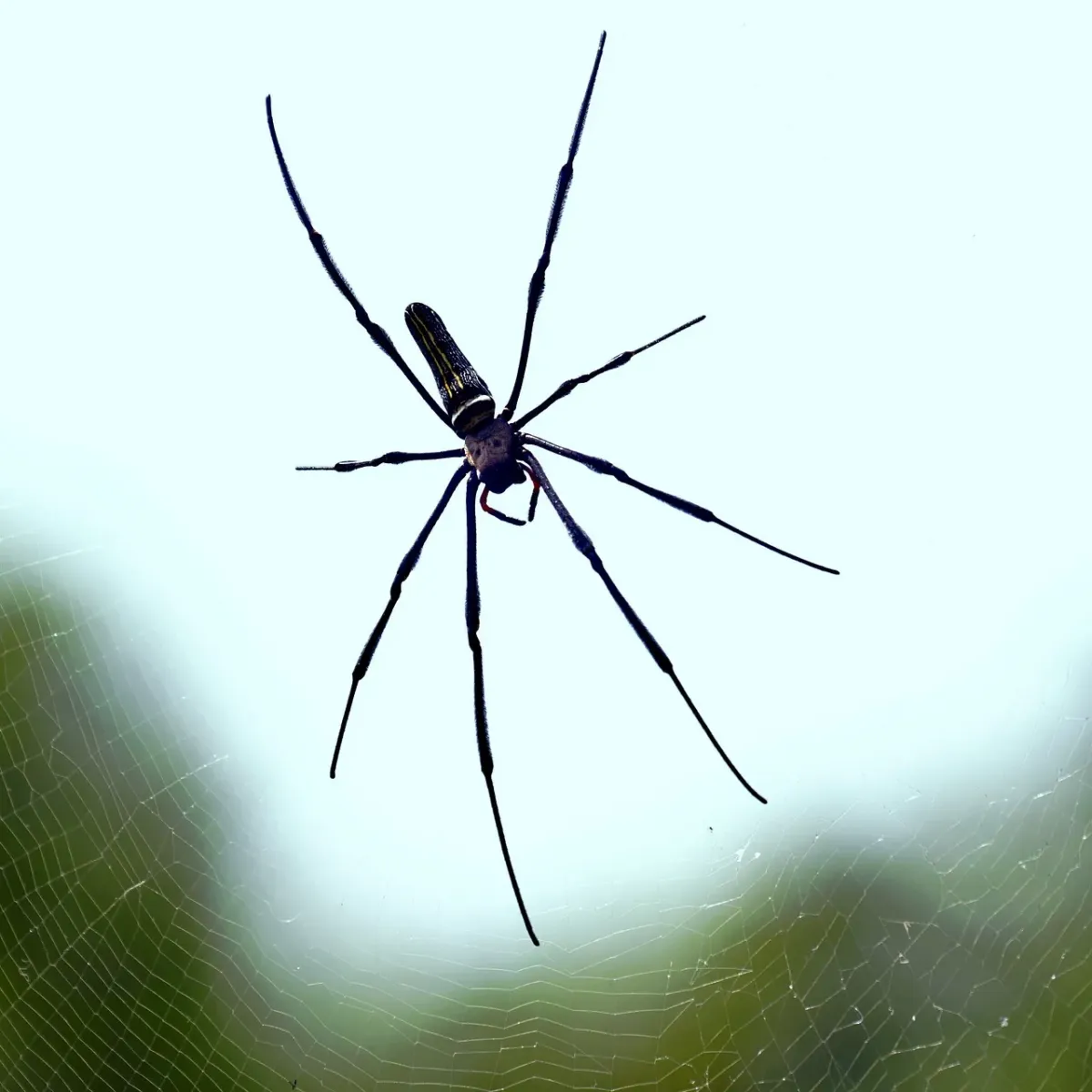
May build around porch rails, fence sections, shrubs, and patio lighting.
May turn up on trim, shutters, siding, and outdoor seating.
Should be handled cautiously if suspected around darker storage areas, stacked materials, utility boxes, or low-traffic structures.
Should be addressed carefully through inspection rather than guessing.
Spider infestations often reveal themselves one side at a time.
In Monrovia, one of the clearest signs is that the same side of the home keeps becoming active. The back or side porch catches webs again. The nearest garage edge does the same. Another spider appears in a lower room or closet on that same side of the house.
There may also be subtler warnings. Egg sacs behind bins, dead insects in webbing near outside fixtures, shed skins in utility corners, and activity returning after DIY treatment all suggest the issue has had time to settle in.
When outside webbing and indoor sightings start lining up in the same section of the home, the route is usually already established. That is when a broader control plan becomes much more useful.
Spiders enter where neighborhood edges meet quiet access points.
Monrovia homes can attract spiders because the outside edge often stays useful for insects. Side-yard shade, landscaping, nearby open spaces, porch lights, garage trim, and lower-use corners of the lot can all keep prey close to the structure.
The ways inside are usually ordinary. Garage seals, side-door sweeps, lower windows, utility penetrations, torn screens, crawl space vents, and narrow trim gaps can all provide a path once spiders are already nearby.
The pattern usually shifts through the seasons. Summer often keeps the issue concentrated outside near patios, lights, and garage fronts. Fall tends to send more movement toward closets, storage sections, lower rooms, and utility spaces where the shelter feels steadier.
Spider shelter often forms where slope and storage overlap.
On Monrovia properties, spiders often hide in the spots where the home feels quietest. Garage shelving, patio furniture, utility rooms, under-stair sections, closet shelves, attic corners, porch ceilings, and lower storage areas all provide dependable cover.
Outside, they may settle in fence corners, roof eaves, shrubs near siding, foundation seams, stacked materials, grill covers, mailbox posts, and the side of the home that gets less activity.
Inside, spiders usually prefer spaces that are organized enough to be ignored. Low disturbance matters more to them than clutter does.
A better spider plan starts with the property-facing side.
We inspect the parts of the Monrovia property most likely to explain the spider pattern, including porches, garages, visible web sites, patio areas, lower rooms, likely entry points, storage spaces, and the quieter outside edges of the lot.
Treatment may include targeted applications, exterior perimeter work, web removal, visible egg sac removal, crack-and-crevice treatment, residual materials, and interior spot treatment where spiders are already appearing.
Prevention recommendations may include sealing narrow gaps, improving storage layout, trimming vegetation, repairing screens, replacing worn sweeps, and reducing insect-heavy lighting around active exterior sections.
Because spider issues in Monrovia often return to the same outside-facing corners and nearby indoor spaces, follow-up helps keep those trouble spots from rebuilding after service.
Monrovia spider activity follows neighborhood edge and season.
Spring usually brings outside webbing back to porch fixtures, fences, shrubs, garage fronts, and patio corners as insect activity begins increasing around the property.
Summer often makes the spider issue most visible. Warm evenings keep lights, patios, garages, and quieter side-yard edges active for web-building spiders.
Fall usually shifts the problem inward. Storage rooms, closets, lower-use spaces, and utility corners begin seeing more spider movement as exposed outdoor shelter becomes less dependable. Winter may reduce visible outside webs, but protected indoor areas can still remain active.
DIY sprays usually miss the route behind the repeat spots.
DIY treatments usually go straight to the web or spider that got noticed last. That may help briefly, but it often leaves behind the hidden egg sac, the insect-heavy outside light, and the protected garage or storage edge that is still supporting the problem.
That is why the same few sections of the property often become active again. The symptom was addressed, but the route stayed open.
Professional spider control works better because it treats the pattern across the connected outside and inside spaces instead of reacting only to the latest sign.
Prevention helps when side-yard shelter stops staying useful.
Monrovia homeowners can help by clearing webs from porch lights and patio corners, keeping garage and closet storage easier to inspect, moving stacked items away from walls, and checking the quieter side of the property more often.
It also helps to repair torn screens, seal narrow gaps, replace worn sweeps, trim shrubs back from siding, and keep exterior lights from becoming steady insect magnets around entries.
Spider prevention works best when the same sheltered side of the property stops giving spiders easy places to rebuild.
Spider treatment should fit homes near open neighborhood edges.
TDI Green Services uses licensed technicians and focused spider treatments designed around where activity is actually happening. That makes the service practical for Monrovia homes where porches, garages, patios, storage spaces, and lower rooms all still need to work as part of normal household life.
Families and pets continue using those spaces every day. Spider control should reduce the nuisance without making the home harder to use.
That is why treatment stays centered on the strongest activity zones instead of treating every section of the property like it has the same level of pressure.
Local Monrovia layout knowledge improves spider control results.
TDI Green Services serves Monrovia through its Huntsville location and understands that west-county neighborhood growth, open-space edges, garages, patios, and storage-heavy layouts create a very specific spider-control pattern. Homes here often sit between structured subdivisions and quieter outside sections of land, which strongly affects where spider activity builds first.
A Monrovia spider issue often starts on the outside-facing side of the property and then works inward toward storage and lower-use spaces. Treating only the latest sighting usually misses that route.
TDI Green Services approaches spider control with that local property understanding in mind, helping homeowners reduce repeated webs and sightings where the issue is actually starting.
Monrovia homeowners usually ask about patios and garage corners.
Book spider control in Monrovia with TDI Green Services if patios, garage edges, porch lights, or lower-use rooms keep producing the same spider issues. Schedule a visit and let us track the route behind the webs instead of leaving you to keep reacting to them. When the right corners are treated early, the whole property usually feels much more under control.