Meridianville lawns need rhythm, not guesses
A lawn in Meridianville can drift off course slowly. It may start with color that never quite holds, a few weeds spreading where the grass looks weak, or a section that dries out faster than the rest of the yard. Then one stressful stretch of weather hits, and the lawn feels like it needs more work than it should.
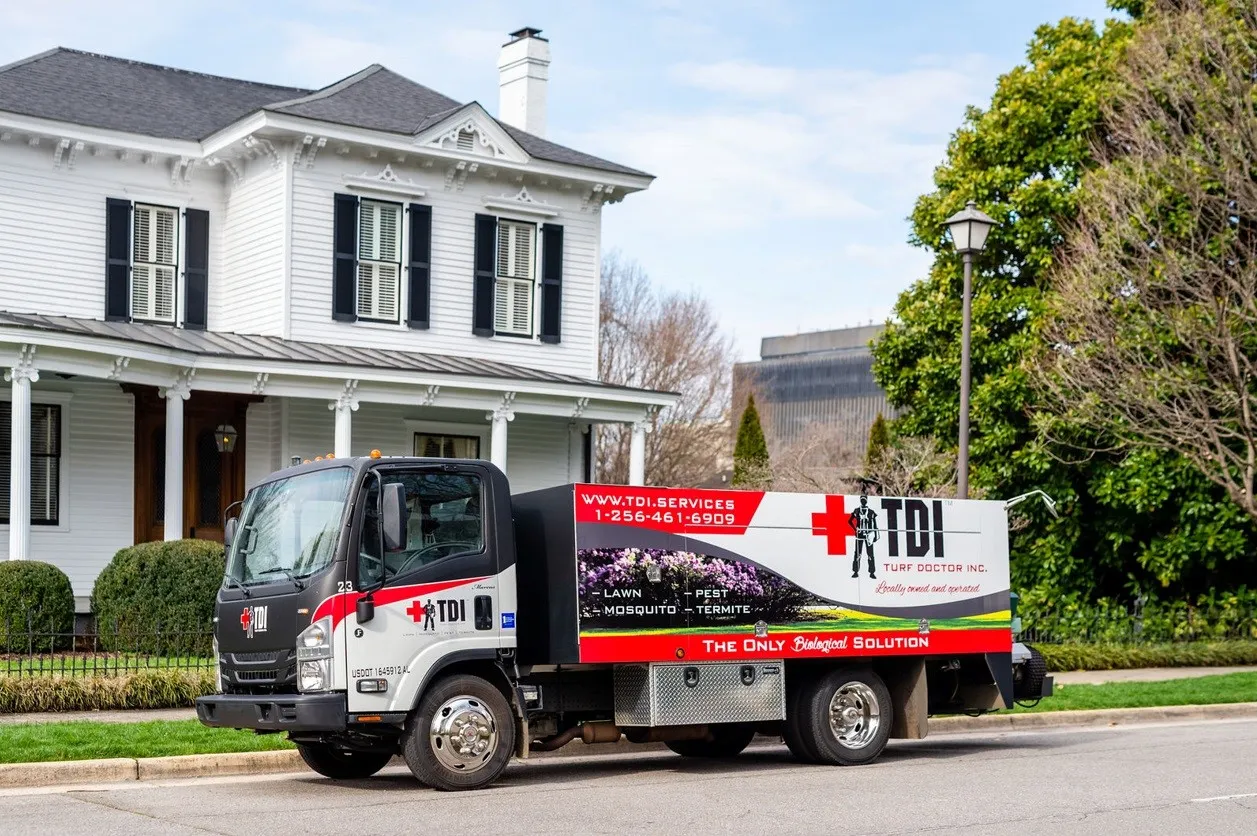
TDI Green Services provides lawn care in Meridianville with a biological approach built around healthier turf, better growing conditions, and service that responds to what your yard is actually doing. Instead of pushing one generic program, we look at how the lawn is growing, where it is struggling, and what kind of support will make the biggest difference through the season.
Healthy roots shape every green season
A lawn care plan works better when it matches the property instead of copying what worked somewhere else. Some Meridianville lawns need help opening compacted soil. Others need stronger weed prevention, better turf density, or more support after summer stress. Our job is to sort out what matters most and build from there.
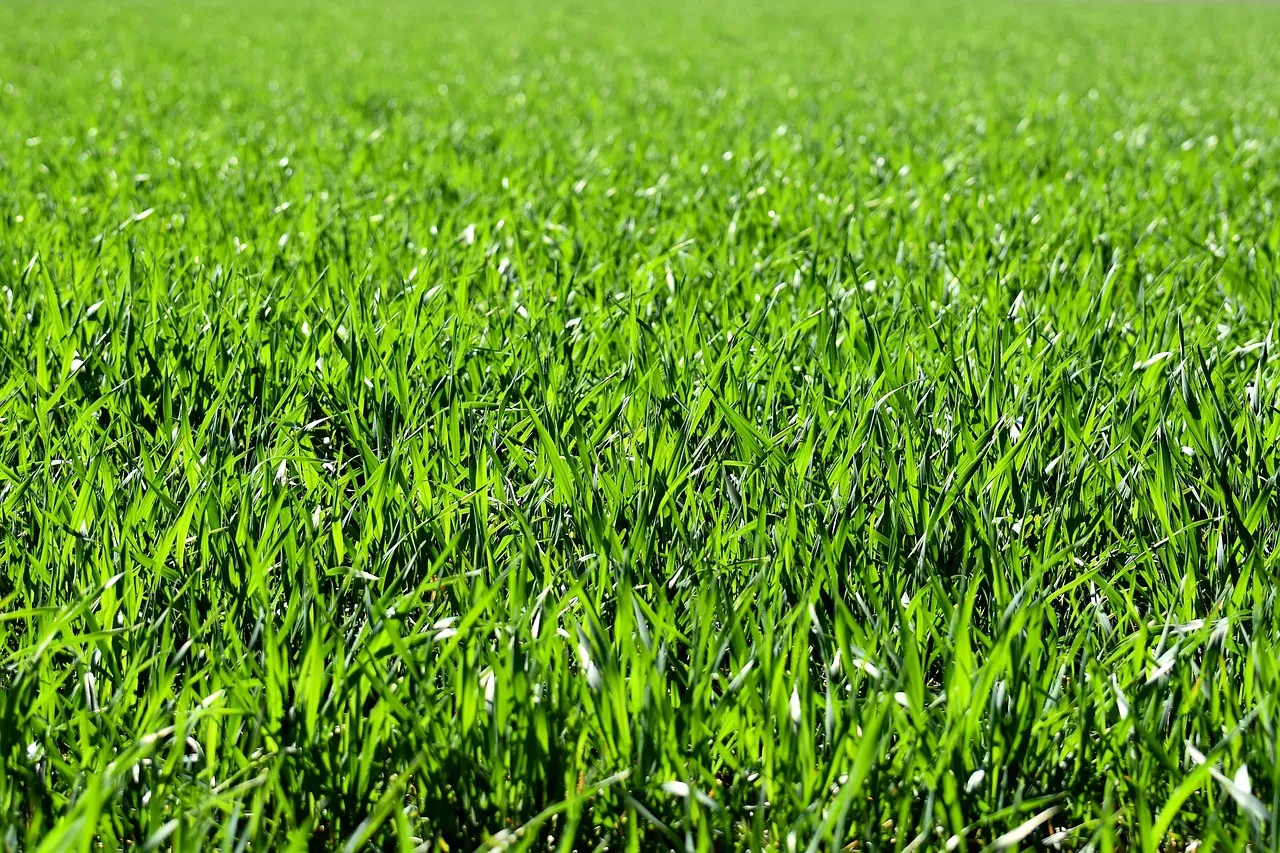
Good lawn color is only part of the picture. Fertilization also helps support density, root strength, and more even growth through the season. TDI’s biological lawn care approach focuses on creating better conditions for the turf over time rather than chasing short-lived results.
That matters in Meridianville, where lawns can look strong for a few weeks and then quickly lose momentum when heat, foot traffic, or inconsistent moisture start taking a toll.
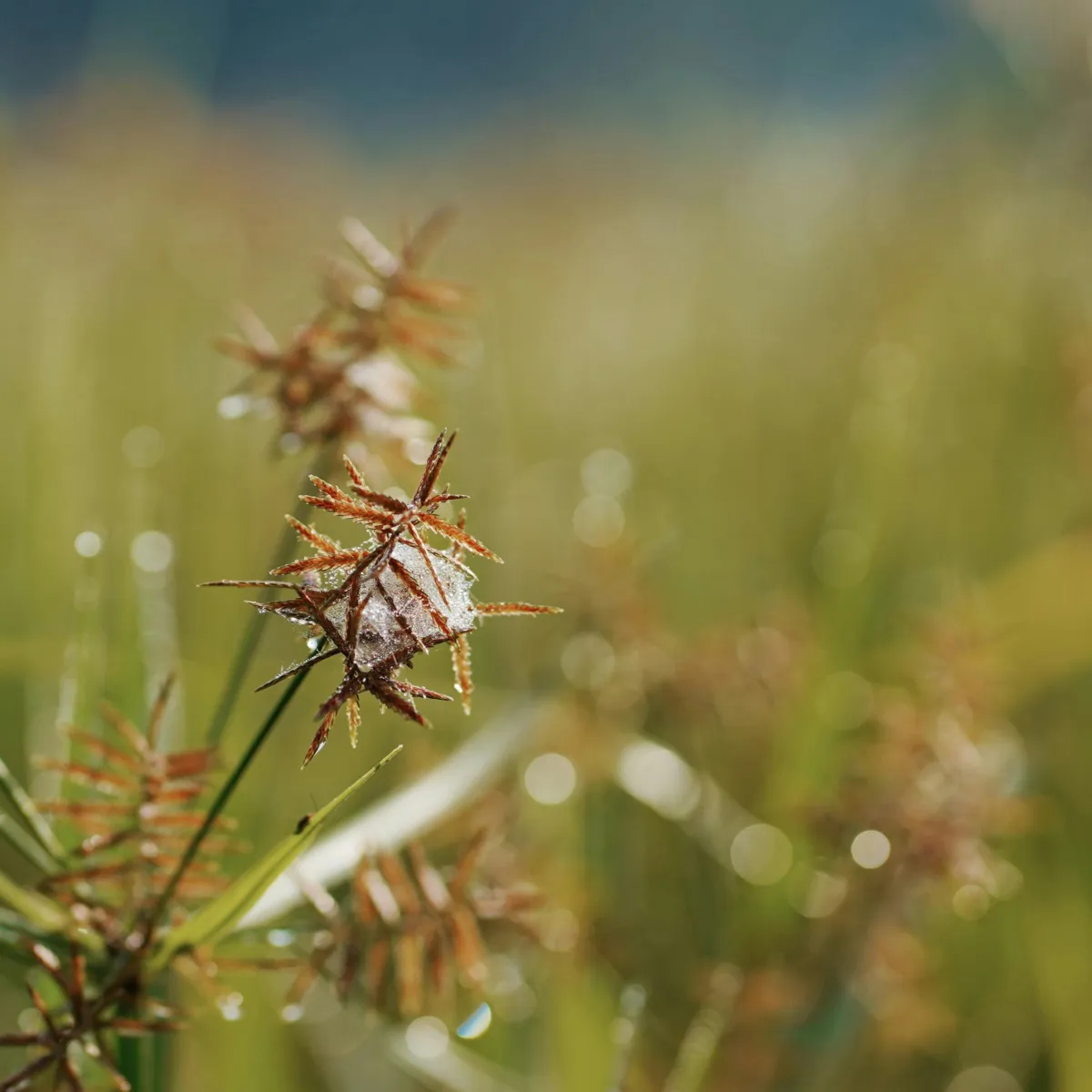
Weeds usually find the weaker parts of the yard first. Once they gain room, they spread quickly. Crabgrass, clover, dandelion, and nutsedge are all common problems in North Alabama lawns, especially where grass is already thin or stressed.
Our weed control service helps reduce that pressure while giving the lawn a better chance to grow tighter and compete more naturally.
A lawn can only improve so much if the soil underneath it stays tight and closed off. Core aeration opens that space so water, oxygen, and nutrients can move more easily to the roots.
Overseeding can then help improve thickness, soften worn-looking sections, and make the lawn feel more complete again. It is often one of the clearest ways to help a yard look less patchy without starting over.
Not all turf decline is obvious from above. Lawn insects can create damage below the surface or weaken grass blades before the problem is easy to identify. Grubs, chinch bugs, armyworms, and similar pests can all affect how the lawn responds.
When those pests are addressed early, the lawn usually has a better chance to hold its progress instead of sliding backward.
Some lawns struggle because the soil is not balanced well enough for nutrients to work as expected. When that becomes part of the issue, lime may help improve the growing environment and make other lawn treatments more effective.
Lawn service should feel straightforward always
The process starts with a conversation about what you are seeing in the yard, whether that means weeds, thinning grass, uneven color, or areas that never seem to improve.
We assess the turf, look at the likely causes behind the issue, and consider the season and the condition of the lawn as a whole.
From fertilization to aeration to pest and weed support, we recommend the combination of services that fits your lawn best.
Treatments are completed with attention to turf condition, timing, and how the lawn is likely to respond.
As the yard changes through the year, we help keep the lawn moving toward stronger, steadier growth instead of slipping back into the same problems.
Grass type affects every care decision
Meridianville lawns usually do best with grasses that can handle long warm periods, full sun, and humid summer conditions. That is why warm-season grasses are common across this part of North Alabama.
Bermuda is a strong choice for sunny lawns that see regular use and need good recovery. Zoysia works well for homeowners who want a dense, refined lawn that can handle heat while maintaining a polished appearance. In more shaded parts of a property, tall fescue may still be present, but it typically needs more careful support through hotter months.
The best choice depends on how much sunlight the lawn gets, how the soil drains, and how the yard is used during the week.
Seasonal timing changes lawn care outcomes
A lawn in Meridianville does not need the same kind of attention year-round. The strongest results usually come from doing the right work in the right season instead of treating the yard the same way month after month.
Spring is a good time to get ahead of weed pressure, encourage healthier early growth, and identify areas of the lawn that need more support before summer stress builds.
Summer puts lawns under pressure quickly. Watering needs to stay deeper and more consistent, weed activity needs closer attention, and lawn pests can become more damaging if they are ignored too long.
Fall is often the best season to help the lawn recover and rebuild. Aeration, overseeding, and steady nutrient support can help improve density after a hard summer.
Winter is quieter, but it still matters. Dormant turf benefits from less traffic, and it is a useful time to plan smarter spring treatments based on where the lawn struggled the year before.
Most lawn issues do not stay small on their own. A patch of weeds, an area of thinning turf, or a section that lags behind the rest of the lawn can become more noticeable much faster than homeowners expect.
Grubs, armyworms, chinch bugs, and sod webworms are all pests that can affect turf in this region. Some target roots, while others damage the grass from above. Either way, the lawn often ends up thin, uneven, or slower to recover.
Crabgrass, dandelion, clover, and nutsedge are common lawn weeds in Meridianville. They usually take advantage of stress, bare spots, and weak turf coverage, which is why weed control and lawn health have to work together.
North Alabama conditions test weak turf
Meridianville lawns deal with warm summers, humidity, fast seasonal growth, and soil conditions that can vary from one property to the next. Those local conditions can support thick turf, but they also expose weaknesses quickly when the lawn is not getting the right care.
A strong lawn plan in Meridianville usually depends on timing, turf density, root support, and treatments that respond to the season instead of working against it.
Better programs start with local observation
TDI Green Services takes a biological approach to lawn care because healthier lawns usually come from stronger growing conditions, not from quick fixes alone. That approach fits Meridianville properties well, especially when the yard needs long-term improvement rather than a short burst of color.
Homeowners here want a lawn that feels dependable, looks fuller, and responds better to the season. TDI helps make that happen with local awareness, practical recommendations, and service built around what the lawn actually needs.
Clear answers help stressed lawns recover
If your yard has started looking tired, uneven, or harder to manage than it used to, there is usually a reason behind it. TDI Green Services helps Meridianville homeowners sort through what the lawn needs and build a plan that supports stronger turf through every part of the season. Request your quote today and give your lawn a smarter path forward.