Get your lawn back on track with 50% OFF first application!* 50% OFF First Application!* Call Now

Creekside shade helps spiders stay hidden.

Spider Control Services in Chase, AL

In Chase, spider problems often build around the edges of the property first. A few webs under the porch roof, another cluster near the garage door track, and then the same activity starts turning up around patio furniture, storage bins, and indoor corners that never seem to stay clear. TDI Green Services provides spider control in Chase, Alabama with targeted treatments that help reduce active spider pressure, clear away webs, and make the property less inviting to repeat activity.

Get ready for summer with our limited time offer!

Enjoy your yard this summer by treating mosquitos early in the season. Schedule your service today!

Only $39.95 for your first service

Get a Quote

Evening lights keep prey close by.

Spider Control for Chase Homes and Properties

Spider issues in open yards and shaded corners

Chase properties often combine open yard space with wooded edges, creek-adjacent moisture, and exterior lighting that keeps insects active well into the evening. That mix makes it easier for spiders to build around porches, eaves, garages, sheds, and lower-traffic rooms inside the home. A web problem outside can quietly turn into recurring sightings near utility spaces, closets, or garage storage before most homeowners realize how established it has become.

Professional spider control matters because the issue is rarely just the spiders you happen to notice. Activity usually grows around insect pressure, hidden entry points, and sheltered nesting areas that store-bought products fail to reach consistently. Our licensed technicians inspect those contributing conditions, treat the places where spider activity is strongest, and help create a prevention-minded plan built for long-term results.

Methodical treatment beats random spray attempts.

Our Spider Control Process

Inspection

We start by identifying where spider activity is building and which conditions are helping it continue. That includes web concentrations, likely entry points, insect pressure, moisture-prone areas, and hidden nesting zones.

Treatment

Once the active areas are clear, we apply targeted treatment where spiders are living and moving. Depending on the property, that may include perimeter applications, crack and crevice treatment, web removal, egg sac removal, and focused interior spot treatment.

Prevention

After current activity is addressed, we focus on reducing the conditions that keep drawing spiders back. That may include recommendations around exclusion, reducing clutter, trimming vegetation, and cutting back the insect activity spiders rely on.

Monitoring

Spider pressure shifts with weather, season, and surrounding pest activity, so ongoing observation matters. Follow-up visits and recurring service can help keep new spider activity from quietly rebuilding over time.

Different spiders favor different hiding places.

Common Spiders Found in Chase and North Alabama

Wolf spiders

Wolf spiders are large hunting spiders that move quickly across floors, garage slabs, and threshold areas instead of waiting in a web. They are typically nuisance spiders rather than a major medical concern, but their size makes them one of the most unsettling spider sightings for homeowners. In Chase, they often show up in garages, workshops, sheds, and basement-like utility spaces where insects stay active.

House spiders

House spiders are common web builders that prefer window corners, ceiling lines, closets, and less-used rooms. They are mostly a nuisance, but their webs can create the impression that a home is constantly collecting spiders when the same areas are left favorable.

Cellar spiders

Cellar spiders are known for loose, tangled webbing and long legs. They usually stay in garages, utility rooms, storage areas, and protected corners where there is little daily disturbance. They are not usually dangerous, but they can produce a surprising amount of webbing in a short time.

Black widows

Black widows are a higher-concern species because their bite may require medical attention. They often stay in dark protected areas such as wood piles, equipment corners, sheds, outdoor storage, and underneath furniture that stays undisturbed. Even limited activity deserves careful identification and treatment.

Brown recluses

Brown recluse concerns matter because these spiders prefer hidden indoor shelter and are often difficult to detect early. They may stay inside cardboard boxes, stored clothes, closet edges, or tucked-away storage areas. Because many brown spiders are mistaken for recluses, professional identification is important before drawing conclusions.

Jumping spiders

Jumping spiders are active hunters often seen near trim, windows, and sunlit siding. They are usually more startling than dangerous, but repeated sightings can still point to steady insect activity around the home.

Orb weavers

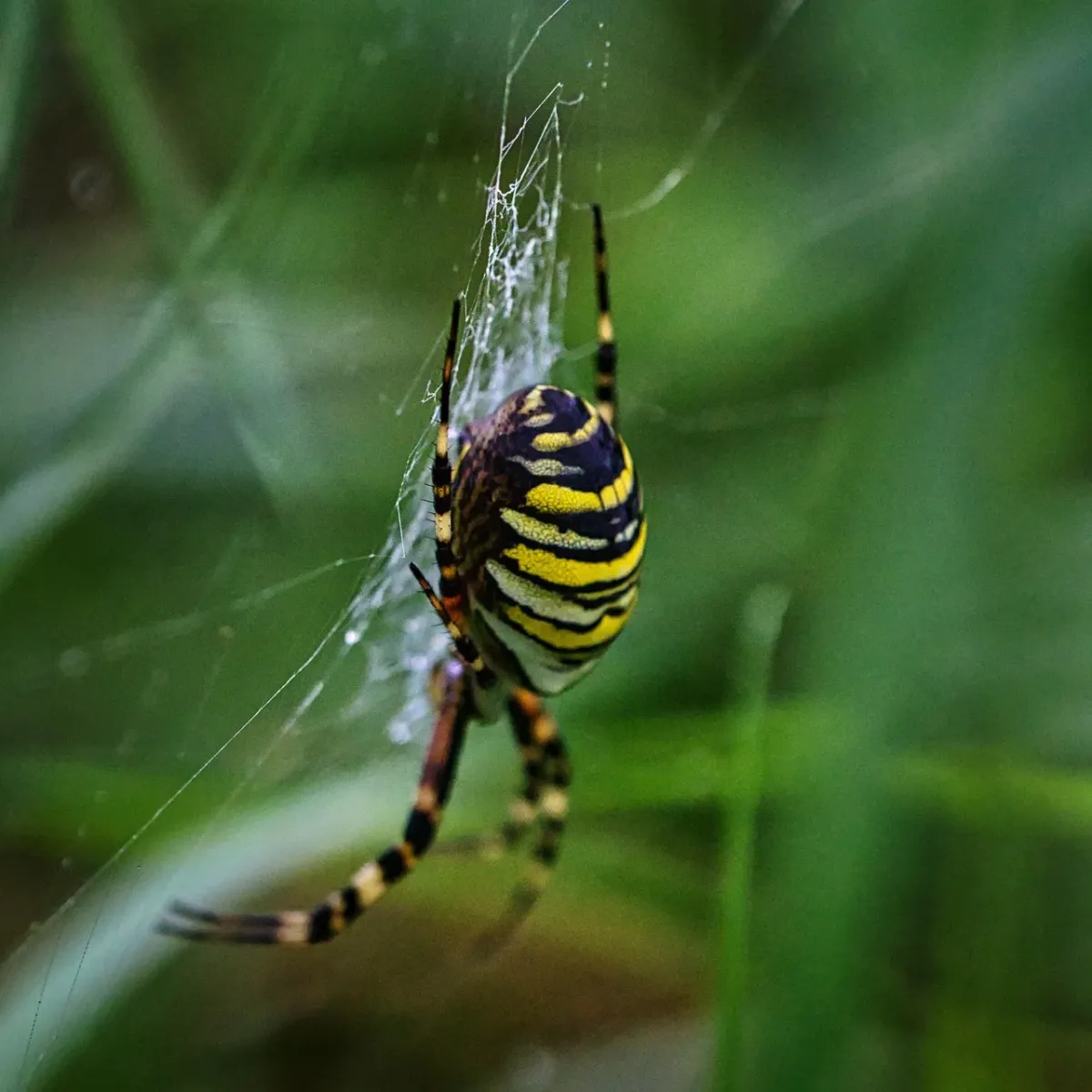
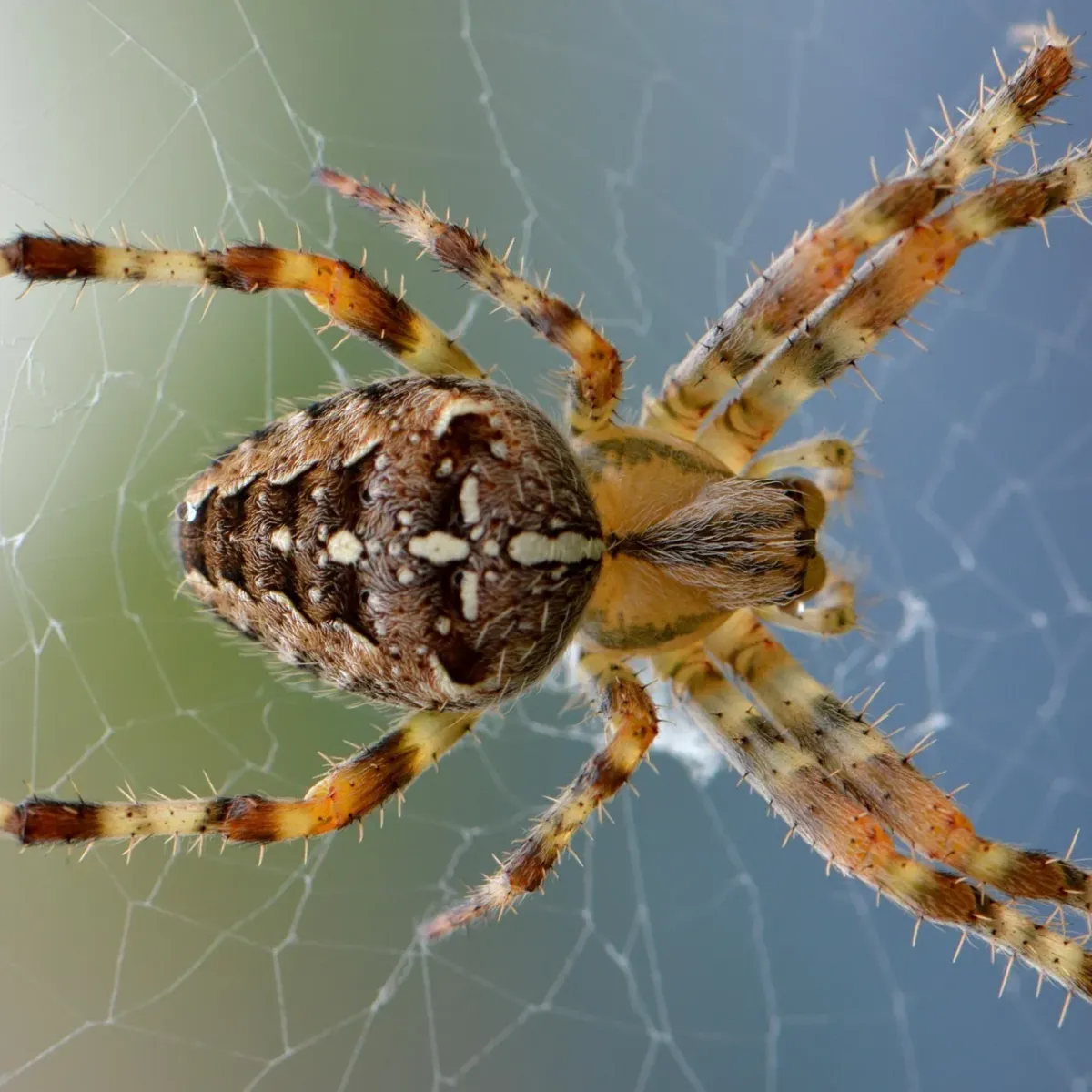
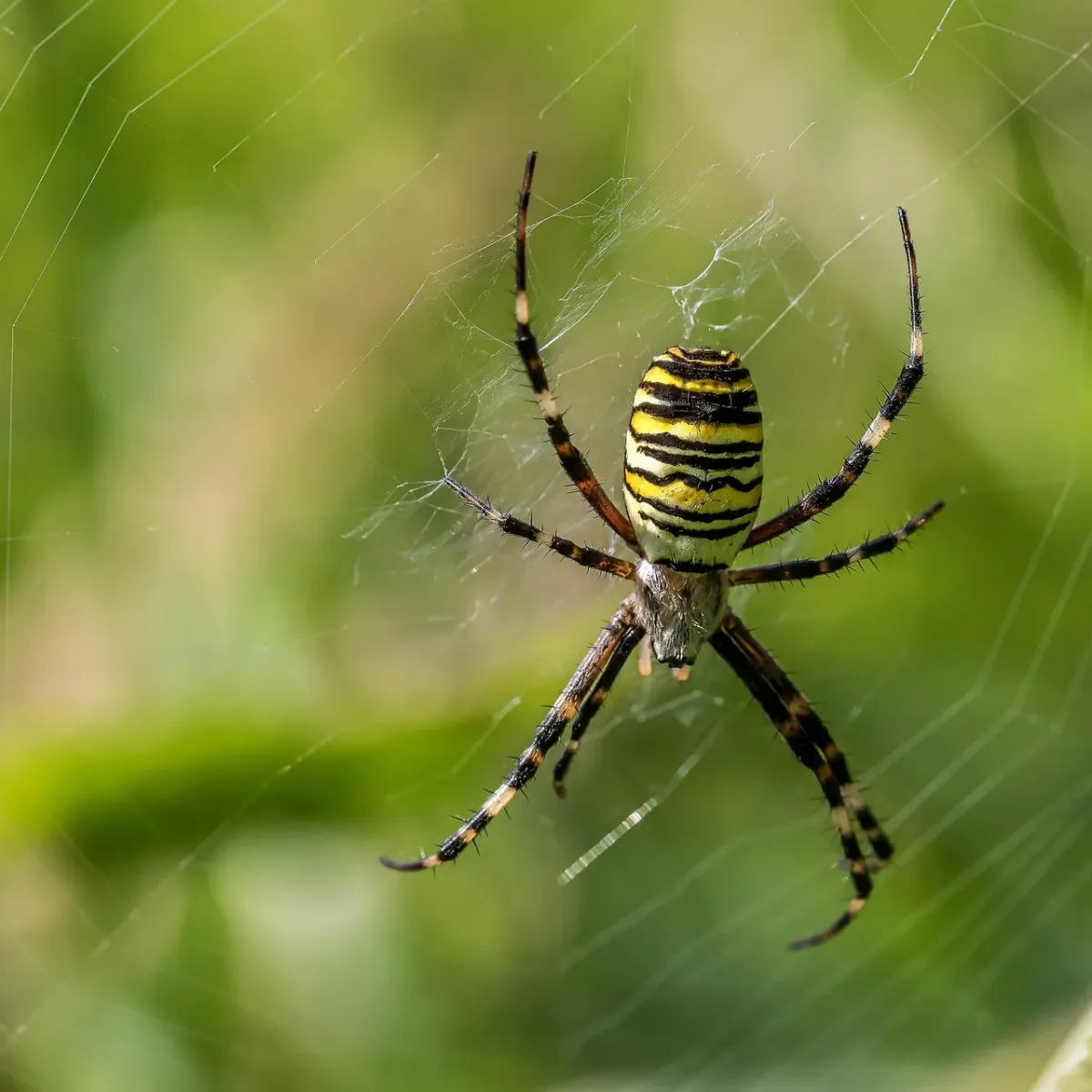
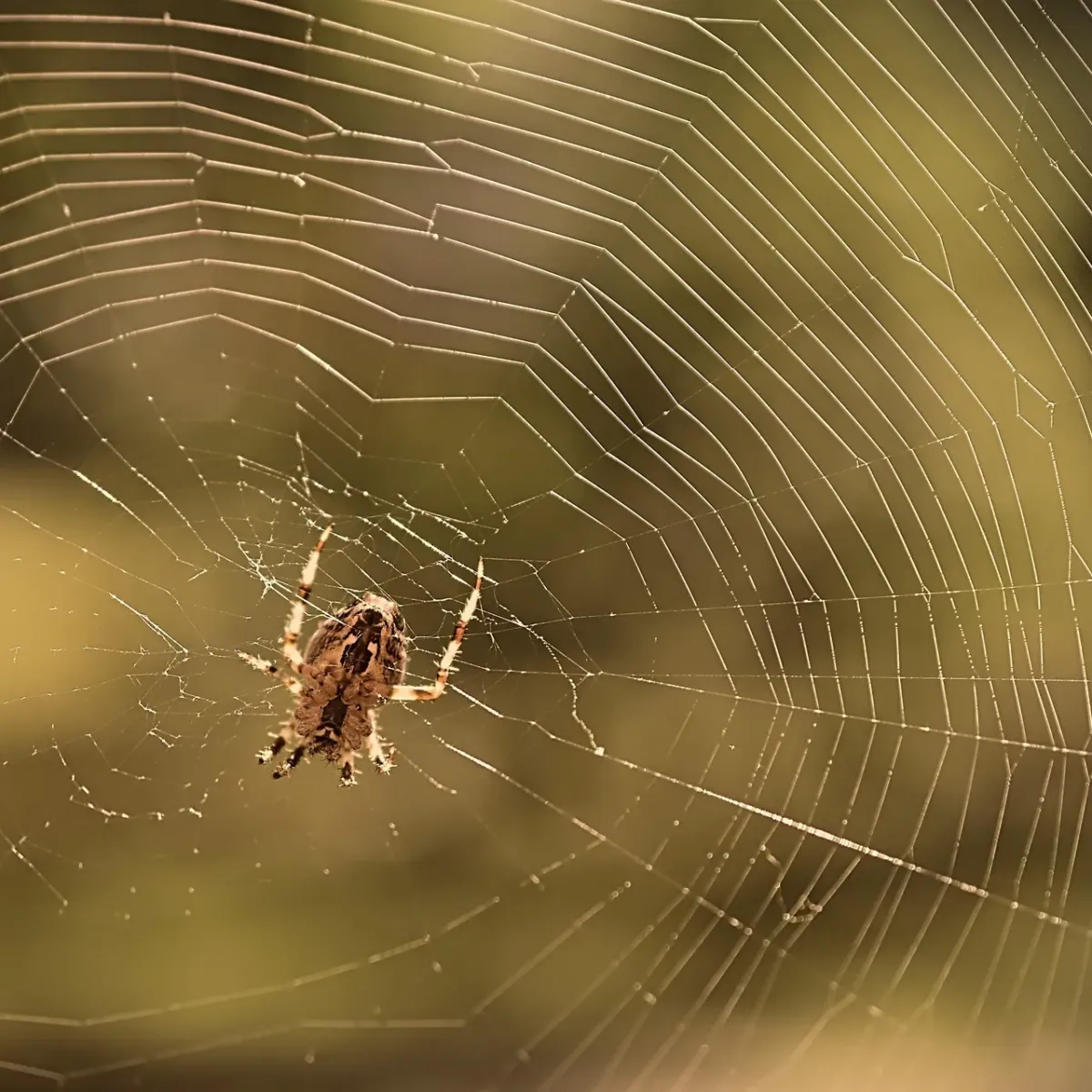
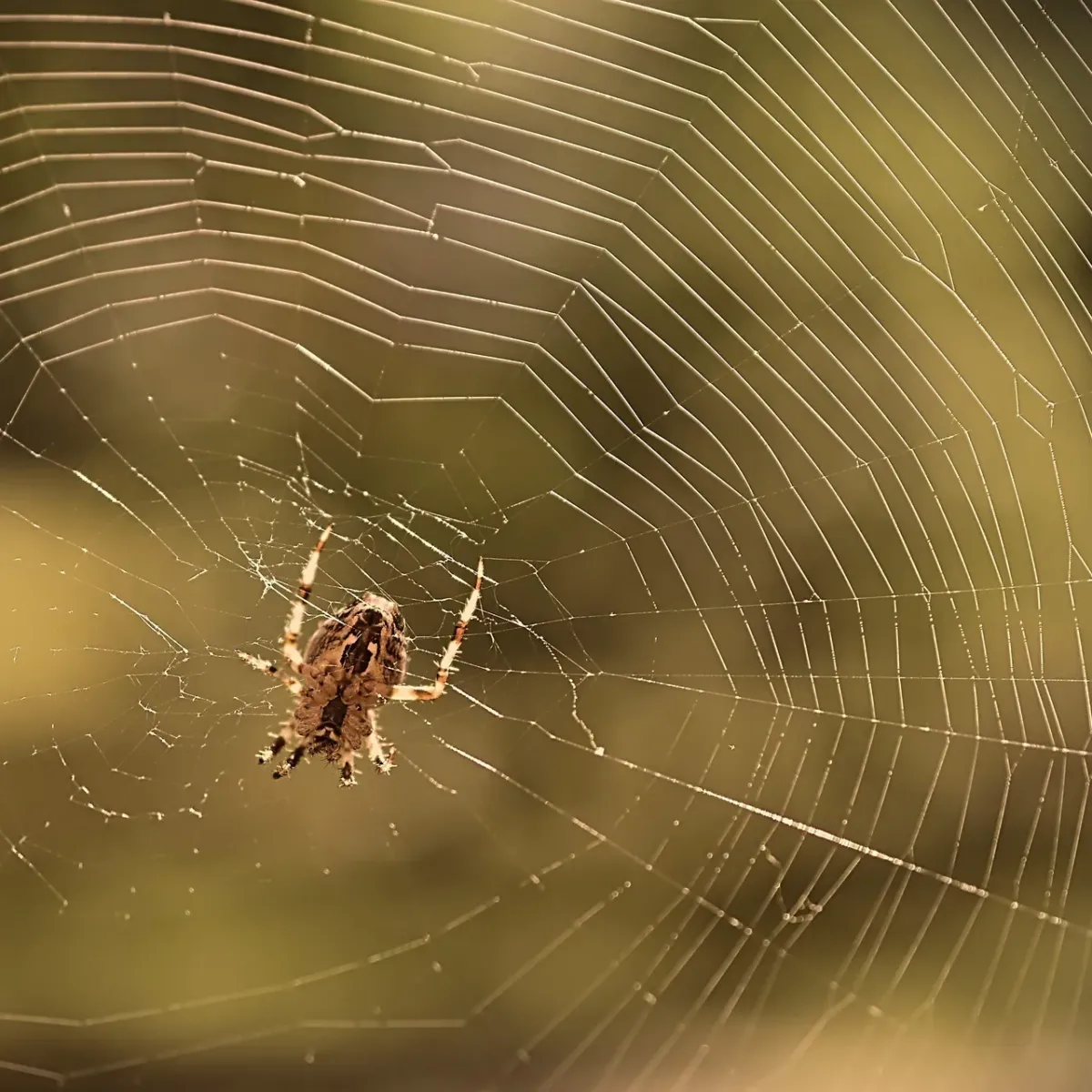
Orb weavers are outdoor spiders known for organized circular webs near railings, shrubs, porch lights, and patio edges. They are usually a nuisance rather than a danger, but their webs can take over the exterior spaces homeowners use most often in the evening.

Recurring webs usually signal active pressure.

Signs of a Spider Infestation

Spider infestations often reveal themselves through patterns instead of one major moment. Webs return soon after they are brushed down. The same porch beam, garage corner, or bathroom edge keeps attracting activity. Egg sacs show up under outdoor furniture, in stored materials, or along trim. Dead insects collect in webbing near lights, eaves, and windows. Homeowners may also notice shed skins or continued sightings after aerosol sprays have already been tried. When those signs keep repeating, spider pressure is usually more established than it first appears.

Insects and shelter draw spiders indoors.

Why Spiders Enter Homes

Spiders move toward homes because the structure gives them food, shelter, and protected places to remain hidden. In Chase, that often means insects gathering near evening lighting, moisture lingering around shaded edges, vegetation touching the structure, and small openings around doors, windows, vents, or foundations. Rain can push spiders toward covered areas, hot weather can keep outside insect pressure high, and cooler seasonal changes can make indoor shelter more attractive.

Storage clutter creates dependable spider cover.

Where Do Spiders Hide

Spiders are most likely to hide in the places homeowners check least often. Common hiding areas include attics, garages, closets, utility rooms, storage bins, under furniture, behind shelving, around roof eaves, beneath decks, inside sheds, near stacked lumber or wood, and along foundation gaps. Protected corners in outbuildings and garages can be especially attractive because they combine shelter with low disturbance.

Seasonal shifts change spider movement indoors.

Spider Activity in North Alabama

Spring

Spring usually brings more visible spider activity because insect populations begin increasing around lights, shrubs, porches, and windows.

Summer

Summer often brings the most obvious exterior web pressure. Warm evenings, steady insect traffic, and sheltered trim lines make porches, patios, and garage exteriors ideal places for spiders to stay active.

Fall

Fall is one of the most common times for homeowners to notice more indoor spider movement. Garages, closets, entry points, and storage rooms often become more active as outside conditions change.

Winter

Winter does not always eliminate spider sightings. Quiet indoor spaces such as attics, garages, utility rooms, and stored corners can continue supporting activity when shelter remains stable.

DIY sprays miss hidden nesting zones.

Why Professional Spider Control Works Better Than DIY

DIY spider sprays often target only the spiders you can already see. They usually miss egg sacs, hidden nesting spaces, sheltered entry points, and the insect activity that keeps spiders on the property in the first place. Professional spider control works better because it combines inspection, targeted treatment, web removal, and prevention guidance so the larger pattern is addressed instead of only the latest web or sighting.

Small repairs discourage future spider return.

Spider Prevention Tips

Sealing gaps, replacing damaged screens, trimming vegetation away from the home, reducing stored clutter, removing webs quickly, and managing moisture can all help reduce spider pressure. It also helps to limit insect traffic near the structure by paying attention to door sweeps, outdoor lighting, and other small access points that make pest movement easier.

Careful treatments fit active family spaces.

Family & Pet-Conscious Spider Treatments

Spider control should feel precise and responsible. Our technicians apply treatments with attention to where families and pets spend time, and we provide clear guidance afterward so treated spaces can be used confidently. A targeted approach allows the service to stay focused on real pressure areas instead of relying on unnecessary broad treatment.

Local experience sharpens spider control results.

Why Choose TDI Green Services

Chase homeowners want service that reflects how their property is actually laid out and used. TDI Green Services understands how open yards, wooded edges, creekside moisture, garages, sheds, and North Alabama insect pressure influence spider activity. That local perspective helps us recommend smarter treatment strategies and provide service that feels built for the property instead of copied from a script.

Clear answers help homeowners act sooner.

Spider Control FAQs

Reclaim the Spaces Spiders Keep Choosing

If spiders keep turning up around your porch, garage, shed, or indoor storage areas, TDI Green Services can help you break that pattern with a plan built for your Chase property. We will target the shelter zones, reduce the conditions behind repeat webbing, and help make your home feel easier to stay ahead of. Reach out today to schedule spider control that solves more than the latest sighting.