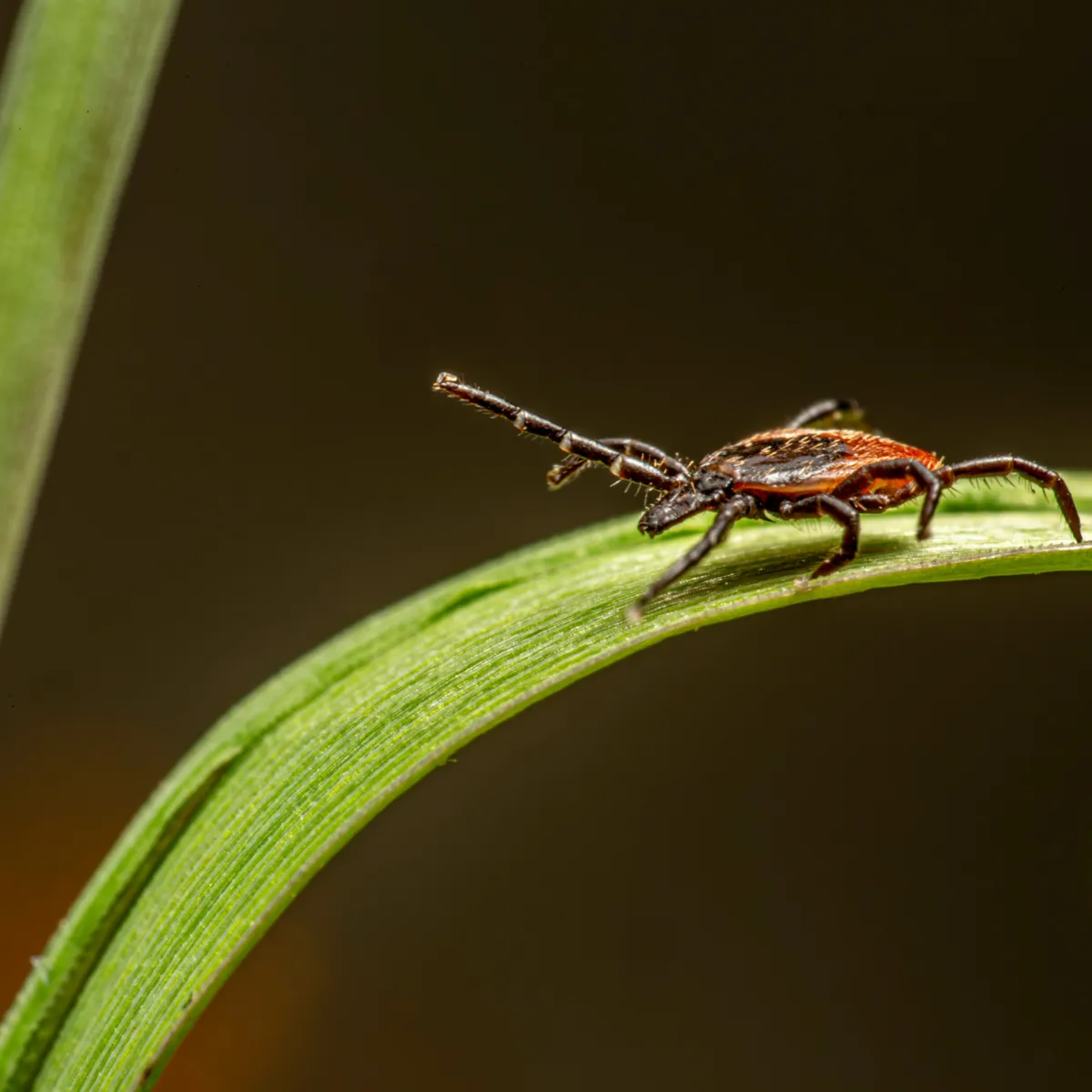
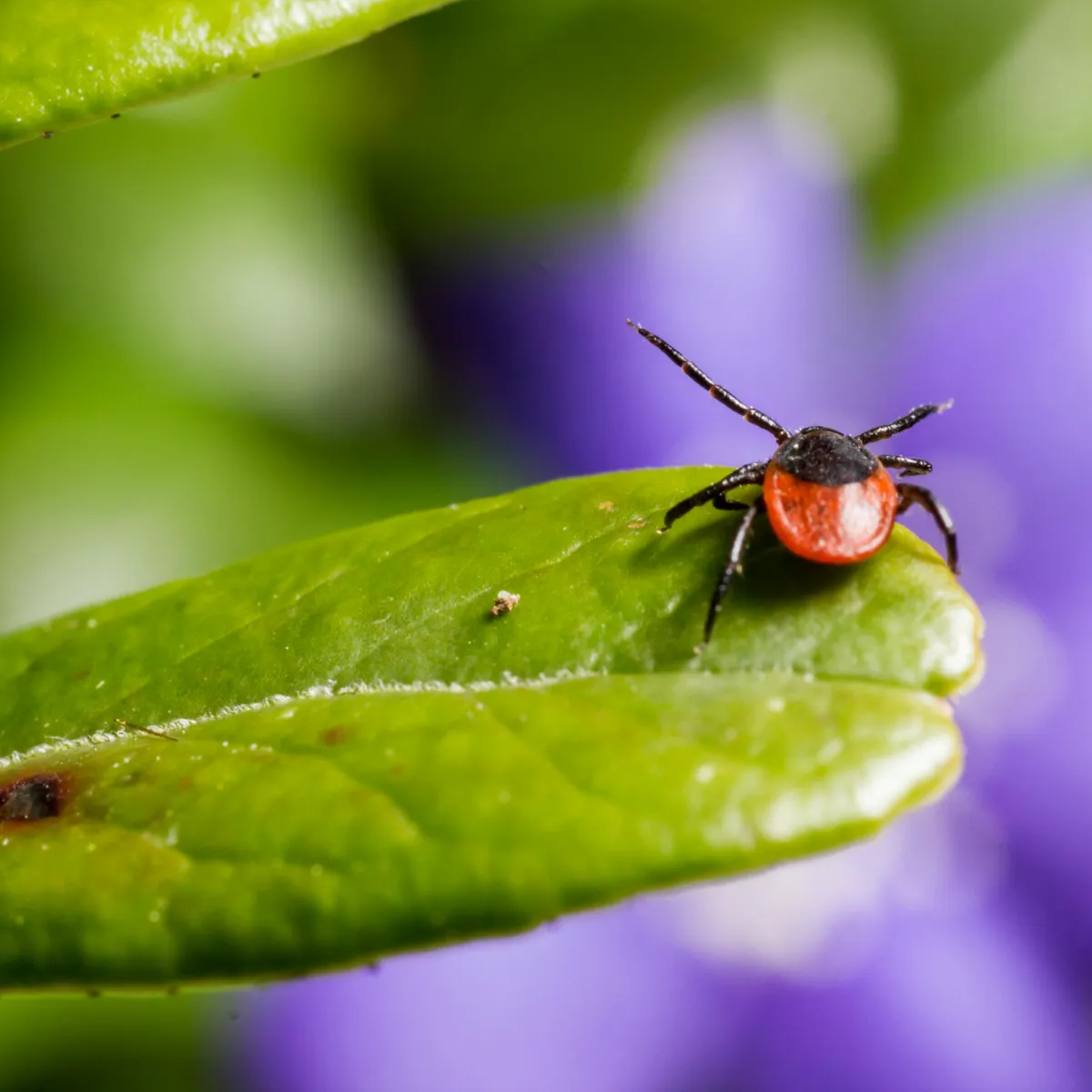
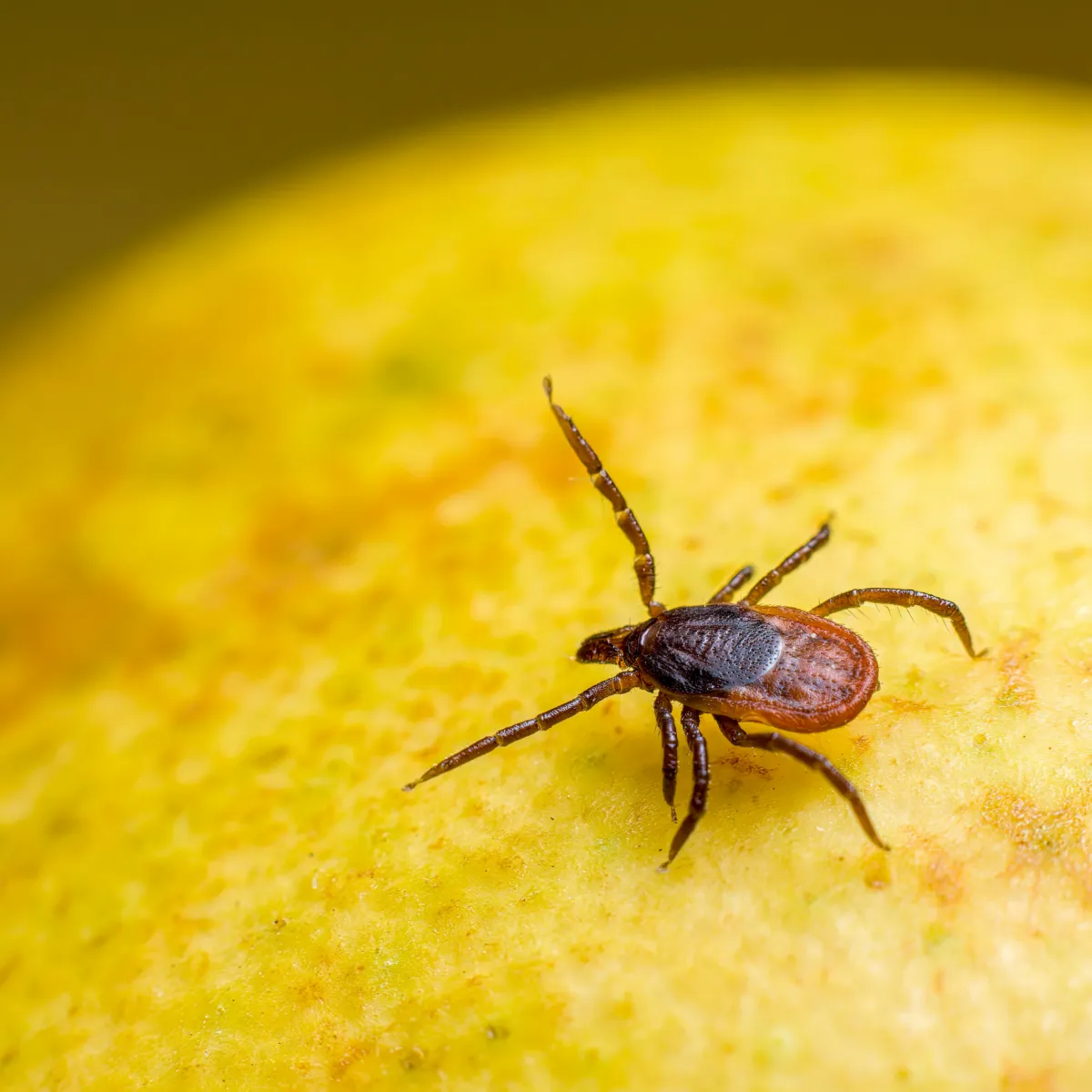
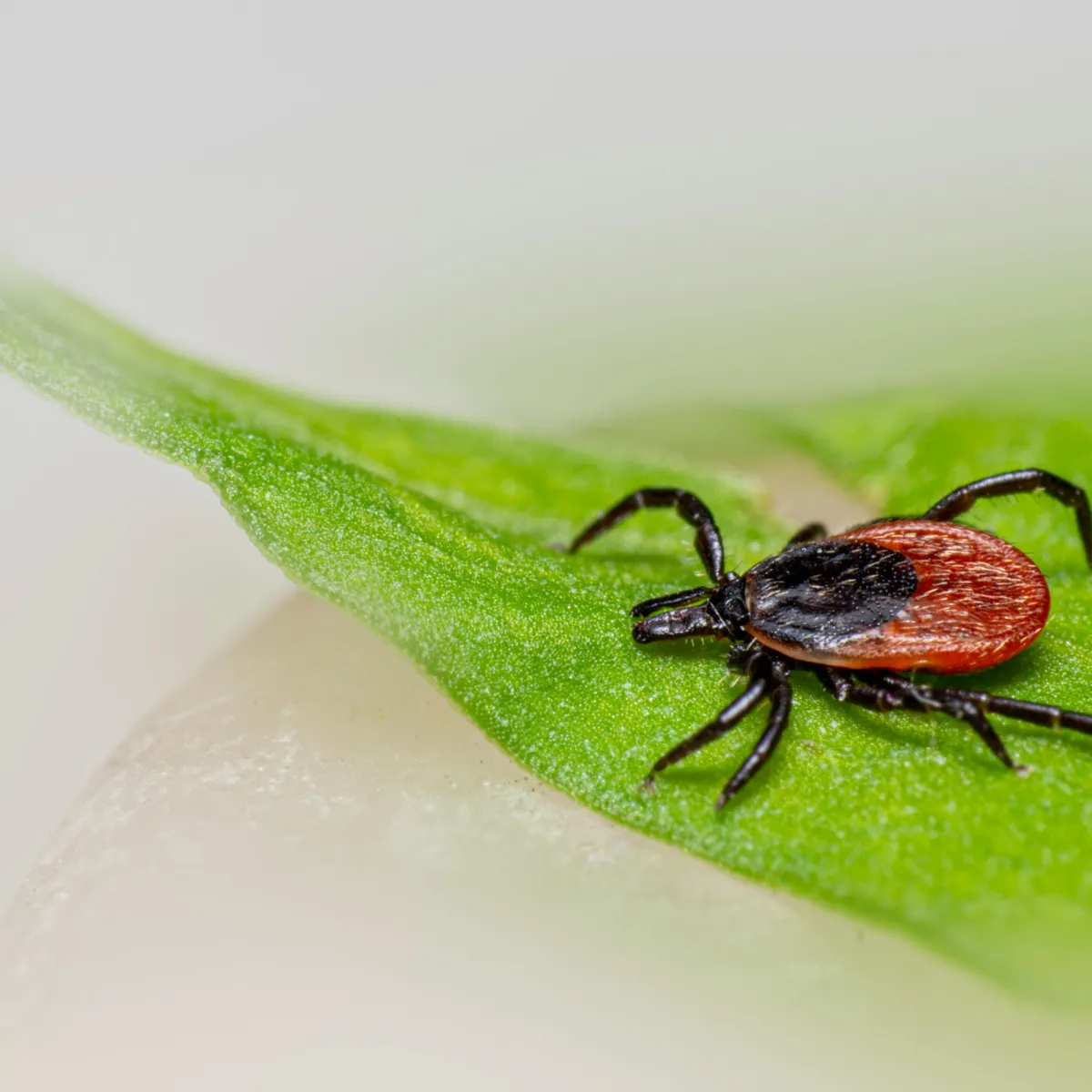
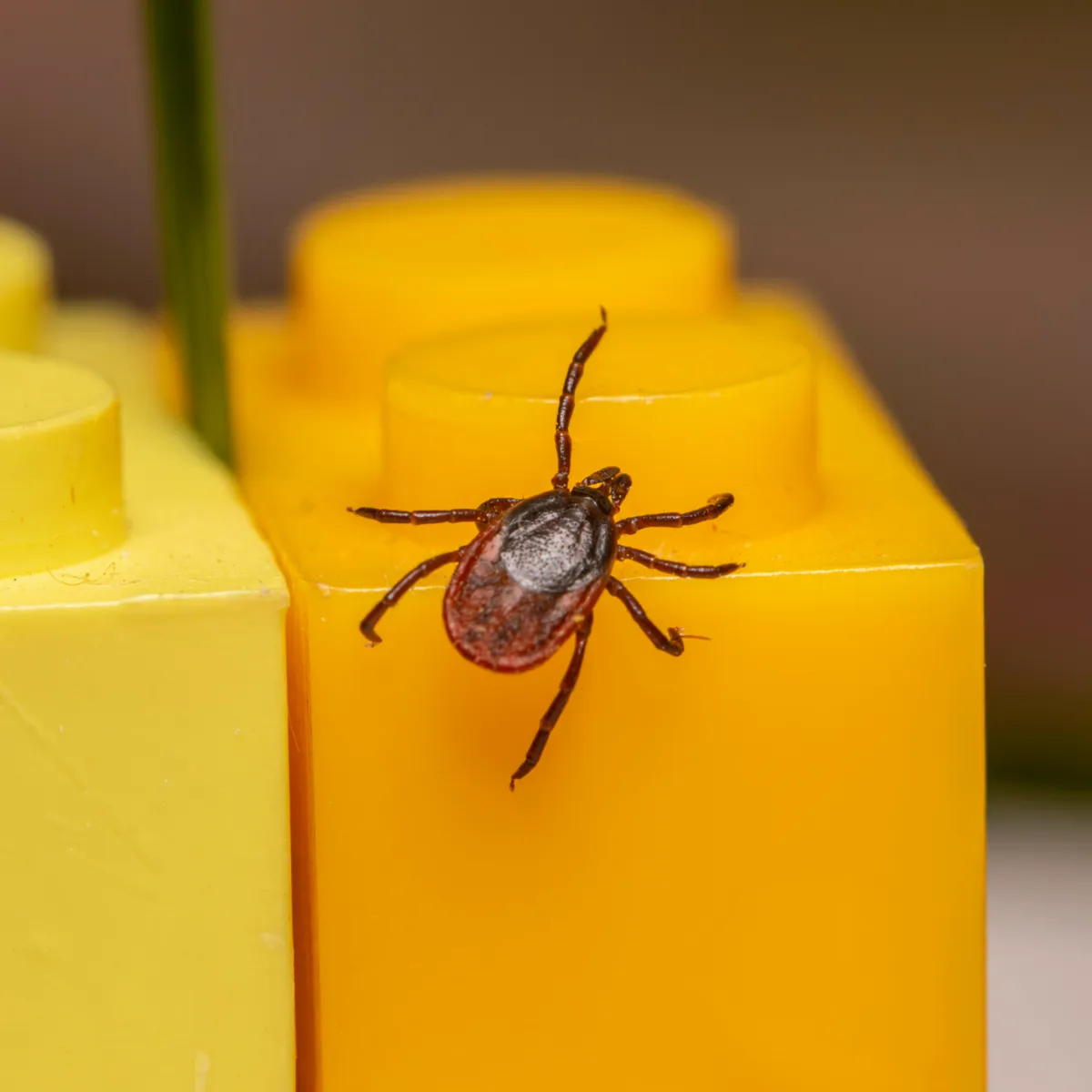
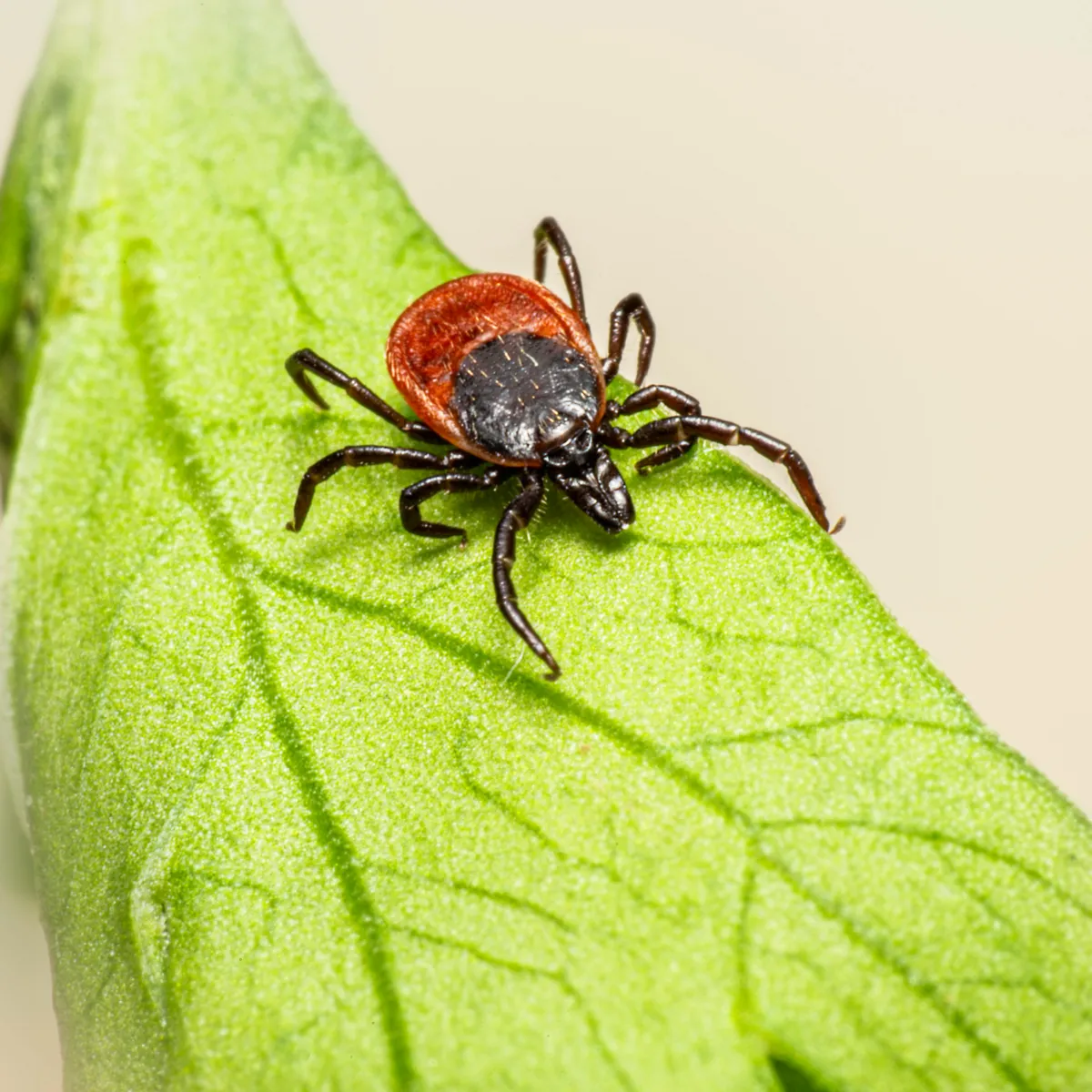
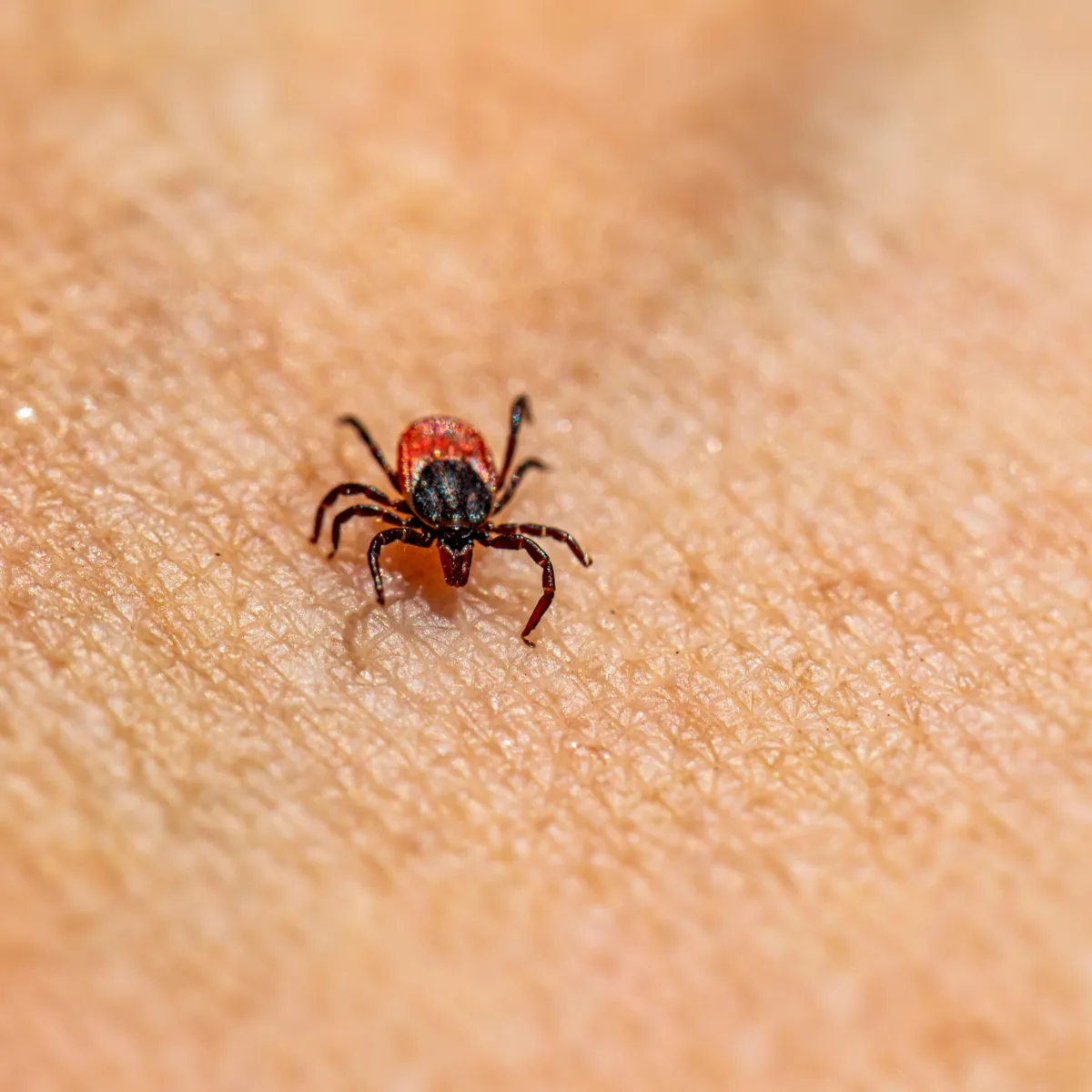
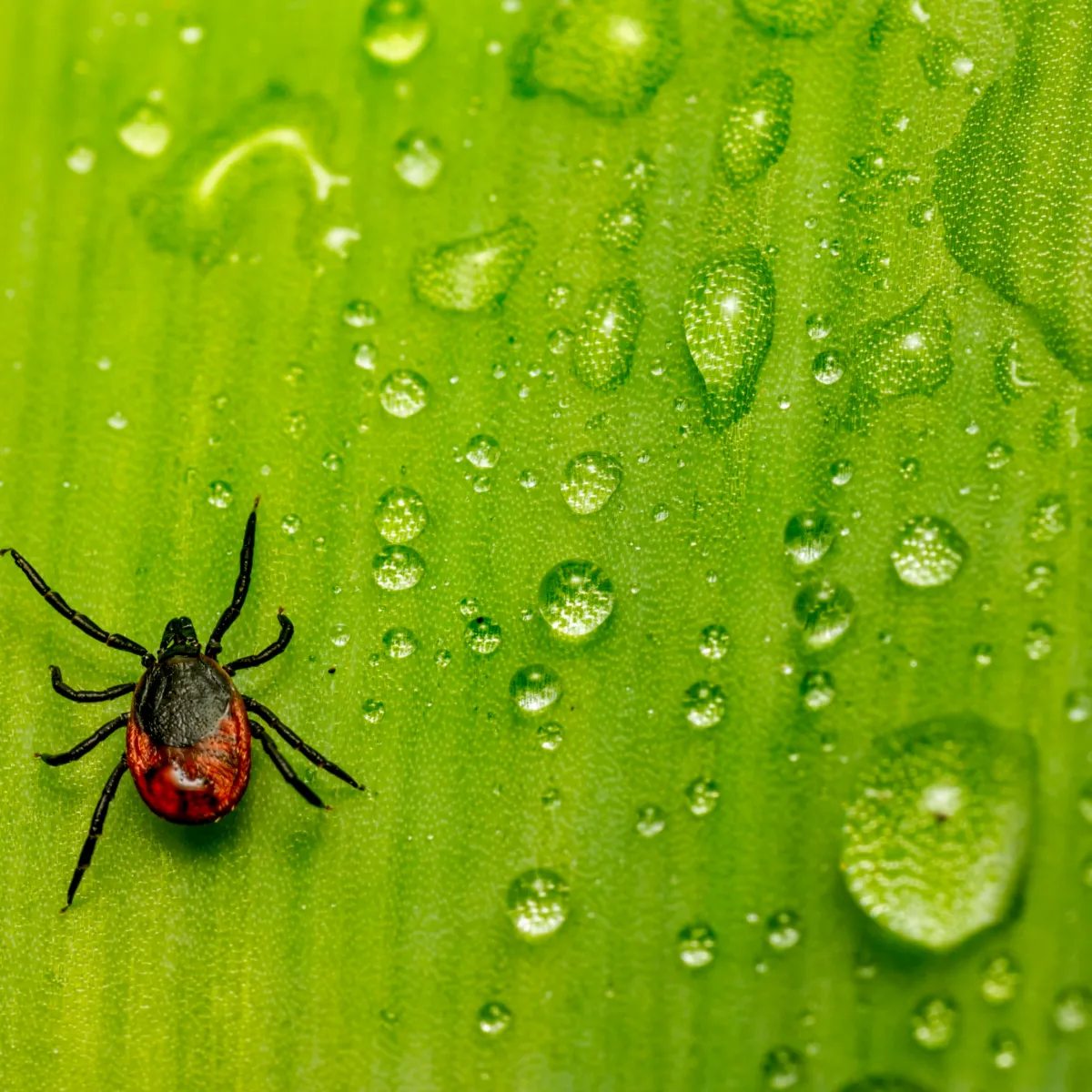
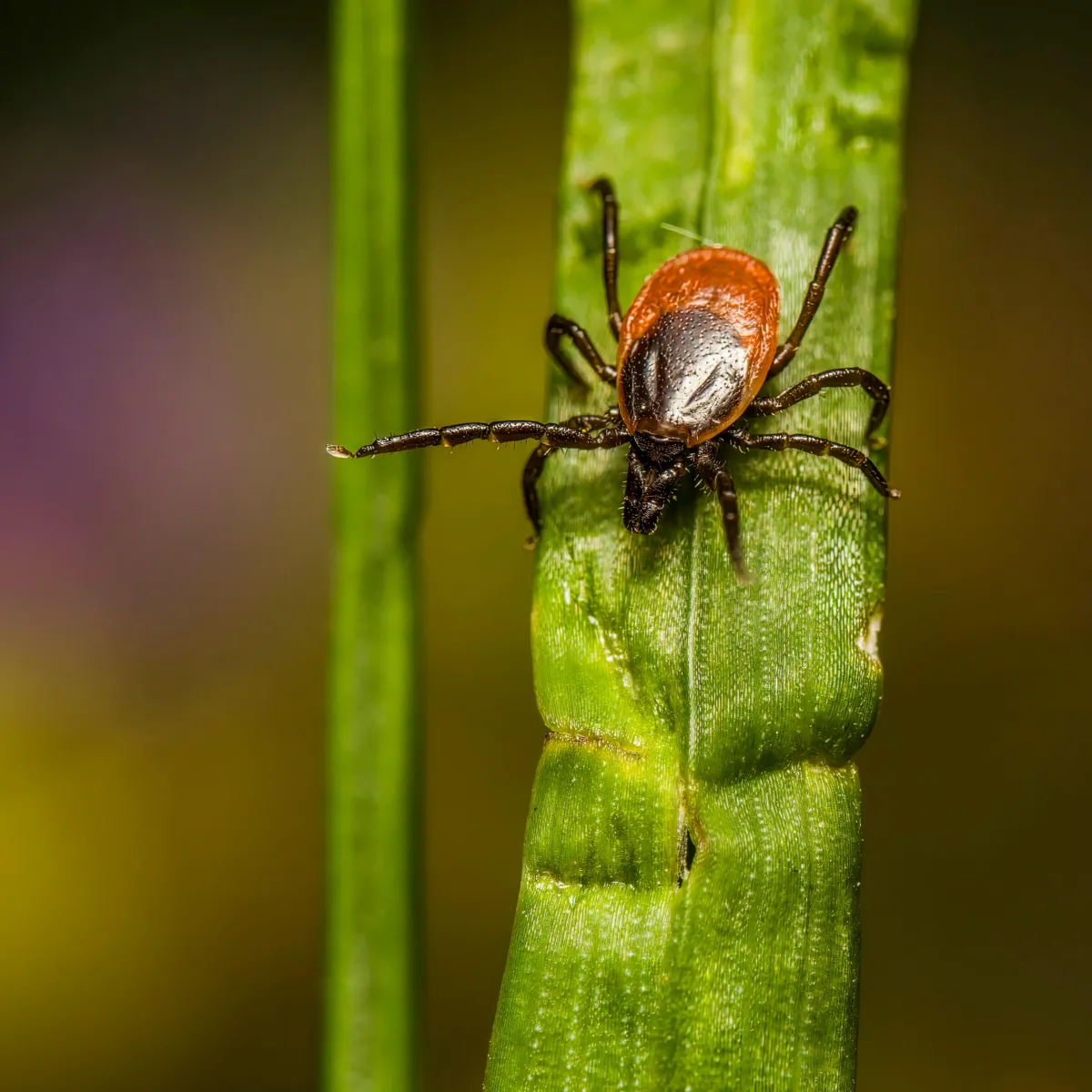
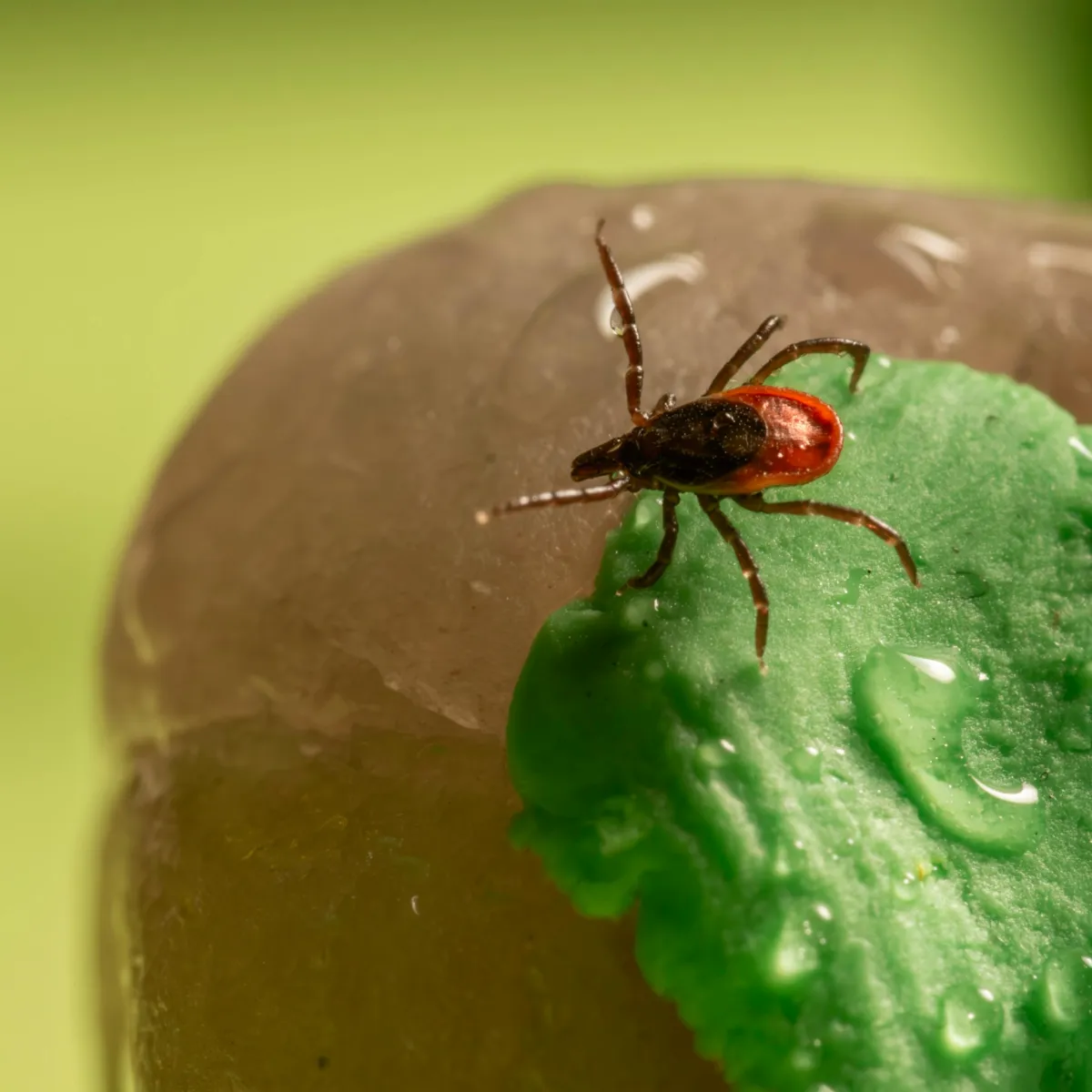
Shaded borders often hold hidden ticks.
Ticks can make a yard feel uncertain even when the lawn still looks clean and manageable. One tick found on a dog, one bite after time near the fence line, or one sighting close to a patio can be enough to change how a household uses the property. TDI Green Services provides professional tick control in Capshaw, AL for the outdoor areas where daily exposure is most likely to begin.
Get ready for summer with our limited time offer!
Enjoy your yard this summer by treating mosquitos early in the season. Schedule your service today!
Only $39.95 for your first service
Outdoor living needs steadier yard protection.
Tick control works best when it focuses on the places where families and pets actually run into problems instead of treating the entire property like it carries the same level of risk. In Capshaw, that often means grassy borders, shrub lines, pet routes, shaded sections of lawn, brushy corners, and the transition areas between open yard space and thicker vegetation. Our service is built to reduce tick pressure where it matters most and help homeowners regain confidence in how they use their outdoor space.
Four focused steps reduce outdoor exposure.
Step 1 starts with a close inspection of the property to identify where tick pressure is most likely building, including shady borders, fence lines, pet paths, brushy corners, and the sections where wildlife movement meets the areas your household uses most often.
Step 2 focuses treatment on the high-risk areas rather than applying the same approach everywhere. That helps reduce activity where ticks are most likely to stay hidden and where people and pets are most likely to come into contact with them.
Step 3 strengthens the barrier around the parts of the yard that shape daily routines, including patios, play areas, walkways, pet zones, seating spaces, and the transition areas that connect them to thicker cover nearby.
Step 4 continues protection over time. Tick activity can return as grass regrows, moisture lingers, and the same hidden areas keep supporting movement, so ongoing service is often the best way to stay ahead of future pressure.
Warm shade and moisture extend activity.
Ticks matter because they are easy to overlook until they turn into a repeated concern. Warm weather, moisture, thicker edges, wildlife movement, and shaded yard sections can all help support ongoing activity in Capshaw. Homes with dogs, larger outdoor spaces, and regular use of patios, walkways, or play areas often feel the impact more quickly because the issue becomes part of everyday routines. Professional service helps reduce that pressure before it turns into a constant problem.
Protected edges often hide more activity.
Ticks usually stay where the yard offers cover and protection. Common hiding spots include taller grass, brushy corners, leaf piles, wood piles, landscape beds, fence lines, under decks, near sheds, around pet areas, and along the edge where maintained lawn gives way to denser growth. Shaded areas that stay quiet and slightly damp often deserve the closest attention because they can support activity longer than the open lawn.
Family routines deserve lower tick pressure.
Tick issues become more frustrating when they affect the exact spaces a household depends on. Dogs move through the same grassy paths every day, children play near lawn borders without thinking about what may be hiding there, and adults want patios and outdoor seating to feel relaxing rather than risky. A strong tick control plan helps reduce exposure around those high-use areas so the yard feels easier to trust again.
Rain and growth keep ticks active.
Spring often makes tick activity more noticeable because rising temperatures and fresh growth create more cover throughout the yard. It is also when families and pets begin spending more time outdoors again.
Summer can keep pressure active because Capshaw properties often combine heat, shade, thicker vegetation, and everyday outdoor routines all at once. Tick-prone areas may stay concentrated, but exposure becomes more noticeable as use increases.
Fall does not always end tick pressure right away. Ticks can remain active in protected areas as long as the property still offers enough shelter, cover, and favorable conditions.
Rain and lingering moisture continue to matter because damp, protected growth often supports activity longer than open lawn. The thicker and more sheltered those sections become, the more likely they are to need continued attention.

Local planning improves yard specific protection.
Capshaw homeowners want a tick control plan that reflects how their property is actually laid out and used. TDI Green Services brings local understanding of North Alabama weather, outdoor living patterns, yard edges, and seasonal growth to each treatment plan. That helps us make more targeted recommendations and provide service where tick pressure is most likely to affect day-to-day routines.
Simple maintenance helps reduce repeated exposure.
Keeping grass trimmed, reducing overgrowth, removing leaf buildup, maintaining pet areas, and cutting back vegetation near outdoor gathering spaces can all help lower the conditions ticks prefer. It also helps to create more distance between dense cover and the active parts of the yard and to check pets after time outside. These habits support professional treatment by making the property less inviting to ongoing tick activity.
One visit handles specific tick concerns.
A one-time tick treatment can be useful when there has been a recent sighting, concern around one section of the yard, or an upcoming event that makes immediate reduction especially important. It can help with short-term pressure, but it may not be enough for properties that keep supporting activity through the season.
Recurring visits prevent quiet activity buildup.
Recurring tick control is often the stronger option for homeowners who want more dependable protection over time. Ticks can return as vegetation grows back, weather changes, and the same yard conditions remain favorable. Ongoing service helps reduce the chance that the property gradually slips back into the same exposure pattern.
Nearby properties may share tick pressure.
Tick pressure does not always stop at one property line. Similar yard conditions can create similar issues across nearby homes, especially where shaded borders, thicker edges, and open outdoor space are common. That means the same factors affecting one Capshaw property may also influence neighboring yards and nearby service areas.
If ticks are making you second-guess how your Capshaw property gets used, TDI Green Services can help you get ahead of the issue with treatment built around where exposure really starts. We will focus on the high-risk edges, help reduce pressure around the spaces your family and pets use most, and give you a clearer plan for more confident outdoor living.