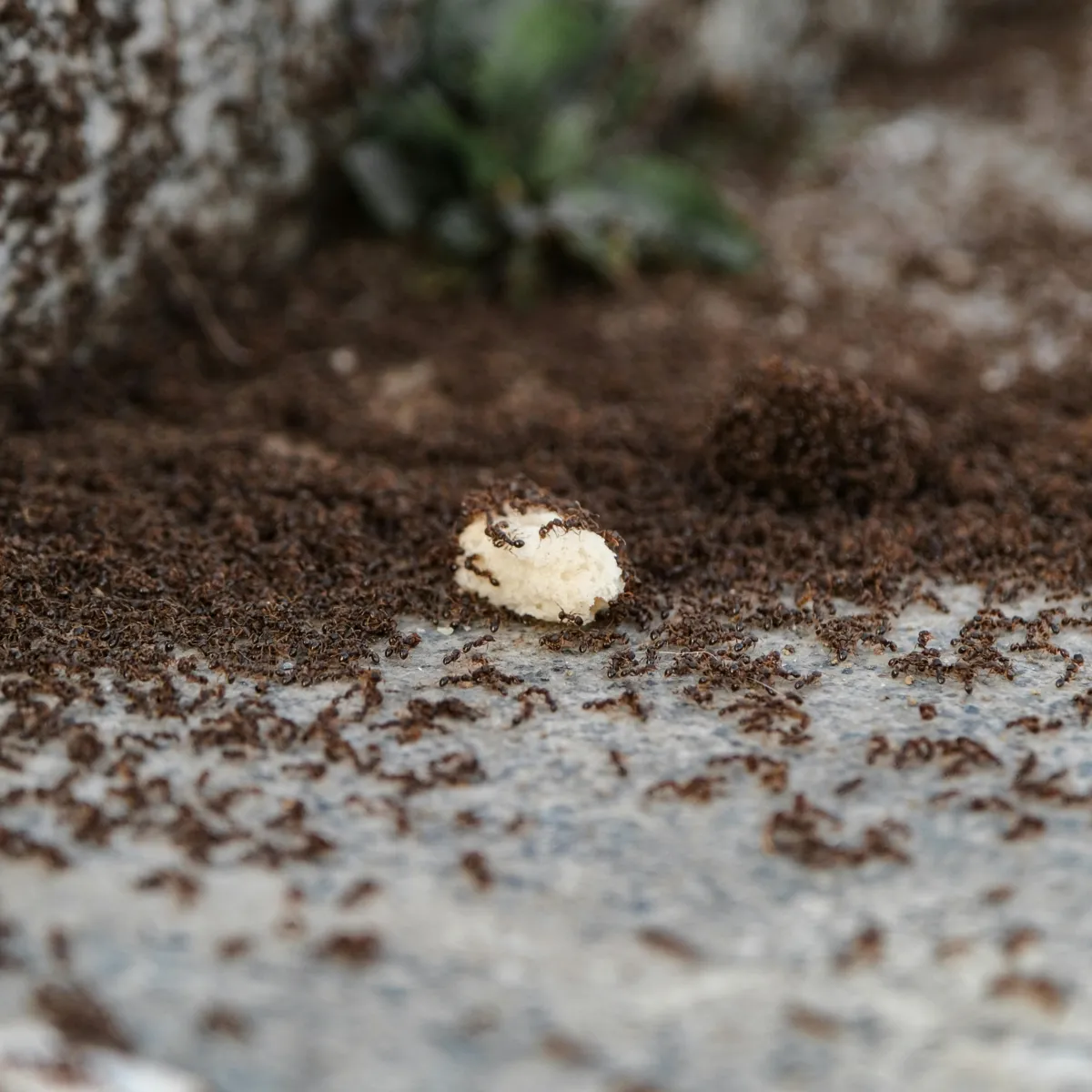
Loose mounds warn of deeper colonies.
Fire ants can change the way a lawn feels almost immediately. A yard that should be easy to cross suddenly becomes something people watch carefully, especially when mounds begin showing up near walkways, fence lines, or open play space. TDI Green Services provides professional fire ant control in Ardmore, Alabama to treat active mounds, reduce colony pressure, and help make outdoor areas more comfortable to use again.

Warm lawns can hide aggressive activity.
In Ardmore, fire ants often take advantage of open sunny turf and larger outdoor areas where colonies can spread without being noticed right away. What seems like one mound may actually be part of a bigger underground issue. Once repeated stings, fresh mounds, and defensive swarming become part of daily yard use, the problem quickly becomes more than a simple nuisance.
Professional fire ant control matters because the goal is not just to flatten the mound you can see. It is to inspect the property, understand how the activity is spread out, and apply treatment that addresses the colony more deliberately. Our service is built around inspection, targeted treatment, and guidance that fits the way the yard is actually used by families and pets.
Fire Ant Control for Ardmore Lawns
Fire ants matter because they are aggressive, territorial, and capable of turning ordinary lawn use into a sting risk. A visible mound is often just the surface sign of a larger colony below. When multiple mounds begin appearing across the property, it usually means the issue is spreading or reestablishing. That matters for homeowners trying to mow, supervise kids outside, manage pets, or simply enjoy the yard without constantly scanning the ground.
Color size and swarming reveal trouble.
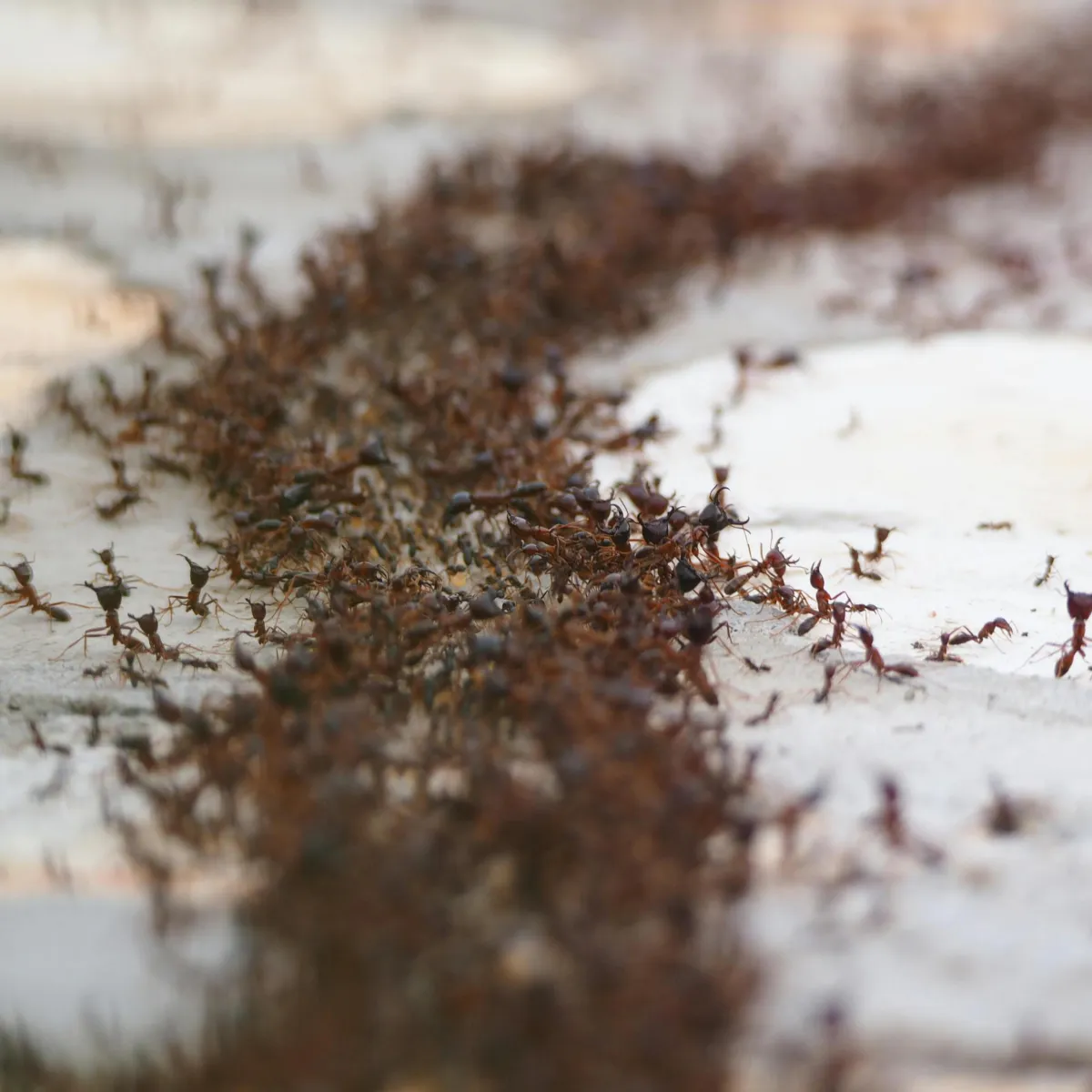
The clearest sign of a fire ant infestation is the appearance of loose, sandy mounds in open lawn areas, particularly after rain or irrigation. Homeowners may also notice reddish-brown ants moving aggressively when the mound is disturbed, repeated stings after brief contact with the grass, or several mound sites developing across the same yard. When those signs start repeating, the issue is usually more widespread than it first appears.
Underground colonies outlast shallow treatments fast.
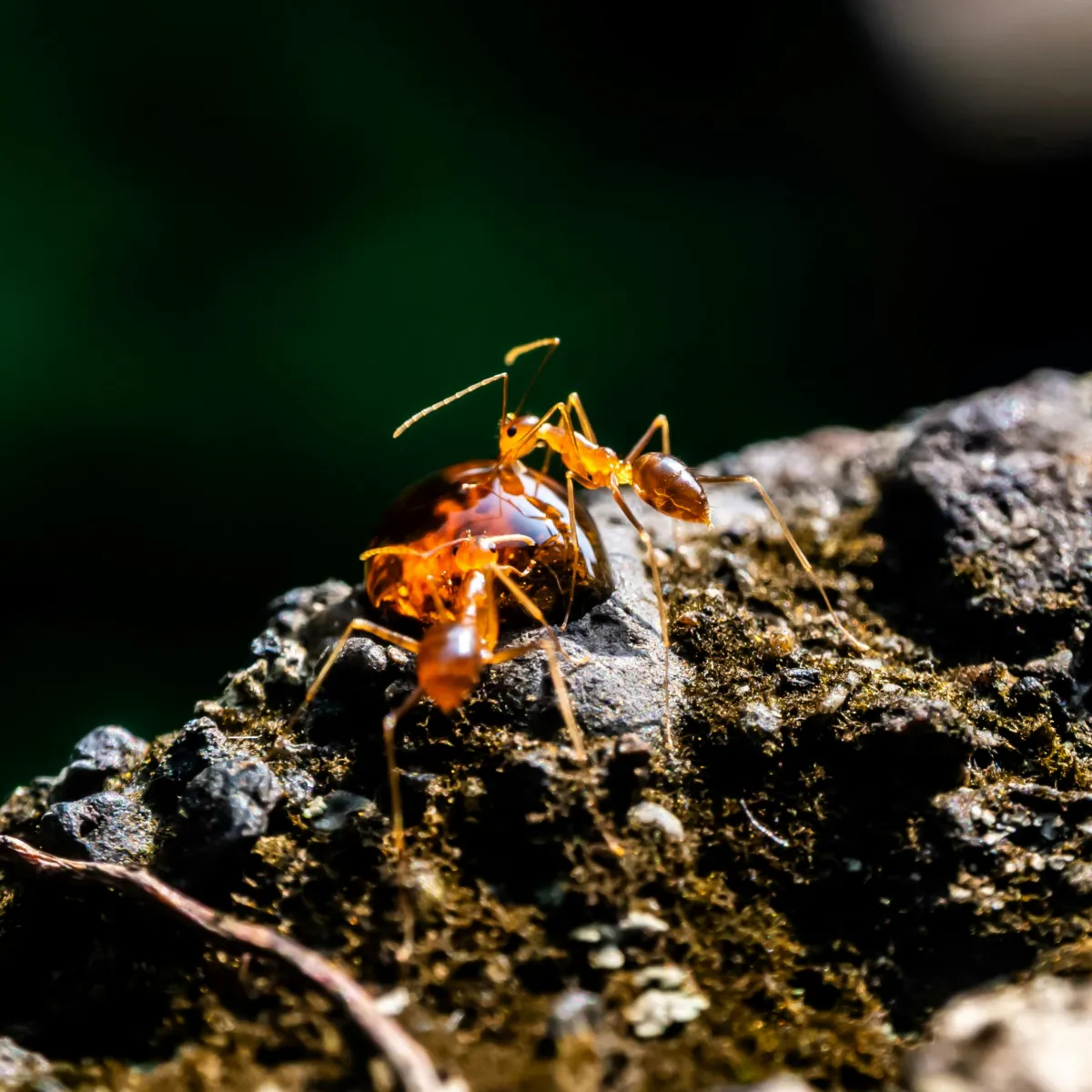
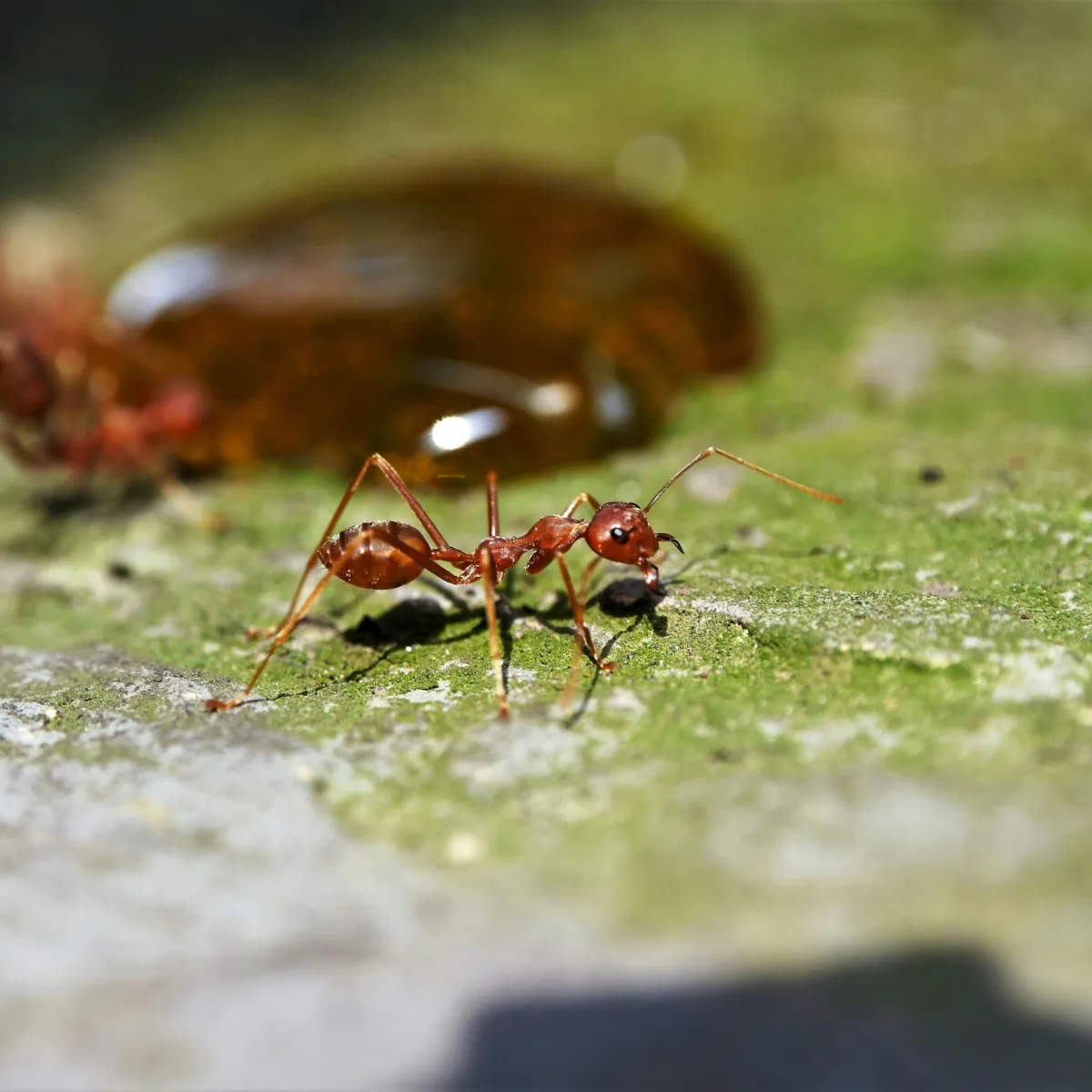
Fire ants are typically reddish to reddish-brown, small in size, and highly aggressive when their colony is disturbed. They are most often associated with mounds in sunny open turf where warm soil supports visible activity. In Ardmore, homeowners may notice them first in front lawns, along drive edges, or in open spaces that stay warmer through the day.
Inspection first creates smarter mound treatment.
Fire ants are difficult to eliminate because the visible mound is not the full problem. Much of the colony remains below the surface, and treatment success can be affected by weather, watering, foraging behavior, and colony size. Some infestations may also involve multiple queens or broader underground movement that makes a surface-level fix unreliable. That is why DIY efforts often feel temporary even when they seem promising at first.
DIY timing mistakes limit treatment results.
We start by looking at where mound activity is concentrated, how severe the pressure appears to be, and whether the problem is isolated or spread across a wider section of the property. Then we treat the active areas using an approach matched to the real conditions in the yard. The goal is to reduce current mound activity while helping prevent the same pattern from continuing.
Painful stings change how yards function.
Some properties need broader treatment across several active zones, while others benefit more from direct attention to specific mound locations. Depending on the infestation, a bait-based strategy, focused mound treatment, or a combined approach may offer the best result. Professional service works better because treatment is chosen based on how the colony is behaving rather than on trial and error.
Fresh mounds complicate mowing and play.
DIY fire ant control often falls short because it focuses on the ants visible on the surface while leaving the deeper colony active. Weather can reduce treatment performance, poor timing can limit results, and direct mound contact can increase the risk of stings. Professional fire ant control removes much of that guesswork by starting with inspection and matching the treatment to the infestation itself.
Local familiarity strengthens fire ant planning.
In Ardmore, fire ants are usually most noticeable when warm weather and open sunny ground support visible mound building. Fresh activity often becomes easier to spot after rainfall, and the problem can remain obvious through the hotter stretches of the season. Homeowners tend to notice the issue most when the yard is being used most often.
Family routines deserve safer treated spaces.
Professional fire ant treatment should always include clear direction about treated areas and reentry expectations. We explain what homeowners need to know after service so families and pets can use the yard responsibly. A focused treatment plan is the safest way to reduce fire ant pressure without using more product than the situation actually requires.
Local service beats generic lawn pest plans.
Homeowners in Ardmore choose TDI Green Services because they want fire ant control that reflects local yard conditions instead of a copied playbook. We understand how North Alabama weather, outdoor use, lawn layout, and seasonal changes influence fire ant pressure. That helps us recommend treatment more practically and provide service that feels more purposeful for the property in front of us.
If fire ants are making your Ardmore yard harder to use, TDI Green Services can help you take control with a plan built around the real activity on your property. We will inspect the mound pattern, treat the right areas, and help reduce the sting risk that keeps outdoor time from feeling comfortable. Contact us today to schedule fire ant control that is targeted, local, and built for everyday yard use.