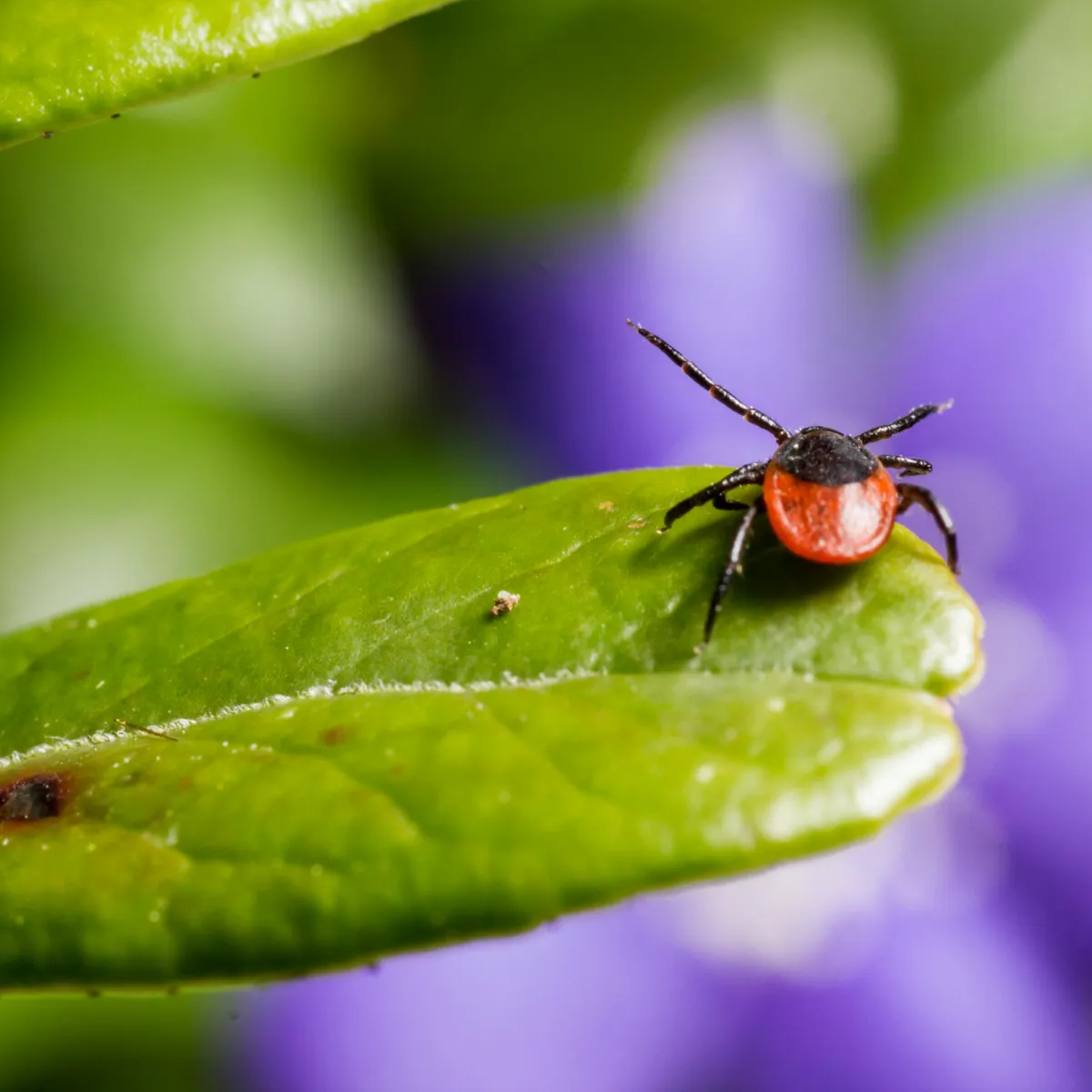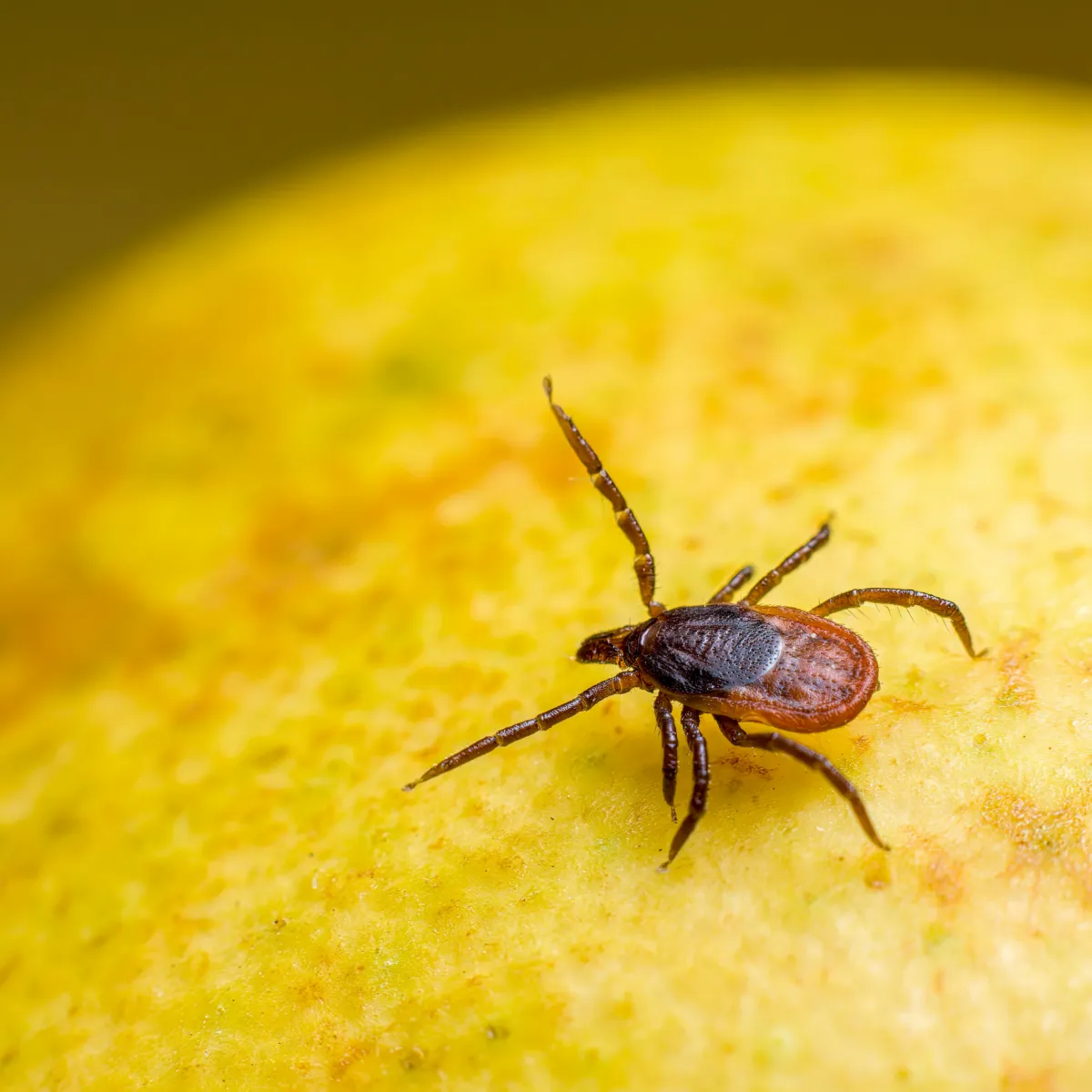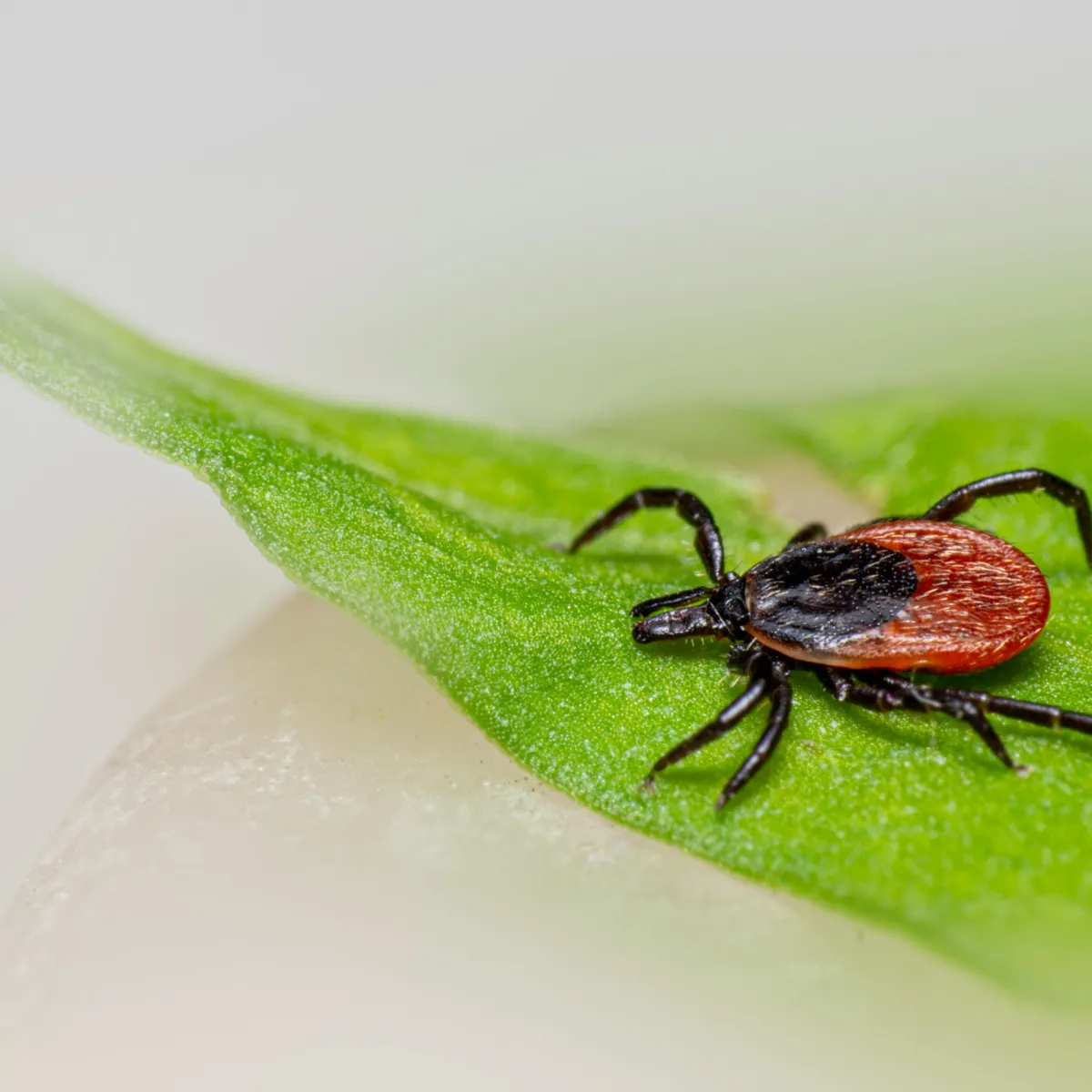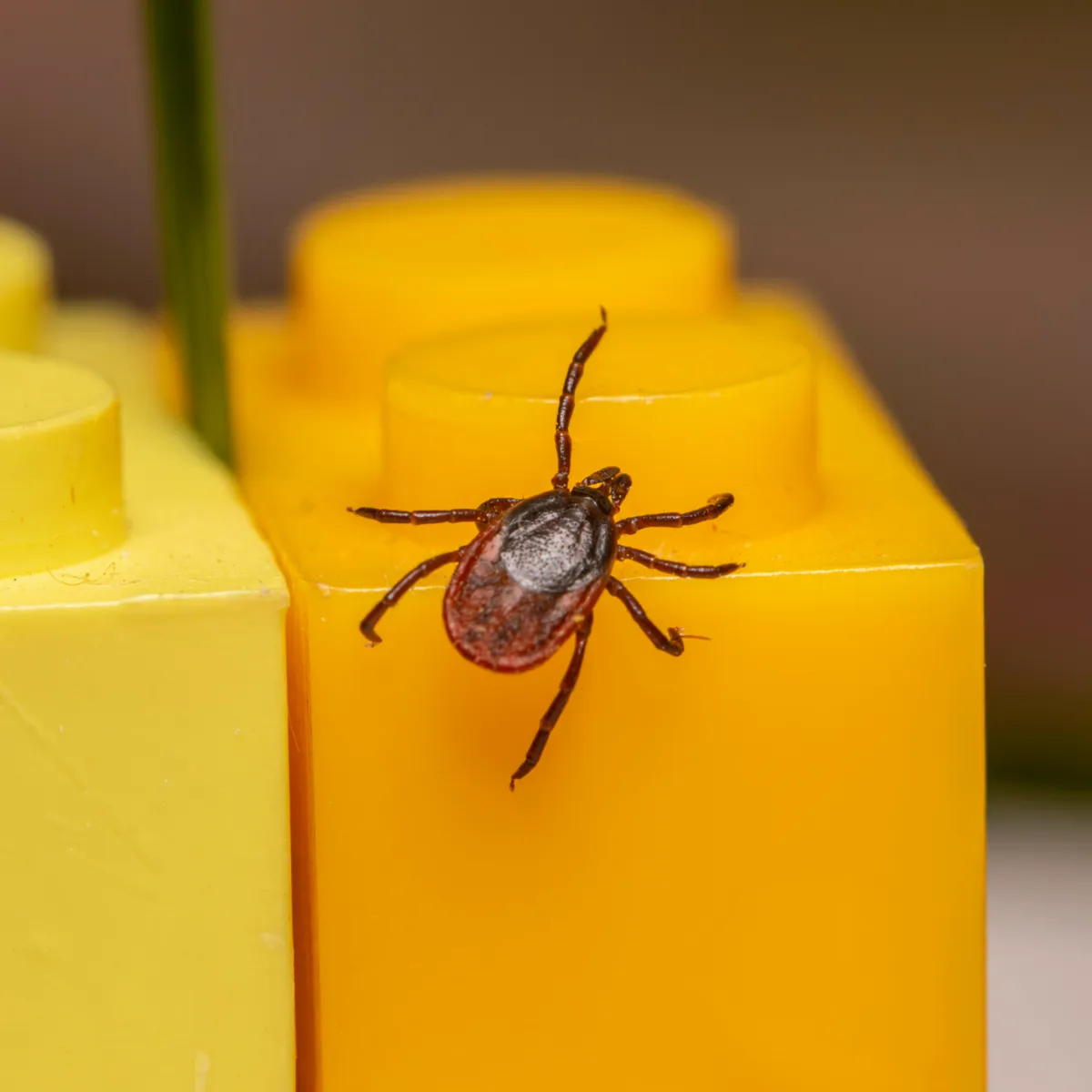
The section of the yard causing the most repeat concern is usually the one doing its work quietly and consistently.
In Josephine, a yard can feel open and relaxed while still keeping a few hidden sections that remain more supportive than the rest of the property. That might be a border beneath denser planting, a shaded strip along a fence, a damp side- yard run, or the place where open lawn starts meeting rougher edge cover. Those sections often keep the same conditions in place long after nearby turf has already changed. TDI Green Services provides tick control in Josephine, AL by focusing on where the property is actually holding those supportive conditions. We look at where moisture stays close to the soil, where low cover remains dense, and where outdoor routine brings people and pets nearest to those hidden sections. That helps create a treatment plan that is built around the actual yard instead of a general assumption. Most homeowners feel the issue through routine. The same route becomes the part of the yard people watch. One edge of the property keeps raising the same concern. Once those source sections are treated directly, the whole yard usually begins feeling much easier to move through and enjoy.
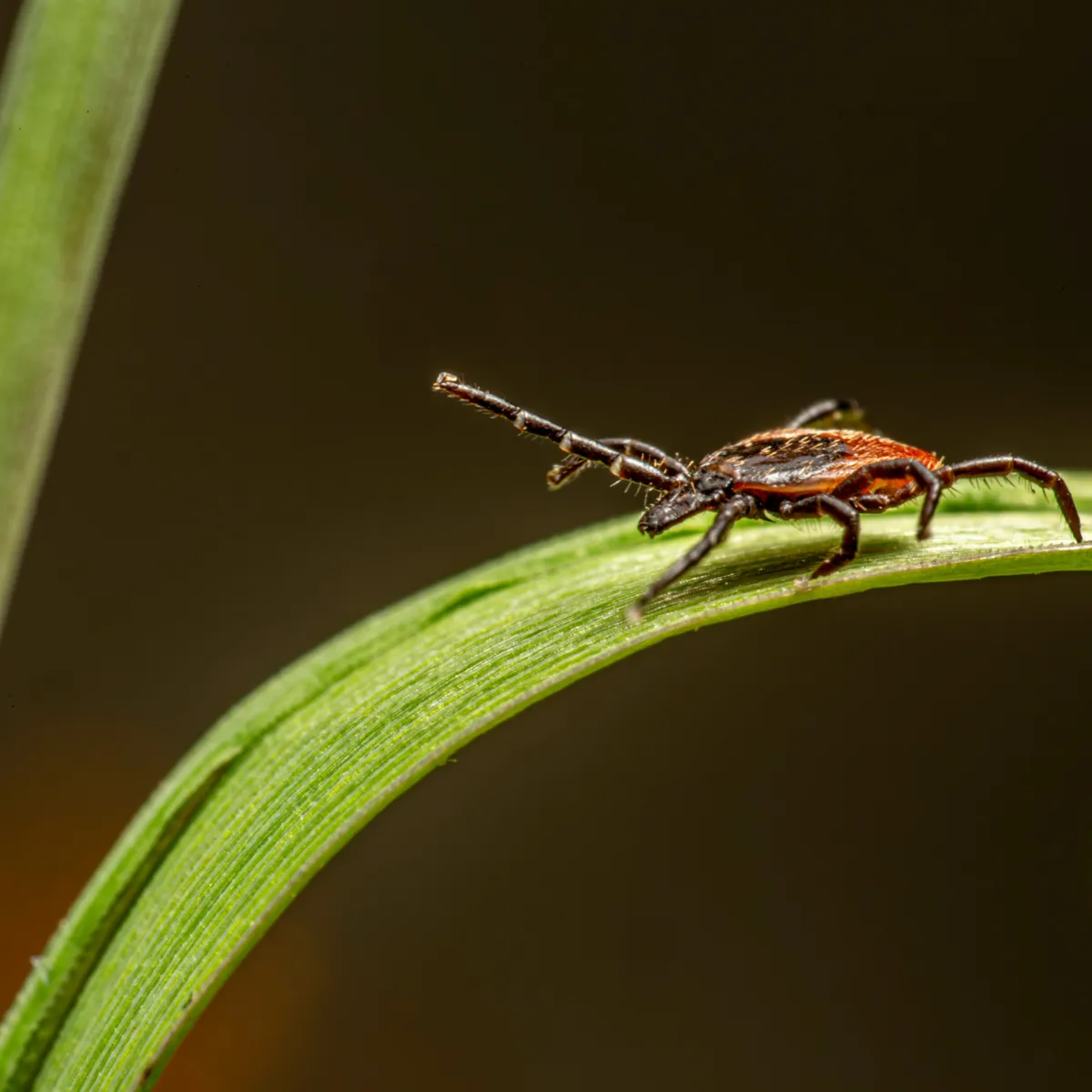
A repeated issue in the yard usually means one hidden support zone keeps doing the same job over and over.
Many Josephine properties have small but important changes in how they hold shade, moisture, and cover. One section may stay open and fast- drying, while another remains more protected because of bed borders, fence lines, denser planting, or slower- drying soil. Those differences often explain why the same concern keeps returning to the same section. That is why TDI starts by evaluating the property section by section. We study shade, plant density, moisture retention, low cover, and the paths most often used by pets and people. Those details help identify which parts of the yard are acting as holding zones and which nearby spaces are most likely to be affected by them. Treatment is then directed to those support sections and to the patios, lawns, pet paths, walkways, and border transitions most closely tied to them. Addressing both the hidden source and the spaces it touches most often helps create a result that feels much more practical in everyday life.
The issue becomes much more disruptive once it starts following the same routines as the people and pets using the yard.
Tick control matters because the yard should not feel like it has a section that everyone quietly treats differently. Once one route, one border, or one corner keeps causing repeated concern, that discomfort spreads beyond the source area. It becomes part of how the property is experienced day to day. In Josephine, it often takes only a few supportive sections to create that shift. A damp perimeter edge, a bed line with thick low cover, or a protected strip beside a structure can be enough if those conditions stay favorable through the season. The whole yard does not need to be difficult for one hidden section to keep affecting the whole property. That is why treatment matters beyond the most recent visible sign. It helps reduce the actual support zones instead of leaving homeowners to keep reacting every time the issue shows up again.
The strongest source sections are usually the places where the yard stays just a little thicker and slower to clear than nearby turf.
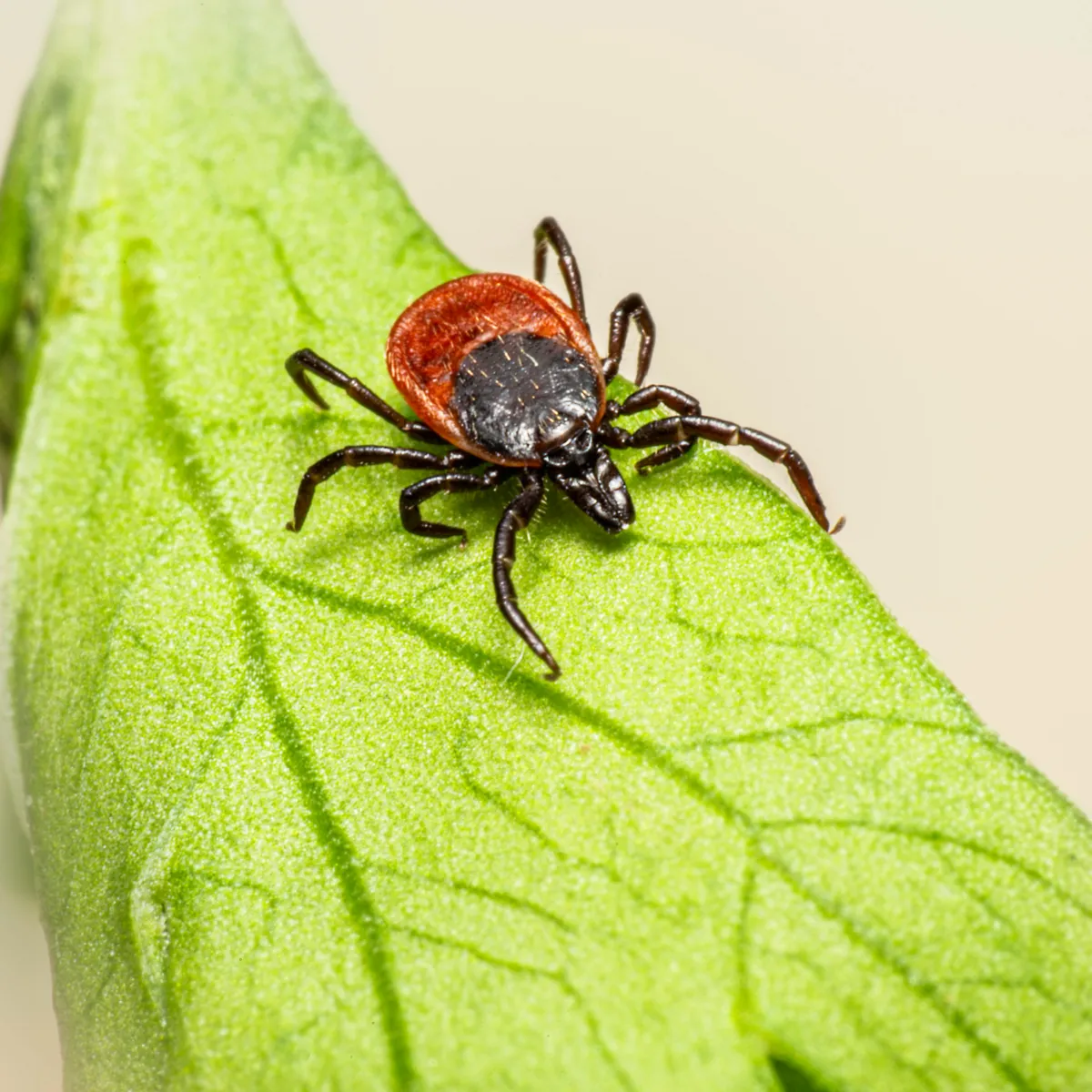
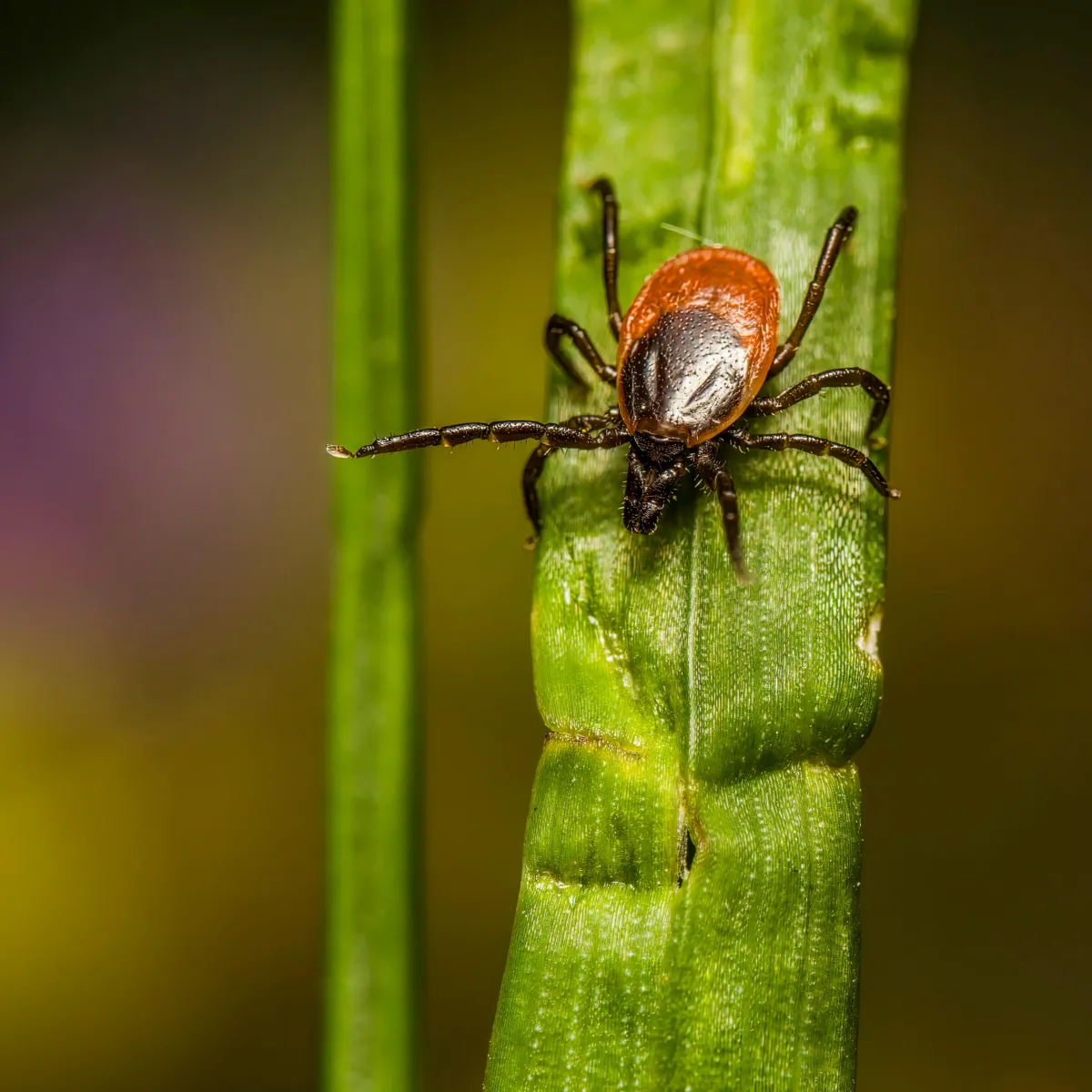
Ticks usually stay in the areas where the property provides reliable shelter near the soil. Around a home, that often includes border grass, bed lines, fence strips, shrub bases, and the places where maintained lawn begins blending into rougher outer cover. Those are usually the sections holding support the longest. Smaller hidden spaces are often just as important. The strip beside a shed, the edge behind a retaining wall, the base of a privacy row, or the line along a side yard can all become support zones if they stay protected enough. Homeowners often underestimate those spaces because they do not look large enough to carry much of the issue. Pets make those sections more important because they repeat the same routes through them daily. A familiar path beside a fence or behind planting keeps linking the hidden support zone to the parts of the yard used most often.
The strongest treatment plan begins where the property keeps quietly holding the issue in place.
We begin by identifying how the yard behaves in real conditions. Shade, moisture, plant density, low cover, and daily use patterns all help reveal where repeat activity is most likely supported.
Treatment is applied to the sections most likely to keep the issue active. This often includes bed borders, perimeter strips, fence edges, damp corners, and protected yard zones where cover stays thickest near the soil.
After the likely source sections are addressed, we extend coverage into the lawns, patios, walkways, pet routes, and other spaces tied most closely to everyday use.
Because the same sections can become favorable again through weather and seasonal growth, continued service helps keep the property from rebuilding the same repeated problem later in the year.
The biggest shift often comes when the yard stops feeling like it has one section people need to avoid.
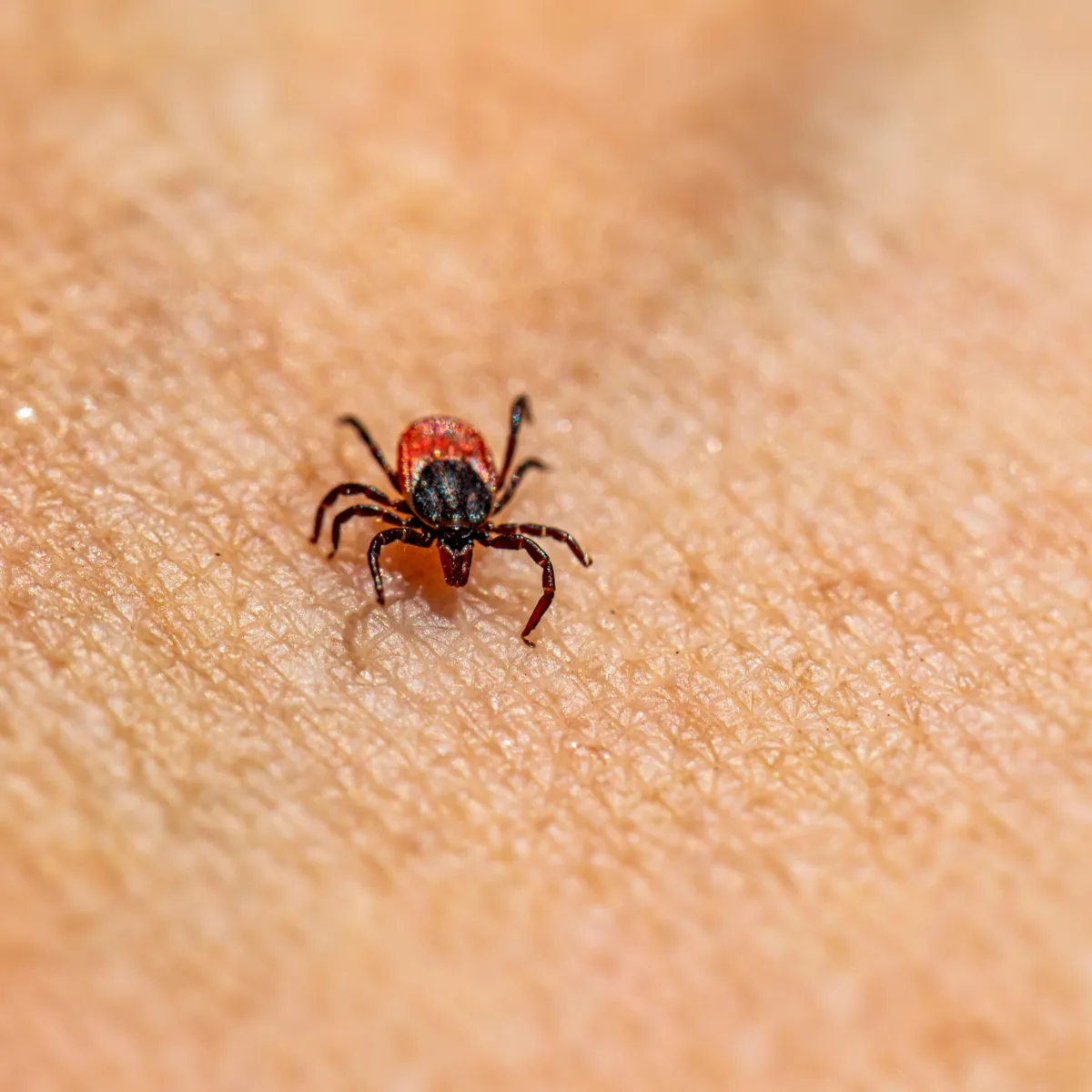
Tick prevention matters because the issue rarely stays limited to one hidden part of the property. Dogs repeat the same outdoor paths every day, often right beside the sections where shelter stays thickest. Children move between lawn, patio, and open space without noticing which nearby strip is still holding the wrong conditions. That overlap is what lets one support zone affect the whole yard. TDI helps reduce that overlap by treating the source sections and the spaces most influenced by them together. When the lawn edge, pet route, patio border, and nearby support areas are all addressed within one plan, the yard becomes easier to use with less repeated concern.
The season changes the whole property, but the most protected sections usually keep their influence through every shift.
Spring often starts the pattern because border lines, bed edges, and shaded sections begin holding more fresh growth and moisture before open turf changes very much. Summer often narrows the issue into the most sheltered sections. Open grass may dry down, while denser edges and lower- airflow strips continue supporting the same concern. Fall can keep the same source zones active by adding debris and changing how the property dries. Already- protected sections often stay favorable once leaf buildup begins. Rain usually makes the strongest support areas easier to spot. If one edge or corner stays damp longer than nearby turf, that section usually deserves the closest attention.
The best plan follows what the yard keeps doing repeatedly instead of assuming every property works the same way.
TDI is a strong choice for tick control in Josephine because the service is built around the actual support zones on the property. We focus on where the yard stays favorable, how those sections affect routine outdoor use, and what is most likely to keep returning if left untreated. That helps create a plan that feels more specific and more useful for the homeowner. The Robertsdale location hub includes Josephine among its served cities, and TDI already has Josephine city- level pages under that structure.
The best prevention often starts where the yard keeps quietly preserving the same support for the same repeated concern.
Keep grass trimmed along borders and perimeter strips where low cover builds fastest. Remove loose debris, leaf buildup, and extra shelter from bed edges, shaded corners, and the parts of the property that stay damp longer than nearby turf. It also helps to notice where pets move closest to dense planting and which sections remain heavy after rain. Those clues usually point to the areas most likely to need added attention between treatments.
A focused treatment can be the right first response when one section clearly keeps carrying the same issue.
A one- time treatment can be a practical option when the concern is clearly tied to one visible support zone. That may be a patio border, a fence strip along a pet route, a dense planting edge, or a damp lower corner that keeps raising the same repeated concern. For some properties, that direct treatment may be enough to improve the way the yard feels. For others, it becomes a helpful first step before deciding whether broader support conditions around the property are likely to require a recurring plan.
If the same support sections keep rebuilding, recurring service usually offers the stronger and steadier long- term answer.
Recurring service is often the better fit when the same borders, edges, and slower- drying sections remain favorable through the season. If the same source zones keep holding the same conditions, the issue is much more likely to return unless those areas stay under routine care. That kind of consistency helps the property feel more manageable and less reactive.
Nearby properties often share the same hidden support patterns even when the landscaping looks nothing alike.
TDI provides tick control in Josephine and surrounding Robertsdale- area communities where many yards share similar conditions, including mixed shade, dense border growth, protected strips, and slower- drying sections.
The best place to start is usually the section that has been quietly repeating the same pattern the longest.
TDI Green Services can help reduce tick pressure in the outdoor spaces your family uses most, from the lawn to the border areas around it. Set up your treatment appointment or request a custom quote for your property today.