Get your lawn back on track with 50% OFF first application!* 50% OFF First Application!* Call Now

Spider activity grows where insects and shelter stay available

Spider Control Services in Josephine, AL

On properties around Josephine, spider issues usually do not begin as a single big problem. They start as repeated little signs. A web appears near the porch ceiling, another forms along the garage trim, and then a spider shows up inside where nothing had been noticeable before. After that, the activity starts feeling less random. The same kinds of spaces keep drawing webs, sightings, and movement, which usually means the conditions around the property are working in the spiders’ favor.

Spider pressure often builds in the background first

Repeated signs usually matter more than one sighting

Josephine properties give spiders a lot to work with. Warm conditions, moisture, vegetation, and steady insect activity all help create the kind of environment where spiders can stay active for long stretches. Covered entries, sheds, garages, eaves, storage spaces, and landscape edges all provide the protection and web-building opportunities they need.

That is why professional spider control matters. The real problem is usually not the one spider someone notices crossing a wall. It is the broader activity around the property, the hidden places spiders are using, and the reasons they keep returning to the same areas again.

TDI Green Services provides spider control for homes and businesses in Josephine with inspections, targeted treatments, web removal, and prevention-focused service designed to reduce active pressure and help keep future spider activity from rebuilding.

Get ready for summer with our limited time offer!

Enjoy your yard this summer by treating mosquitos early in the season. Schedule your service today!

Only $39.95 for your first service

Get a Quote

Visible webs are often only the start of the story

Common Spiders Found in Josephine and Coastal Alabama

Brown widow spiders

Brown widow spidersBrown widows are usually tan to darker brown with mottled patterning and slender legs. They are venomous and taken seriously, even though they are often less aggressive than black widows. They commonly hide around patio furniture, utility boxes, fencing, play equipment, and other protected outdoor areas. Their activity is often easiest to notice during warm months when exterior webbing becomes more obvious. They can present a risk to people and pets if disturbed where they are tucked away. Their egg sacs are often attached within messy exterior webs in sheltered corners.

Black widow spiders

Black widow spidersBlack widows are glossy black with the familiar red or orange hourglass marking beneath the abdomen. They are one of the more serious spiders in the region because of their venom. They usually stay in low, quiet spaces such as garages, crawl spaces, sheds, wood piles, deck voids, and undisturbed exterior corners. Their activity is often easier to notice during warmer stretches, though protected areas may support them year-round. They are a concern when someone reaches into a hidden area without seeing them. They typically nest in low protected spaces with little foot traffic.

Wolf spiders

Wolf spidersWolf spiders are large, fast-moving spiders with brown, gray, or earthy coloring and a hairy appearance. They are nuisance spiders rather than major danger spiders, but their size makes them unsettling indoors. They do not depend on large capture webs and instead hunt while roaming, which is why they are often seen on patios, garage floors, foundations, and interior base areas. Warm weather and changing outdoor conditions often increase sightings. They are not generally a major medical concern, though bites can happen if they are handled or trapped. They usually stay close to the ground in hidden spaces instead of leaving behind heavy webs.

Orb weavers

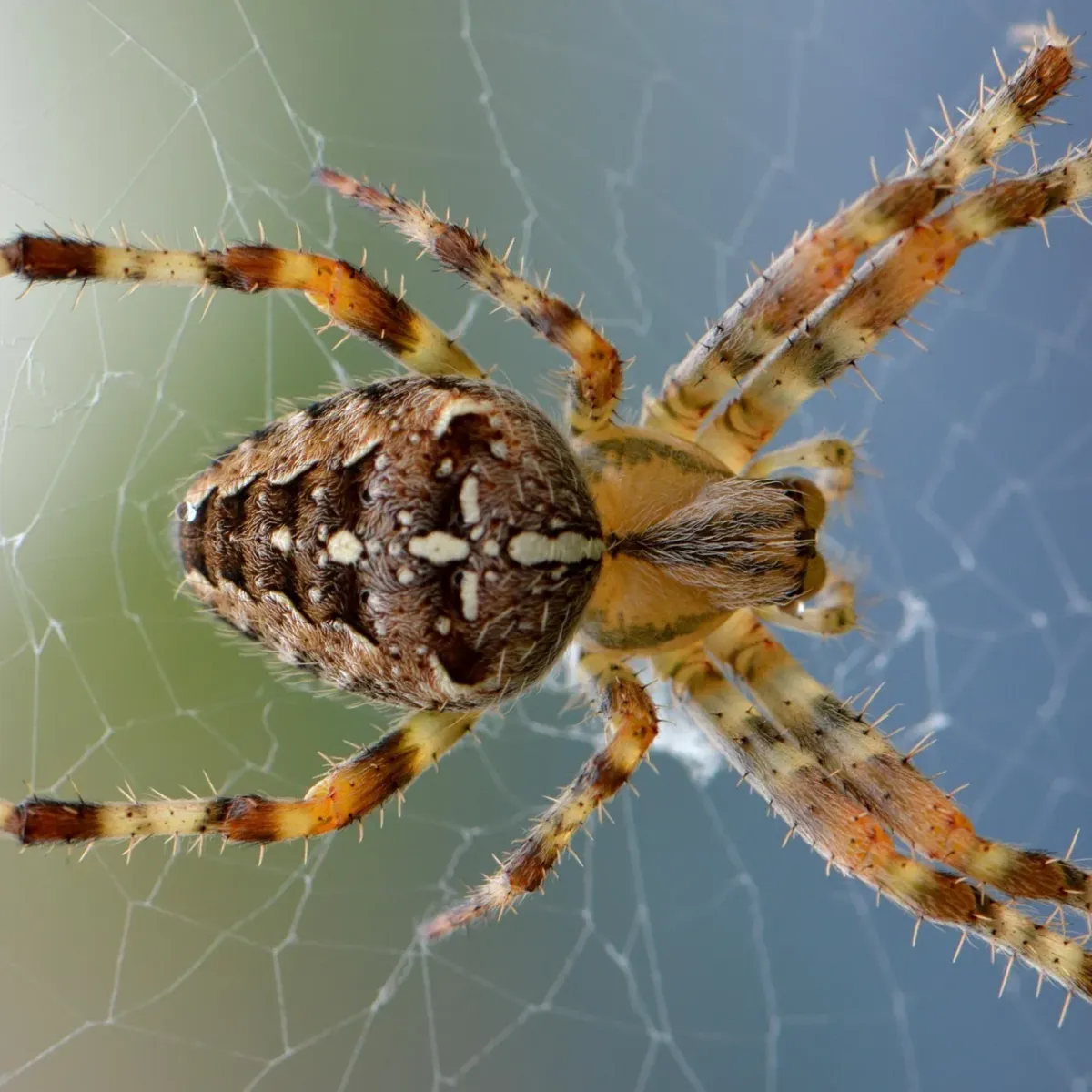
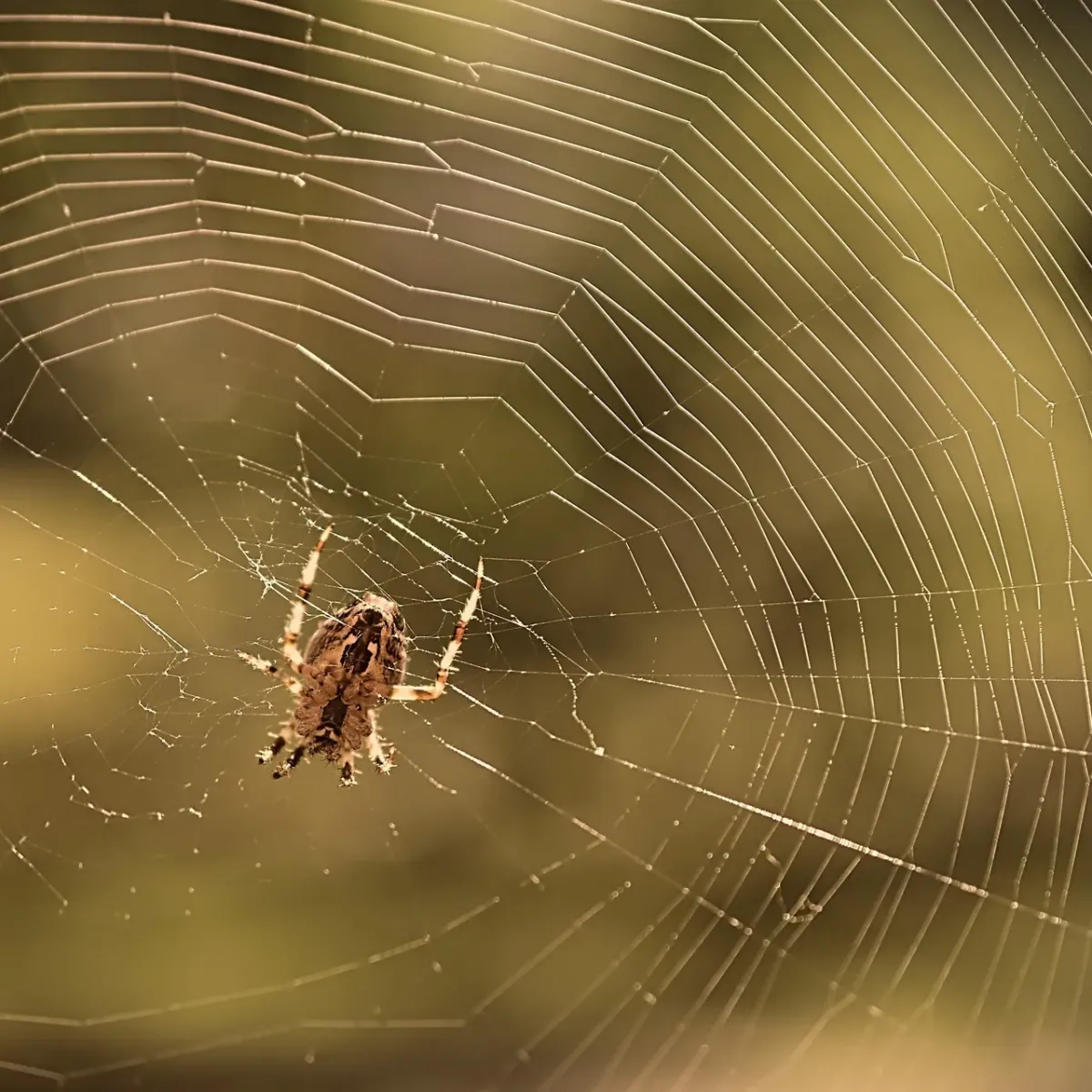
Orb weavers are the outdoor spiders best known for their large circular webs. They can be orange, yellow, brown, or patterned depending on the species. They are nuisance spiders, not typically dangerous ones, but they can create constant webbing around porches, shrubs, decks, walkways, railings, and rooflines. Their activity is strongest when insect populations are high. Risk to people and pets is low, but the webbing becomes a repeated annoyance around outdoor spaces that get regular use. They commonly build between plants, fencing, porch rails, and corners of structures.

Huntsman spiders

Huntsman spiders are broad, flat-looking, and long-legged, often appearing bigger than expected when spread across a ceiling or wall. They are mostly nuisance spiders, though their size and speed make them especially alarming. They often hide in garages, attics, sheds, under stored materials, and in protected gaps around the outside of a structure. Warm conditions keep them active, but they may also appear indoors when shelter and prey pull them in. Bites are uncommon but can be painful if they are trapped or handled. They usually rest in concealed spaces rather than leaving behind thick visible webbing.

Garden spiders

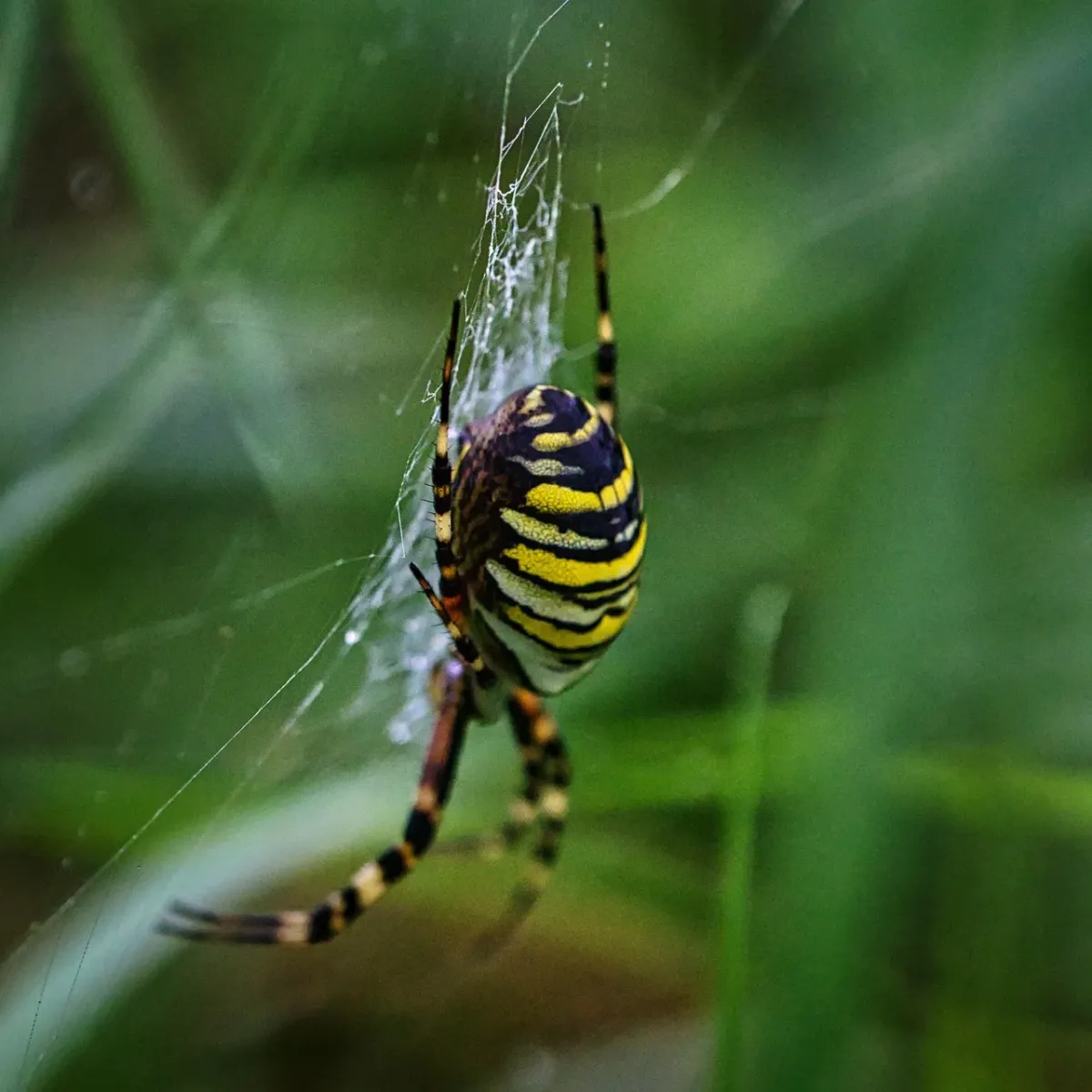
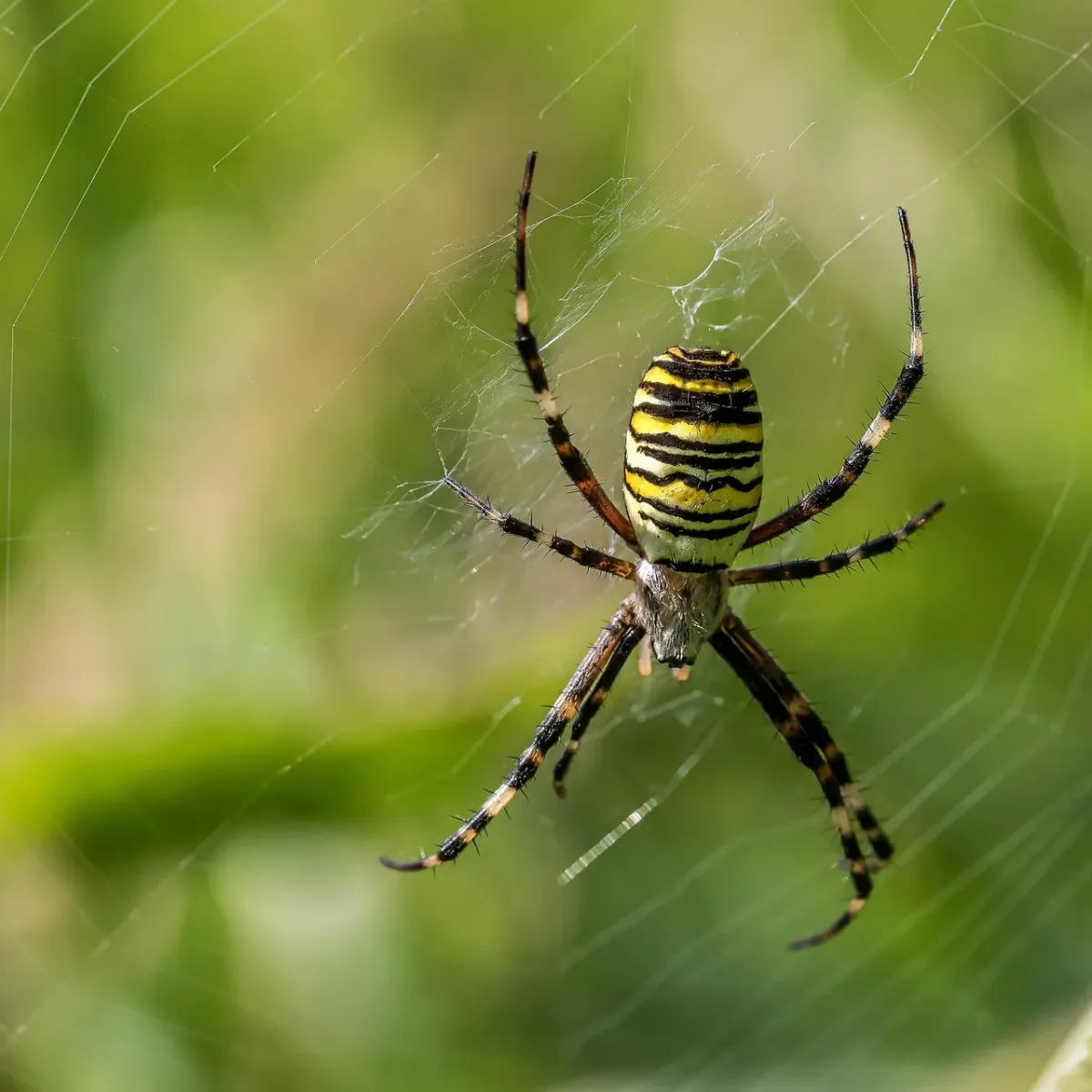
Garden spiders Garden spiders often show bold black, yellow, orange, or brown markings and are common around landscaping. They are not usually considered dangerous, but their webs can become a repeated problem around shrubs, garden beds, fences, patios, and pathways. They are easiest to spot in warmer months when insect activity stays high. Risk to people and pets is low, though their webs can quickly interfere with outdoor areas people use often. They usually nest in taller plants, decorative shrubs, fencing, and garden borders.

Repeated activity usually leaves more than one clue behind

Signs of a Spider Infestation

Spider webs are often the first sign people notice, especially when they keep showing up in the same places. If webbing continues to appear around eaves, porch ceilings, garages, storage corners, windows, attic spaces, or outbuildings, that usually suggests more than a few stray spiders. More frequent indoor sightings are another strong sign that activity around the structure is becoming more established.

Other signs may include egg sacs hidden in corners or attached to webs, dead insects caught in webbing, shed exoskeletons, spider droppings in active areas, and spider activity that continues even after DIY products have been used. When several of those signs begin appearing together, the issue is usually more settled in than it first seemed.

Spiders stay where food and coverage stay dependable

Why Spiders Enter Homes

Spiders usually enter a building because the property gives them an advantage. In many cases, that advantage is food. If insects are gathering around lights, windows, garages, damp areas, or nearby landscaping, spiders tend to stay close. They also seek shelter, web-building spots, and protected places where egg sacs can remain undisturbed.

In Josephine, warm humidity, rainfall, and vegetation around the structure all contribute to spider pressure. Rain can push activity into drier protected spaces. Plants close to the building can support both insect activity and hiding places. Gaps around foundations, vents, doors, windows, and worn screens make access easier. When those conditions line up, spider activity often becomes recurring rather than occasional.

The places spiders prefer are rarely the places checked first

Where Do Spiders Hide

Spiders favor places that stay quiet, sheltered, and close to prey. Inside, that often means garages, attics, closets, crawl spaces, basements, ceiling corners, under furniture, and stored materials that do not get moved often.

Outside, they commonly use sheds, wood piles, roof eaves, patio furniture, stacked materials, dense shrubs, utility boxes, foundation cracks, and spaces under decks or stairs. Once those locations begin supporting webs or egg sacs, the activity often spreads into more noticeable parts of the property.

Lasting control works better when every step fits together

Our Spider Control Process

Spider control is more effective when it follows a structured approach instead of reacting only to visible webs. TDI Green Services uses a process designed to identify active spider pressure, treat the right places, and reduce the conditions that allow infestations to keep coming back.

Step 1: Inspection

We begin by identifying likely spider species, checking likely entry points, locating hiding and nesting areas, assessing moisture conditions, and noting insect activity that may be providing a food source.

Step 2: Treatment

Treatment may include targeted applications, perimeter spraying, crack and crevice treatments, web removal, egg sac removal, residual products in active zones, and interior spot treatments where appropriate.

Step 3: Prevention

From there, we focus on recommendations that help make the property less attractive to spiders. That may include sealing gaps, trimming back vegetation, reducing clutter, managing moisture, and addressing the conditions supporting insect activity.

Step 4: Monitoring

Recurring inspections, follow-up visits, seasonal maintenance, and re-treatment when needed all help keep spider pressure from rebuilding after the initial service.

Spider behavior shifts as local conditions shift

Spider Activity in the Josephine Area

Spring

Spring usually brings stronger insect activity and more visible web-building around the exterior of homes and businesses. It is also when breeding activity begins increasing.

Summer

Summer often brings the highest level of spider pressure. Warm temperatures, humidity, and abundant insects support heavier webbing, more nesting, and more visible activity around structures and landscaping.

Fall

As outdoor conditions begin changing, more spiders move toward protected areas. Fall often brings more complaints because garages, porches, attics, and storage spaces start showing more activity.

Winter

Even when outdoor activity slows, indoor sightings can continue. Garages, basements, attics, and storage spaces can still support spider activity where shelter and prey remain available enough.

What works on one spider rarely solves the whole pattern

Why Professional Spider Control Works Better Than DIY

DIY products often go after the spiders people can reach and little else. That may create short-term relief, but egg sacs may survive, hidden nesting areas stay active, and the insects drawing spiders in are still there. That is why the same webs and sightings often return even after someone felt like they already handled the issue.

Professional spider control works better because it addresses the broader activity across the property. Active zones can be treated directly, webs and egg sacs can be removed, residual materials can be placed where spiders move, and prevention can be built around the conditions keeping the infestation going. That usually provides better long-term control than reacting to one visible area at a time.

Prevention matters most when it becomes part of upkeep

Spider Prevention Tips

Seal cracks and openings around windows, doors, foundations, and vents. Replace damaged screens. Move wood piles away from the building. Trim back vegetation touching the structure. Remove clutter from garages, closets, attics, and storage spaces. Clear webs quickly when they appear.

It also helps to vacuum regularly, manage damp conditions, reduce insect-heavy lighting outside, and keep sheltered corners from staying undisturbed too long. Spider prevention usually works better when the property stops offering so many reliable places for activity to keep returning.

Safe service should still be thorough service

Family & Pet Safe Treatments

Safety matters just as much as results. TDI Green Services uses licensed technicians and state-certified applicators who apply treatments with the property, the people in it, and the pets around it in mind.

That means using products carefully, treating only where it makes sense, and giving clear instructions afterward so you know when regular activity can return. The goal is effective spider control without making the process feel uncertain for the household.

Local knowledge helps when spider issues keep repeating

Why Choose TDI Green Services

Spider control works better when the company handling the issue understands the local conditions affecting it. TDI Green Services provides licensed and insured service, trained technicians, inspection-based recommendations, and a satisfaction-focused approach to spider control.

That matters when webs keep returning or sightings follow the same seasonal pattern. Fast response, local familiarity, and prevention-minded service can make the difference between temporary relief and a property that feels easier to manage over time.

The right service usually starts with the right questions

FAQs

Get Spider Control in Josephine, AL

If webs keep showing up in the same places or spider sightings are starting to feel too common, it may be time to take a closer look. TDI Green Services provides spider control in Josephine, AL to reduce active spider pressure, clear web buildup, and help keep the property from becoming more inviting to future infestations.