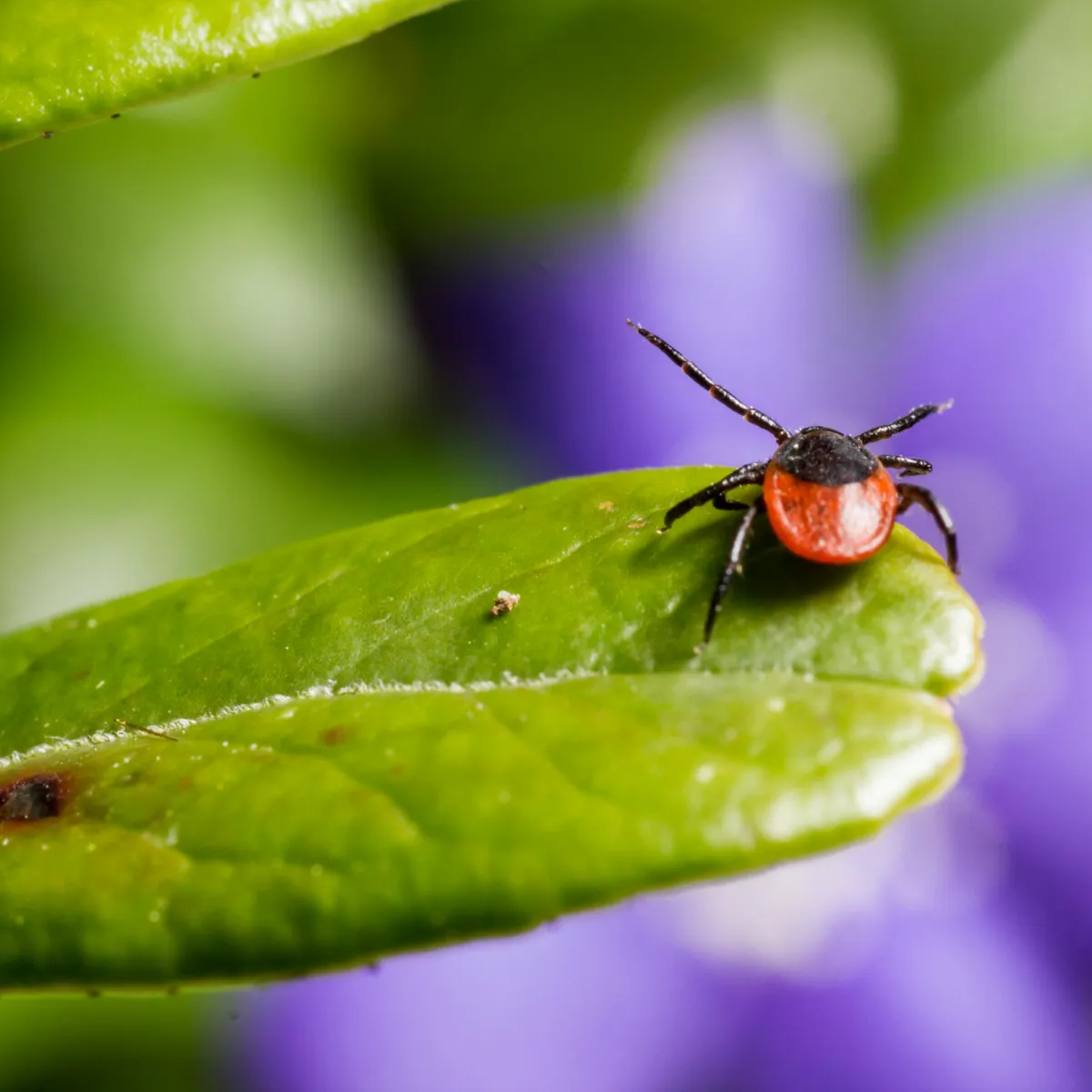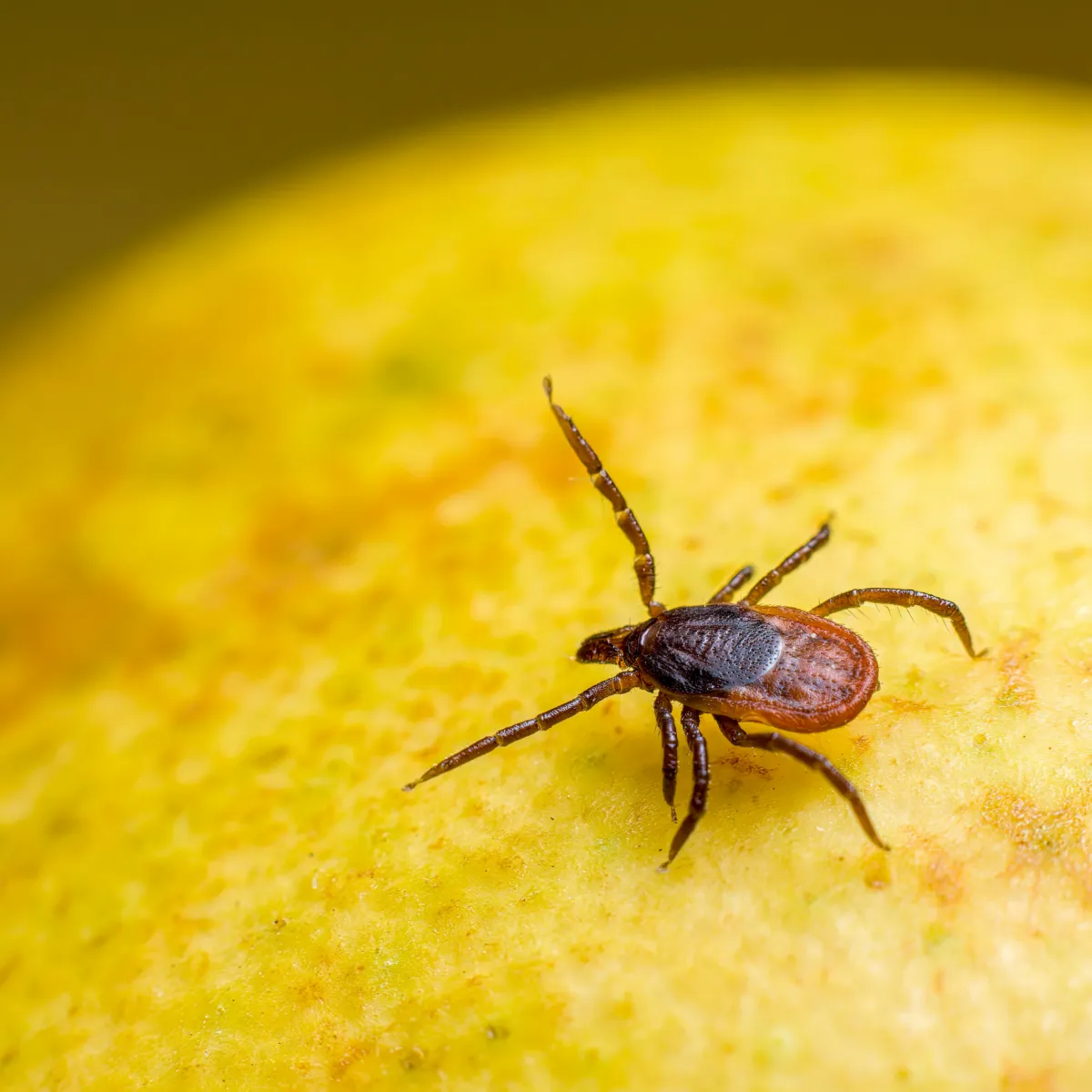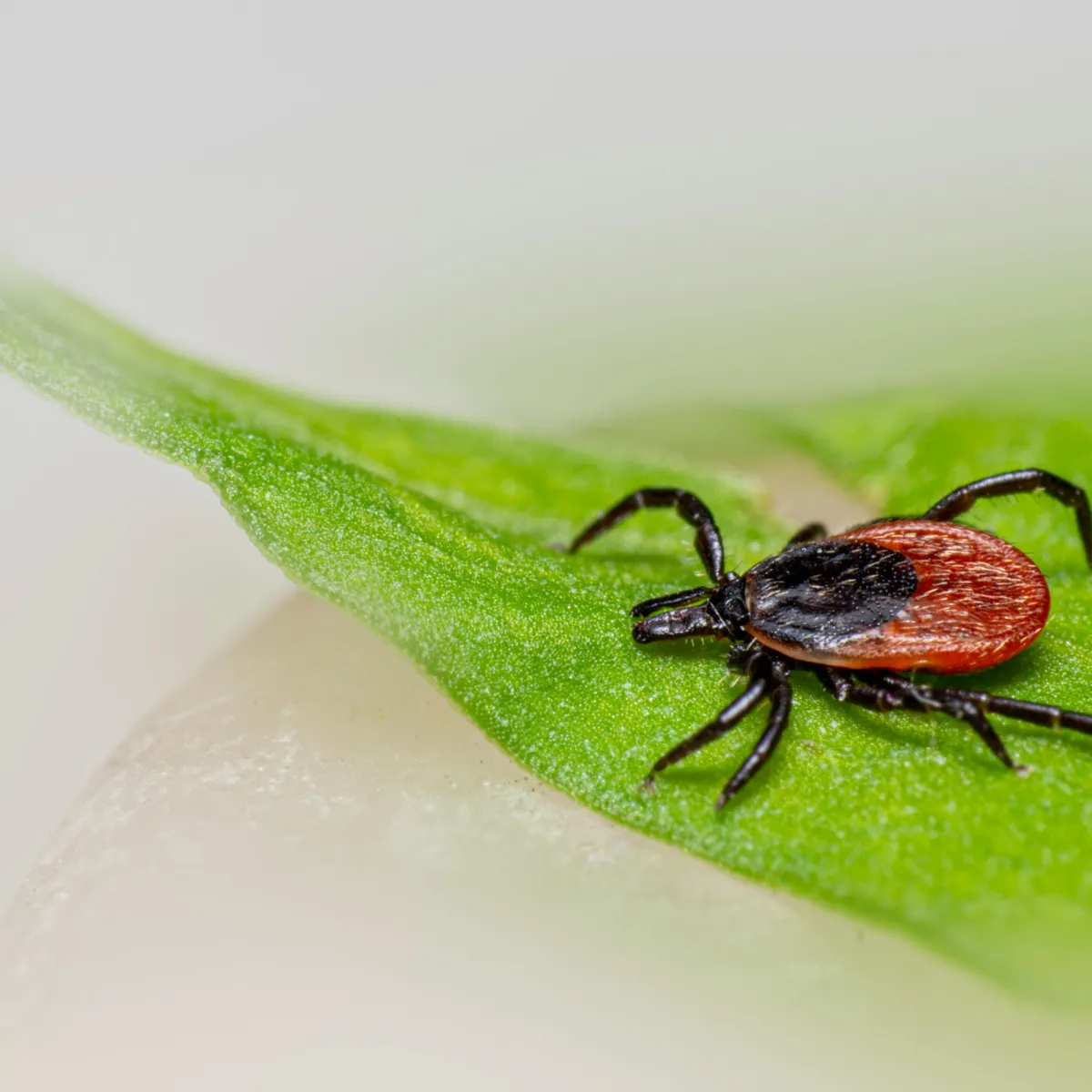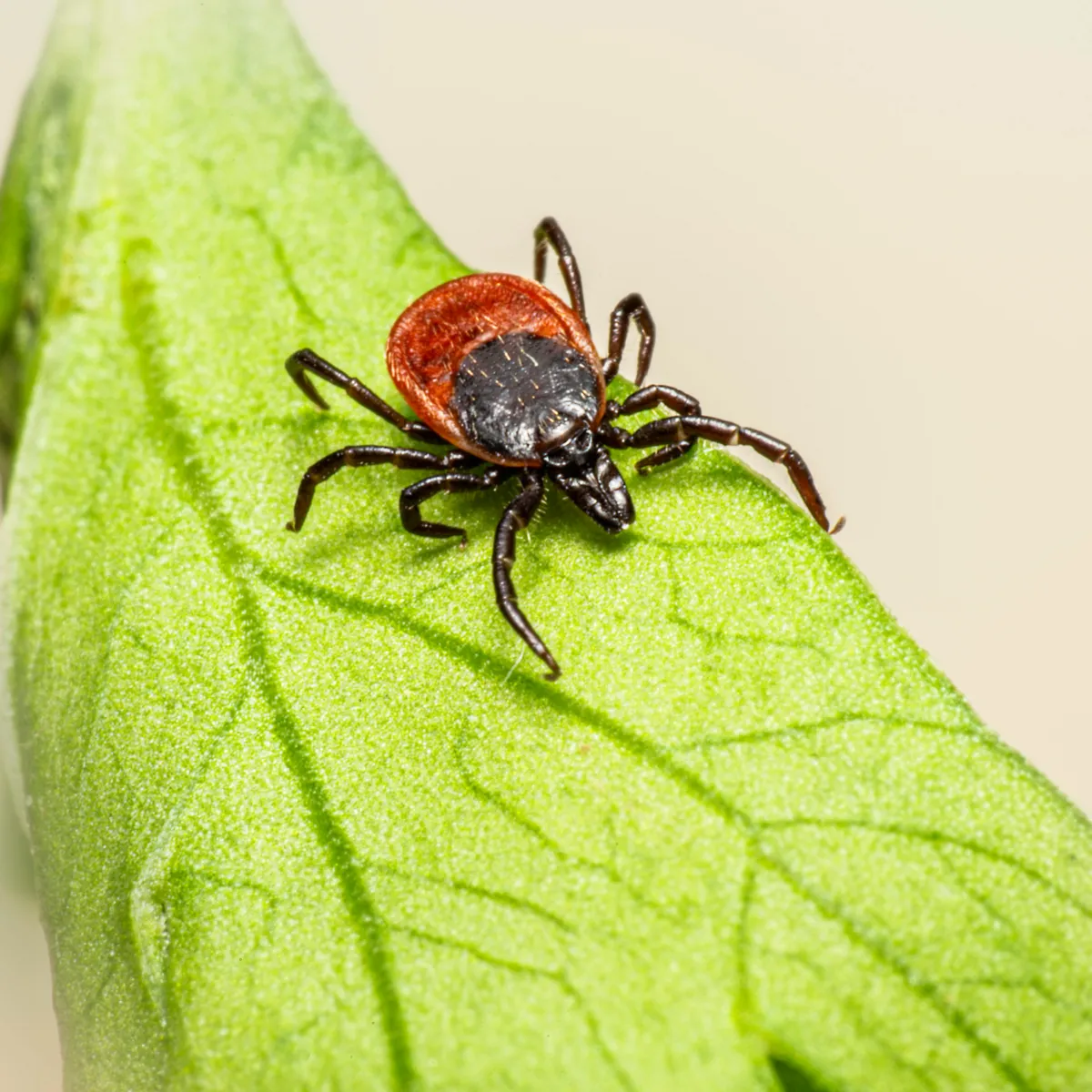
The same repeated yard problem usually starts where the lawn quietly stops behaving like the rest of the lawn.
In Foley, a property can look inviting and well kept while still holding a few sections that remain more supportive than everything around them. That may be a patio bed edge, a strip behind a fence, a corner beneath dense shrubs, or the outside line where open turf starts blending into rougher edge growth. Those are often the spots that keep the same issue returning. TDI Green Services provides tick control in Foley, AL by focusing directly on those hidden support sections. We look at where low cover stays thick, where moisture lingers longer than it should, and where outdoor routine keeps passing close to those conditions. That makes the treatment more useful because it is built around the property’s actual behavior. Most homeowners notice the issue through pattern, not through inspection. The same outdoor route starts raising concern. The same edge of the lawn becomes the one people watch. Once the true source sections are treated directly, the rest of the yard usually becomes much easier to trust again.
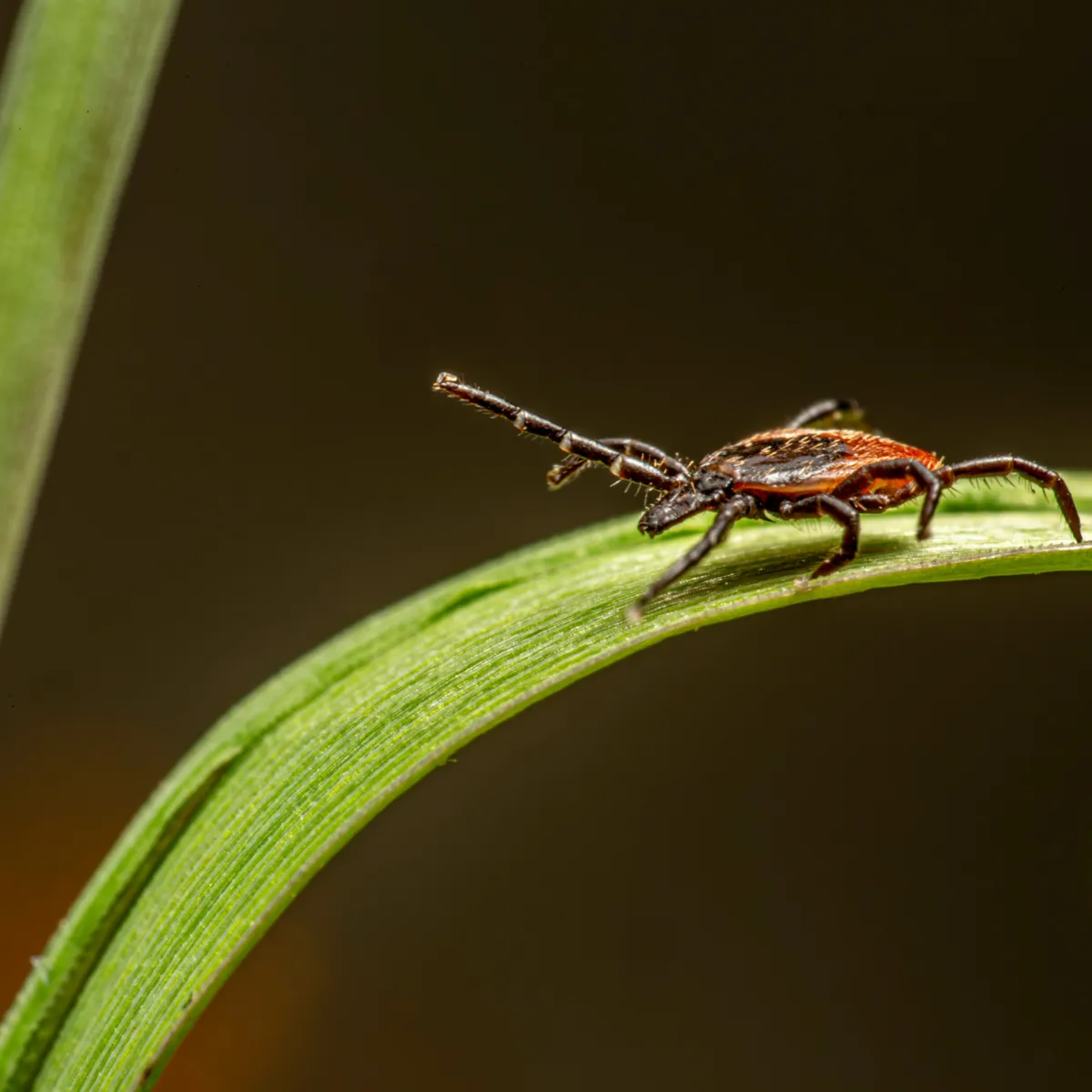
The issue tends to keep returning where the property keeps repeating the same quiet conditions.
Many Foley properties include small shifts in shade, moisture, and cover that make a big difference. One area may stay open and dry, while another remains protected because of planting lines, fences, border growth, or slower-drying soil. Those differences often explain why the same section keeps becoming a source area. That is why TDI starts by evaluating what the property is doing section by section. We study shade, retained moisture, low cover, plant density, and the paths most often used by pets and people. That helps us identify the parts of the yard acting like support zones and the nearby spaces most likely to be affected. Treatment is then directed both at the source sections and at the lawns, patios, walkways, pet routes, and edge transitions they influence. Addressing those spaces together helps reduce the hidden cause and the practical disruption at the same time.
The problem grows more frustrating once it reaches the spaces that should feel easiest to enjoy.
We begin by identifying how the yard behaves in real conditions. Shade, moisture retention, low cover, plant density, and regular traffic patterns all help reveal the areas most likely supporting repeat activity.
Treatment is directed to the sections most likely to keep the issue active, including border strips, bed edges, fence lines, damp corners, and quieter yard zones where shelter stays thick near the soil.
After the likely support zones are treated, we extend coverage into the spaces most closely tied to normal outdoor routine, including lawns, patios, walkways, pet paths, and gathering areas.
Because the same sections can become favorable again with weather and seasonal change, continued service helps keep the property from rebuilding the same issue later in the year.
The biggest improvement usually comes when the yard feels simple again instead of needing a strategy every time someone steps outside.
Tick control matters because the yard is part of normal life. Once one route, one border, or one side section starts causing repeated concern, that discomfort spreads beyond the source. The property stops feeling simple in the way it should. In Foley, it often takes only a few support sections to create that shift. A damp outer edge, a dense bed line, or a protected strip beside the lawn can be enough if those conditions keep staying favorable. The whole property does not need to look difficult for the same concern to keep showing up in daily use. That is why treatment matters. It helps reduce the hidden source sections instead of leaving homeowners to keep reacting to each new repeat. Once those areas are managed, the yard often starts feeling much more natural to use again.
The strongest source sections are often the ones where the yard keeps a little more shelter close to the ground than anywhere else.
Ticks usually hold in the parts of the yard where shelter remains reliable near the soil. Around a home, that often includes border grass, bed lines, fence strips, shrub bases, and the points where maintained lawn begins turning into rougher cover. Those sections usually stay favorable longer than the open middle of the lawn. Other small areas can matter too. The strip beside a garage, the line behind a storage structure, the base of privacy planting, or the edge of a side yard can all become support zones if they keep enough cover and moisture in place. These are the kinds of sections homeowners often underestimate because they do not seem large or dramatic. Pets often make those sections more important because they revisit them constantly. A familiar route near a fence or bed edge keeps bringing the source area close to the parts of the property used most often.
The smartest treatment plan starts with the support sections before they keep producing the same result again.
Tick prevention matters because outdoor routine usually runs right beside the hidden support zones. Dogs repeat the same routes every day, often along borders and protected strips. Children cross from lawn to patio to open space without noticing which nearby edge is holding the wrong conditions. That is how one quiet support section can affect the whole property. TDI helps reduce that overlap by treating both the likely source sections and the routes and spaces they affect most directly. When the lawn edge, pet path, patio border, and nearby problem areas are all treated together, the yard becomes easier to use without the same repeated concern.
Seasonal changes reshape the property, but the most protected areas usually keep their importance through all of it.
Spring often gets the pattern moving because border lines, bed edges, and shaded corners fill in quickly and hold more moisture before the rest of the lawn changes much. Summer often narrows the issue into the most sheltered parts of the property. Open turf may dry out, while dense planting lines and lower-airflow strips continue holding supportive conditions. Fall can keep the same sections active by adding debris and changing how evenly the yard dries. Already-protected edges often stay favorable once leaf buildup starts. Rain usually reveals the strongest support zones most clearly. If one strip or corner remains damp longer than nearby lawn, that section usually deserves the closest attention.
The best service plan reflects what the yard repeatedly does, not what a generic lawn plan assumes.
TDI is a strong choice for tick control in Foley because the service is built around the sections most likely to keep recreating the same issue. We focus on where the property stays favorable, how those areas affect routine outdoor use, and what is most likely to keep returning if they are left untreated. That property-specific approach helps create a plan that feels more practical to the homeowner. By treating the hidden support sections and the outdoor spaces connected to them, TDI helps build a more dependable level of control.
The best prevention work usually begins in the same hidden places the yard keeps protecting without help.
Keep grass trimmed along borders and outer strips where low cover tends to build fastest. Remove leaves, loose debris, and extra shelter from bed edges, fence lines, and slower-drying corners that stay more protected than nearby turf. It also helps to watch where pets move closest to dense planting and which sections remain wet longest after rain. Those clues usually identify the areas that need the most attention between treatments.
A targeted treatment can make the biggest first difference when one yard section clearly keeps carrying the same issue.
A one-time treatment can be a useful option when the concern seems centered in one obvious section of the property. That may be a patio bed edge, a fence strip, a shaded lower corner, or a pet route beside a dense border. For some properties, that direct response may be enough to improve the way the yard feels. For others, it becomes a useful starting point before deciding whether the property has broader support conditions that are likely to need a recurring plan.
If the same sections keep rebuilding the same pressure, recurring treatment usually gives the stronger long-term result.
Recurring service is often the better fit when the same protected areas remain favorable throughout the season. If the same borders, damp edges, and denser planting lines keep holding the wrong conditions, the same concern is much more likely to return unless those sections stay under regular attention. That kind of steady service helps the property stay more manageable and much less likely to cycle back into the same repeated problem.
A lot of nearby yards share the same hidden support patterns even when the visible landscaping looks very different.
TDI provides tick control in Foley and surrounding Robertsdale-area communities where many yards share similar conditions, including mixed shade, dense border sections, slower-drying strips, and protected outer edges. TDI already has a live Foley city page under the Robertsdale location hub.
The best first answer usually begins with the section of the yard that keeps repeating itself most consistently.
When hidden yard conditions keep bringing ticks back, the next step is treating those areas with a plan built for your property. Reserve your service or ask TDI Green Services for a tick control quote today.