Spider activity grows where shelter and insects stay consistent
Spider problems around a home in Foley often start as something easy to dismiss. A web shows up near the porch light. Another turns up in the garage. Then one morning there is a spider in a corner that was clear a few days ago. After that, the pattern becomes harder to ignore. The issue is not just one spider. It is the feeling that spiders are finding too many places around the property to settle in.
Spider pressure usually builds before it feels obvious. The first signs are often easy to shrug off. In Foley, warm conditions, steady humidity, sheltered exterior spaces, and regular insect activity create the kind of environment where spiders tend to stay active for long stretches. That is why webs start building around eaves, entryways, garages, patios, storage areas, and landscaping instead of disappearing on their own.
Professional spider control matters because the problem is rarely limited to what is visible in the moment. Treatment needs to address where spiders are hiding, where they are nesting, and what is helping them stay active around the structure in the first place.
TDI Green Services provides spider control for homes and commercial properties in Foley with inspections, targeted treatments, web removal, and prevention-focused service designed to reduce current activity and help keep it from building back up.
Get ready for summer with our limited time offer!
Enjoy your yard this summer by treating mosquitos early in the season. Schedule your service today!
Only $39.95 for your first service
What you keep seeing is usually only part of it
Brown widows are light to dark brown with mottled markings and long thin legs. They are venomous and taken seriously, though they are generally less defensive than black widows. They often stay hidden around patio furniture, outdoor storage, play equipment, fencing, and sheltered utility areas. Their activity is most noticeable during warmer periods when exterior webbing increases. They can pose a risk to people and pets if disturbed in hidden areas. Their egg sacs are commonly found attached within irregular webs in quiet exterior corners.
Black widows are shiny black spiders with a red or orange hourglass marking beneath the abdomen. They are one of the most concerning spiders in the region because of their venom. They prefer protected, low-traffic spaces such as garages, crawl spaces, sheds, wood piles, low deck areas, and outdoor storage zones. In warmer seasons they are easier to notice, though they can remain active year-round in sheltered areas. Their risk to people and pets rises when they are disturbed unexpectedly in tucked-away places. They commonly nest low to the ground in undisturbed exterior locations.
Wolf spiders are large, fast, and usually brown, gray, or earth-toned with a hairy appearance. They are nuisance spiders more than dangerous spiders, but their size makes them unsettling indoors. Instead of sitting in webs, they roam and hunt, which is why they are often seen moving across floors, garages, patios, and foundation edges. Activity is common during warm months and after weather changes. They do not present a major medical concern for most people or pets, though bites can happen if handled. They usually hide at ground level rather than building large visible webs.
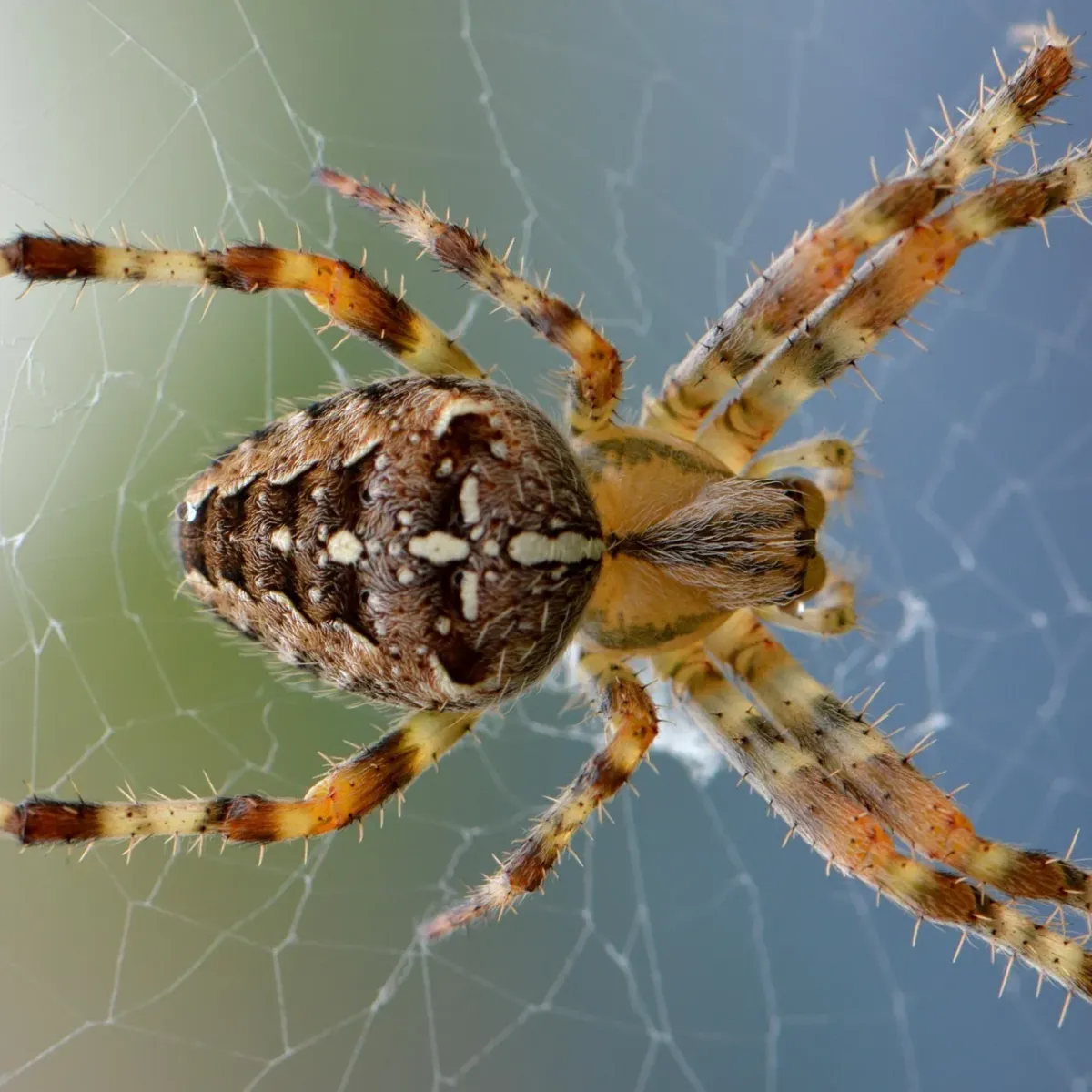
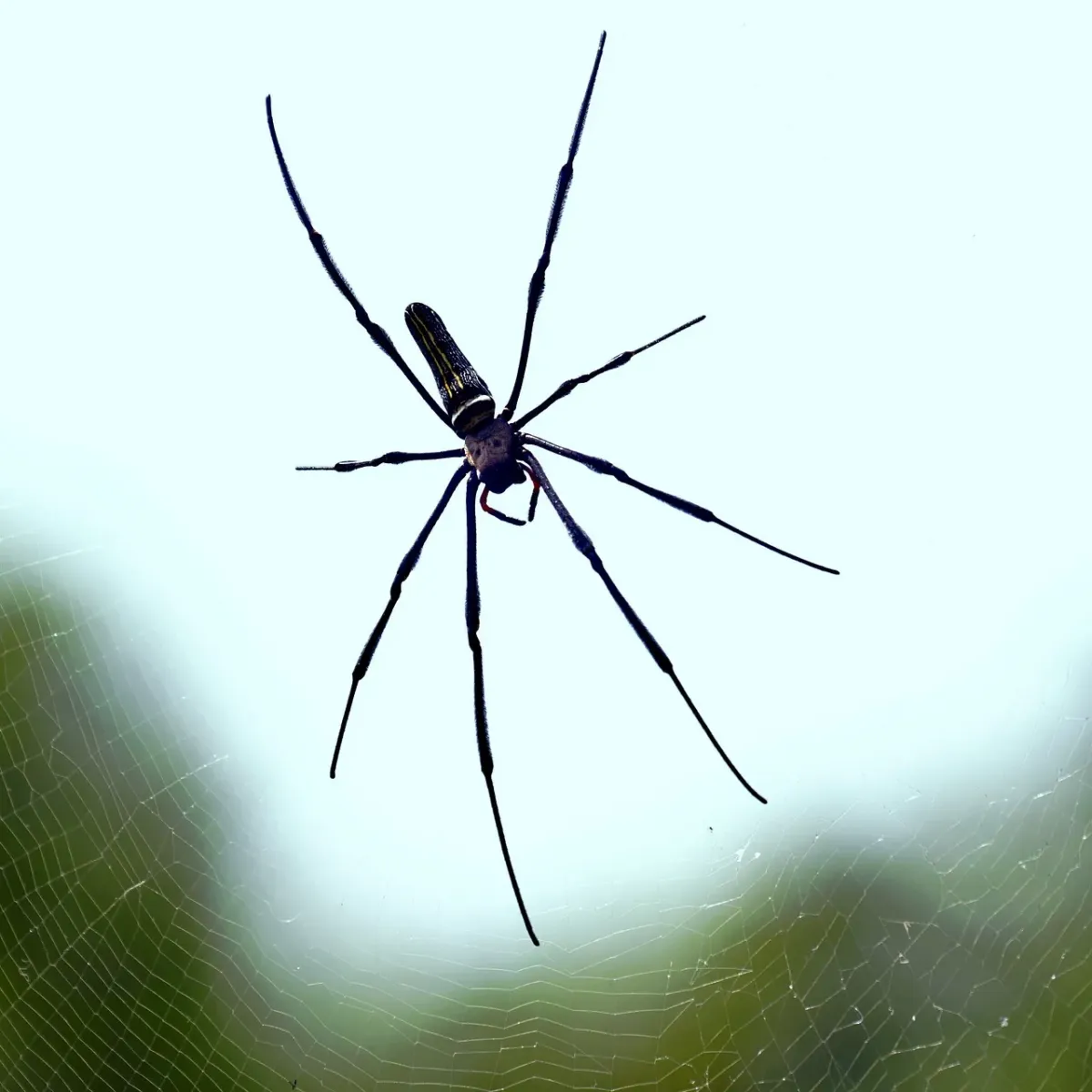
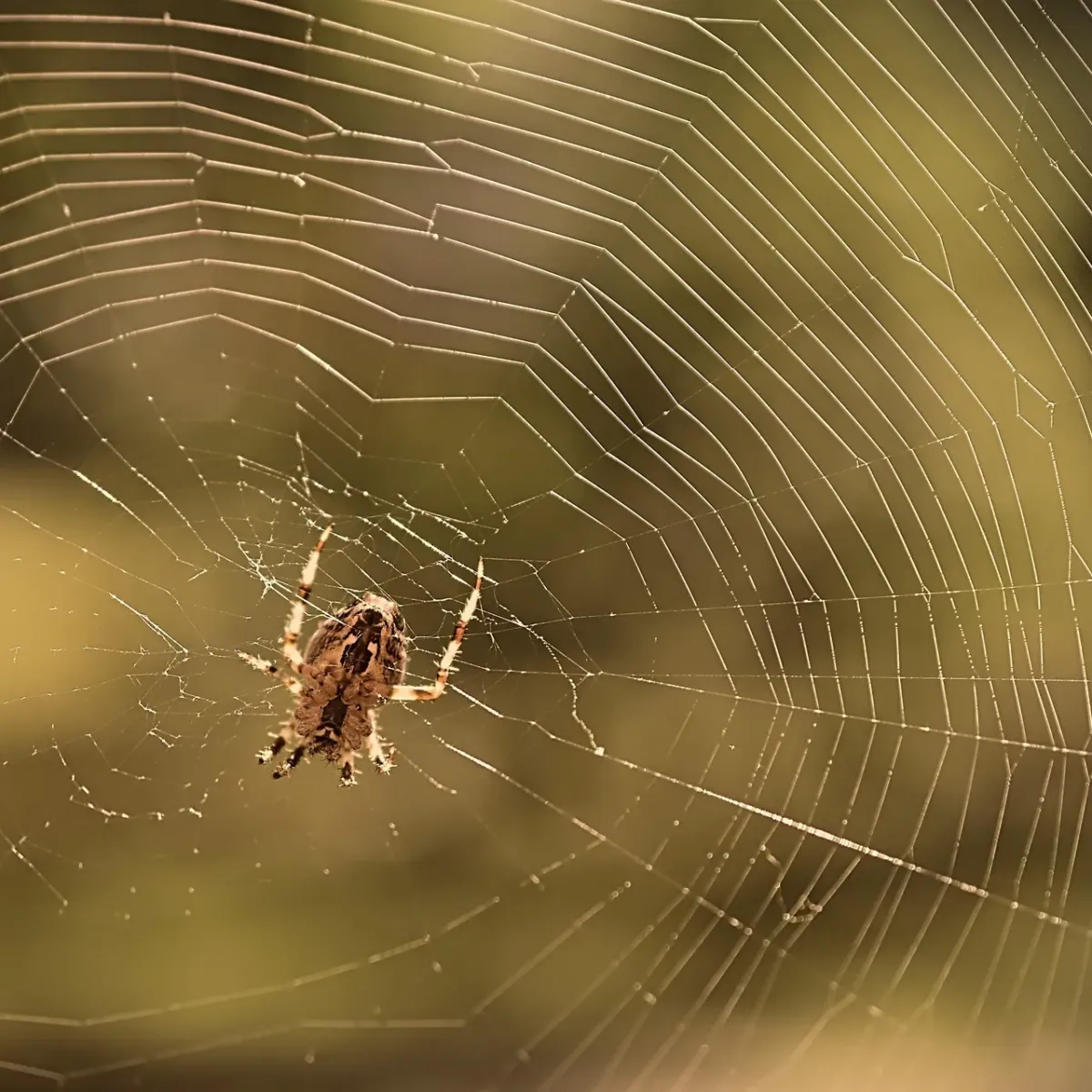
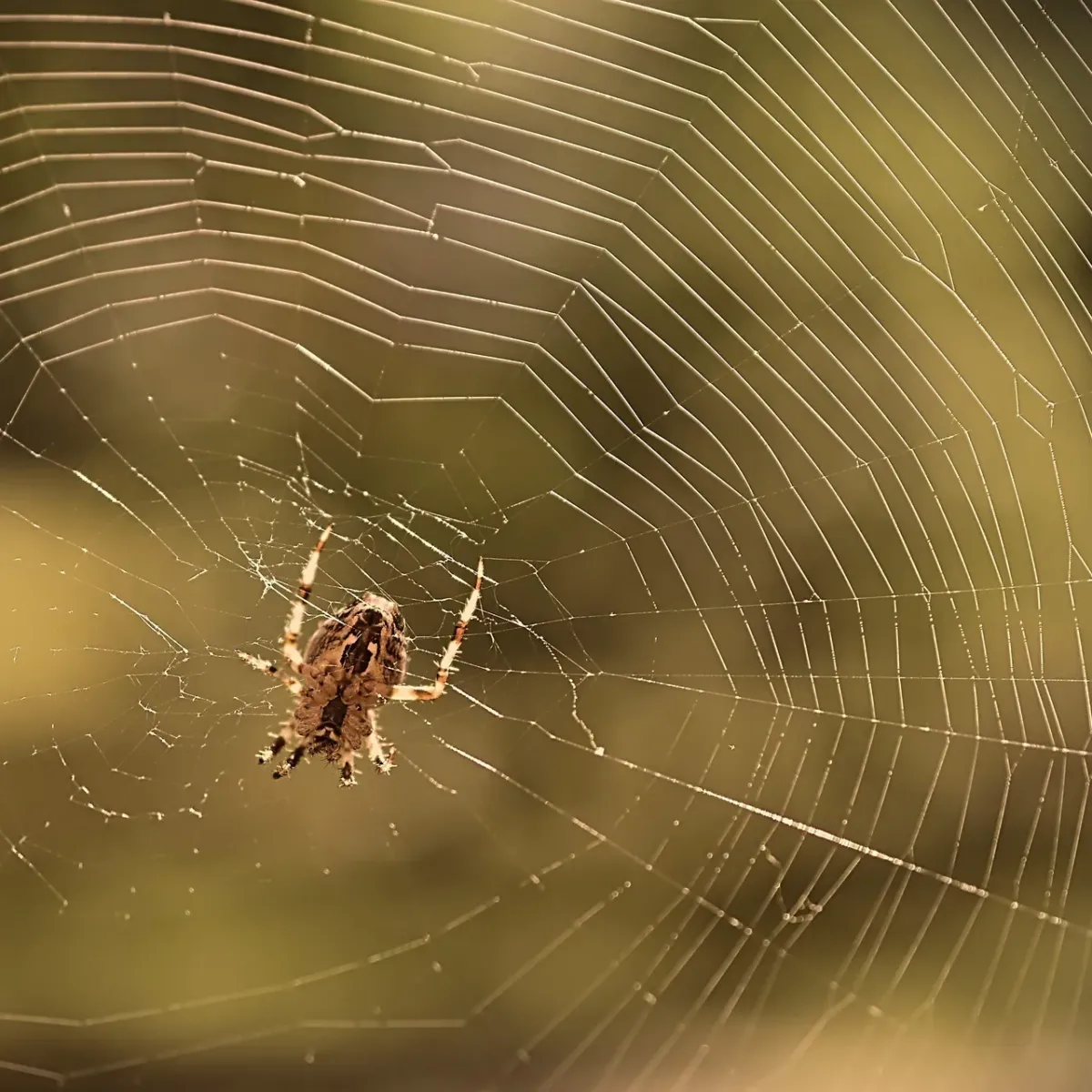
Orb weavers are the outdoor web-builders known for large circular webs. They can be orange, brown, yellow, or patterned depending on the species. They are nuisance spiders, not a major danger, but they are a frequent frustration around porches, decks, eaves, shrubs, lighting areas, and walkways. Their activity peaks when insect availability is high. Risk to humans and pets is low, but the webbing can become a persistent annoyance around active exterior spaces. They commonly nest between plants, fences, porch rails, and roofline corners.
Huntsman spiders are broad-bodied, flat-looking, and long-legged, often appearing larger than expected when stretched across a wall or ceiling. They are mainly nuisance spiders, though their size and speed can make them especially unsettling. They often hide in garages, sheds, attics, under stored items, and in crevices around exterior structures. Warm conditions keep them active, but they can show up indoors whenever shelter and prey pull them inside. Their bites are not common but can be painful if they are trapped or handled. They usually rest in hidden spaces instead of building thick visible webbing.
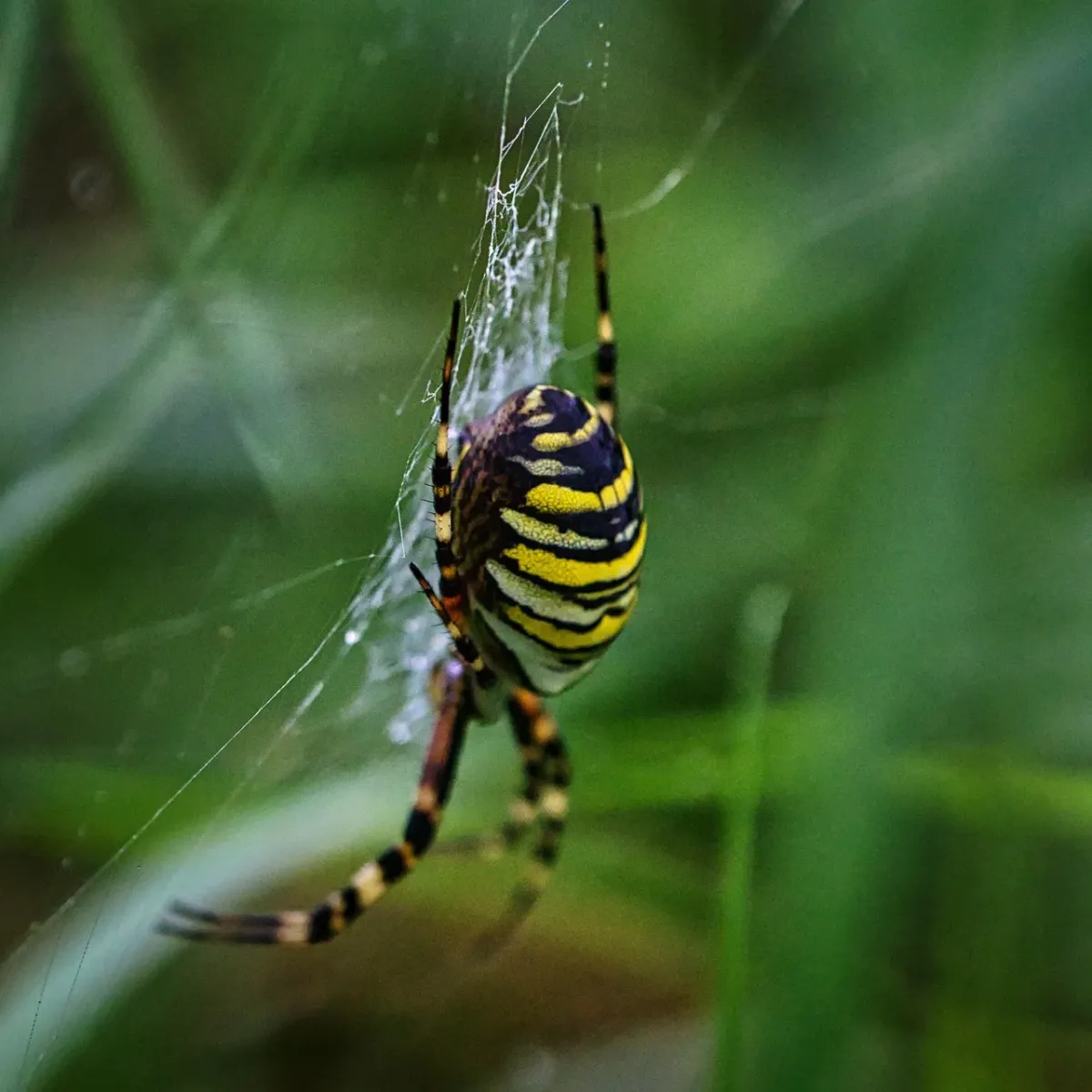
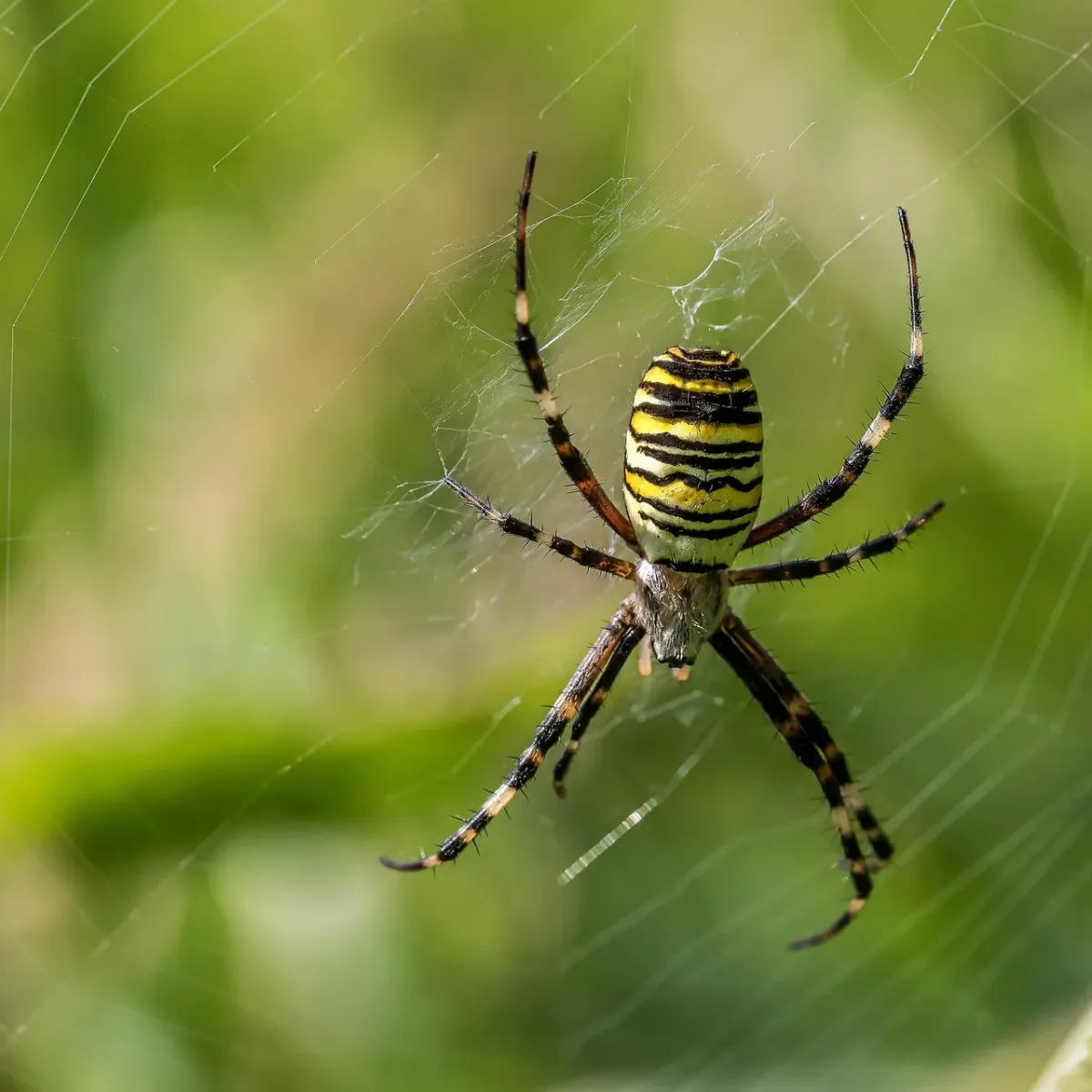
Garden spiders often show bold markings in black, yellow, orange, or brown and are commonly found building webs around landscaping. They are not considered medically significant, but they become bothersome when webbing appears around beds, paths, patios, shrubs, and decorative plants. They are most visible during warmer months when outdoor insect pressure is high. Risk to humans and pets is low, but their webs can quickly become a repeated issue in frequently used outdoor areas. They usually nest in taller plants, shrubs, fencing, and garden edges.
Repeated webbing usually means the area is supporting them
Spider webs are one of the clearest signals, especially when they keep reappearing in the same parts of the property. If webs return around rooflines, garage corners, windows, storage spaces, porch ceilings, or attic access points, that usually suggests more than occasional spider activity. More frequent indoor sightings are another common sign.
Other indicators include egg sacs hidden in corners or attached to webbing, dead insects caught in webs, shed skins, spider droppings in active areas, and continued spider sightings even after DIY sprays. When those signs start showing up together, the problem is usually more established than it first looked.
Spiders stay where access and food remain easy
Spiders enter buildings because the structure and surrounding property give them something useful. Food is one of the biggest reasons. When insects are active around lights, windows, garages, and damp areas, spiders tend to follow. They also move toward shelter, protected corners, and quiet spaces where they can build webs or lay egg sacs.
In Foley, warmth, moisture, rain shifts, and vegetation close to the structure can all increase spider pressure. Dense landscaping, foundation gaps, damaged screens, exterior clutter, and low-disturbance storage areas all make it easier for spiders to stay close to the home. Once those conditions line up, spider activity tends to spread rather than stay isolated.
Their hiding spots are usually the places least disturbed
Spiders prefer areas that stay sheltered, quiet, and close to food. Inside the home, that often means attics, garages, basements, closets, crawl spaces, ceiling corners, under furniture, and storage zones that do not get much movement.
Outside, common hiding places include sheds, wood piles, under decks, roof eaves, dense vegetation, foundation cracks, stacked materials, patio furniture, and corners around utility equipment. Once those areas start holding webs or egg sacs, spider activity often expands outward from there.
Good control works best when every step has a purpose
Spider control is more effective when it follows a structured process. TDI Green Services uses a clear sequence designed to identify active areas, treat the right locations, and reduce the conditions that allow spiders to keep returning.
We begin by identifying likely spider species, locating entry points, finding nesting zones, evaluating moisture conditions, and noting insect activity that may be providing a food source.
Treatment may include targeted applications, exterior perimeter spraying, web removal, egg sac removal, crack and crevice treatments, residual treatments in active zones, and interior spot treatments where appropriate.
We then focus on reducing the conditions that support future activity. That may include recommendations for sealing gaps, managing moisture, trimming back vegetation, reducing clutter, and addressing areas where insects are building up.
Ongoing inspections, seasonal service plans, follow-up visits, and re-treatment when needed help keep spider pressure from quietly rebuilding after the initial service.
Spider patterns change with the season around them
Spring
Spring usually brings increased insect populations, more web-building outdoors, and the beginning of stronger spider breeding activity. It is often the first time homeowners notice activity building around exterior areas.
Summer
Summer is commonly the busiest spider season. Warmth, humidity, and strong insect availability support heavier webbing outdoors and more active nesting around structures.
Fall
As weather patterns change, more spider activity shifts toward protected areas. Fall often brings more sightings in garages, attics, storage spaces, and around entry points as spiders follow shelter and changing insect movement.
Winter
Winter does not always mean spiders disappear. Indoor sightings can continue in attics, basements, garages, and other quiet spaces where conditions remain favorable enough for activity to continue.
A visible spider is not always the actual problem
Most DIY products only address the spiders people can reach. That means visible spiders may die, but egg sacs survive, hidden nesting areas stay active, and the insects feeding the problem remain in place. That is why spider issues often seem better briefly and then return.
Professional spider control works better because it addresses where spiders are living and how they are using the property. Residual applications, targeted treatments, web and egg sac removal, and prevention steps all work together to provide better control than one-step store products.
Prevention is easier than chasing the same problem again
Seal cracks and openings around windows, doors, utility penetrations, and foundations. Replace damaged screens. Clear clutter from garages, attics, and storage spaces. Move wood piles away from the house. Trim vegetation back from the structure and remove webs quickly when they appear.
It also helps to vacuum regularly, manage moisture issues, reduce insect-heavy lighting pressure outside, and keep quiet storage corners from becoming undisturbed hiding places. Spider control is easier when the property offers fewer places for them to settle.
Treatment should work around the way people use the space
TDI Green Services uses licensed technicians and state-certified applicators to perform spider control with safety in mind. Treatments are planned to be effective while still considering the daily use of the property by families and pets.
That includes careful application methods, pet-conscious planning, and clear post-treatment guidance. When appropriate, treatment options may also reflect a more environmentally mindful approach without losing sight of spider control goals.
Local service matters when seasonal spider pressure keeps returning
Spider activity is easier to control when the company treating the property understands the local conditions driving it. TDI Green Services provides licensed and insured service, technician training, practical inspection-based recommendations, and a satisfaction-focused approach for properties dealing with recurring spider pressure.
Fast response times, local familiarity, and maintenance options also matter when the same types of webs and sightings keep returning. The goal is not simply to spray once. It is to make the property less favorable to spiders moving forward.
The most useful questions are usually the most practical ones
If webs keep returning, spiders keep appearing in the same corners, or the problem never seems fully gone, it may be time for more than a temporary fix. TDI Green Services provides spider control in Foley, AL to remove active spider pressure, reduce web buildup, and help prevent future infestations from settling back in.