Fire ant treatment for Foley lawns where the yard should feel ready for use, not full of surprises
A fire ant problem can make a lawn feel inconvenient in ways that grow over time. At first, it may be one active spot that is easy enough to avoid. Then another section of the lawn becomes a problem, and the yard stops feeling as simple to use as it should. In Foley, recurring fire ant activity can make outdoor spaces feel less comfortable even when the grass itself still looks healthy.
TDI Green Services provides professional fire ant control in Foley, AL for homeowners dealing with active colonies, repeated mound formation, and lawn areas that no longer feel comfortably usable. We inspect the property, identify where fire ant activity is strongest, and treat the yard according to how the infestation is affecting everyday use. If fire ants are making your Foley lawn feel less dependable, TDI Green Services can help. Call today, request a quote, schedule service, or check availability.

Professional help for properties where fresh activity keeps replacing the last problem area
Fire ants are especially frustrating when the lawn keeps producing new problem spots. One mound may seem under control, then a different section of the yard starts drawing attention. The result is a property that feels like it never fully settles back into normal use.
That is why professional treatment is so helpful. Fire ants are rarely just a one-mound issue once the problem gets going. The most effective response looks at the broader pattern across the yard instead of focusing only on the latest visible mound.
What usually points to a fire ant issue developing in the yard
One of the most recognizable signs is the appearance of loose, sandy mounds in warm sections of the lawn. In Foley, those mounds may become noticeable in sunny grass, exposed patches of soil, near property edges, or in other open areas where the ground stays warm. Rain often makes fresh mounds easier to notice.
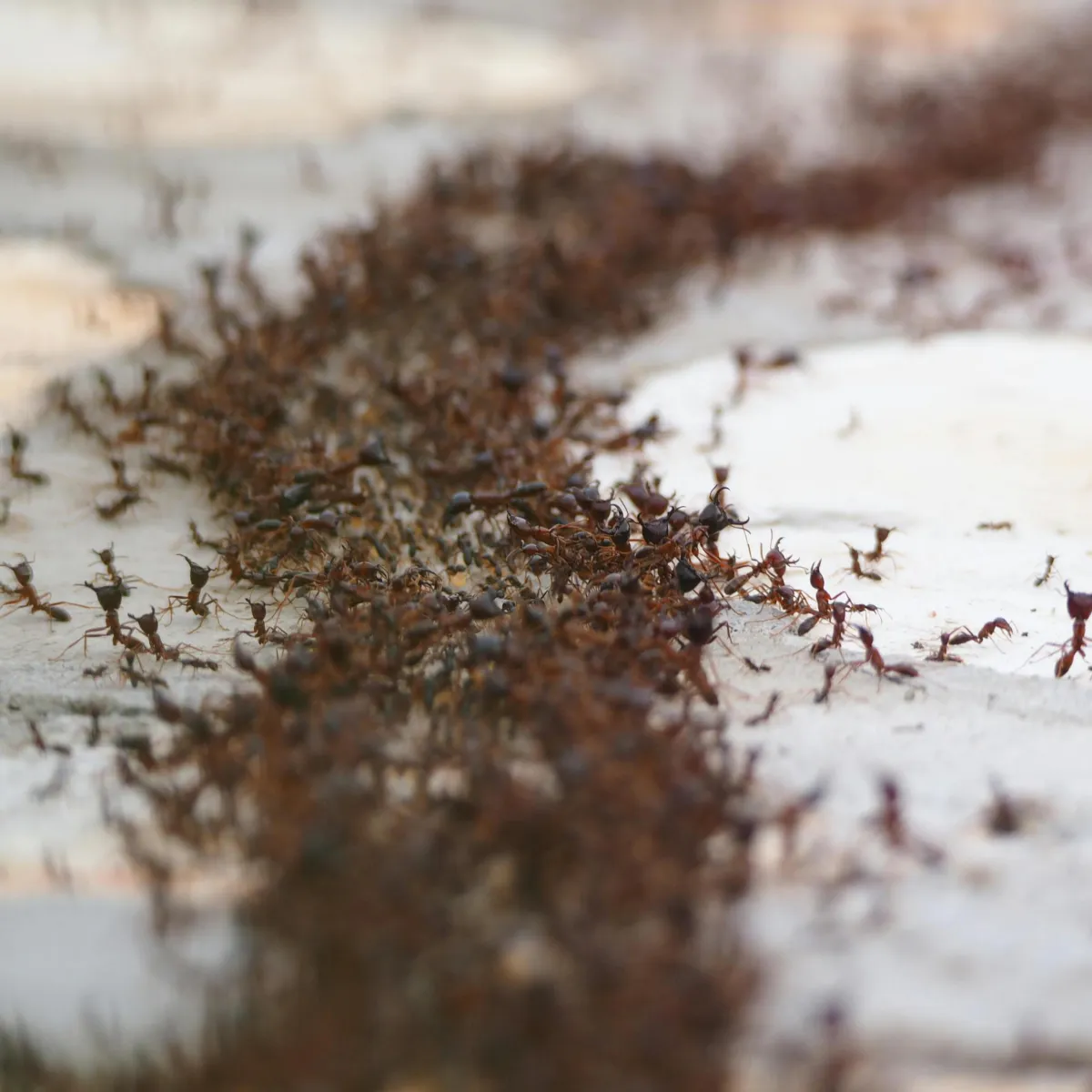
Other signs include reddish-brown ants swarming rapidly after a mound is disturbed, repeated stings during ordinary outdoor routines, and fresh mound formation in different parts of the property over time. Some homeowners first recognize the issue because a section of the lawn never seems to stay convenient to use for long.
Why fire ants can make everyday outdoor use feel more complicated than it should
Fire ants matter because they turn familiar parts of the yard into places people stop trusting. A homeowner can be moving through the lawn, doing basic cleanup, carrying something to a car, or spending time outside with family when an active mound is disturbed. Once that happens, the ants may sting quickly and repeatedly.
Over time, that repeated risk changes how the property is used. Families begin to avoid certain parts of the lawn. Outdoor routines stop feeling simple. The yard may still look usable, but it no longer feels effortless. Fire ant control matters because it helps return that sense of ease.
What fire ants usually look like when they show up around the property
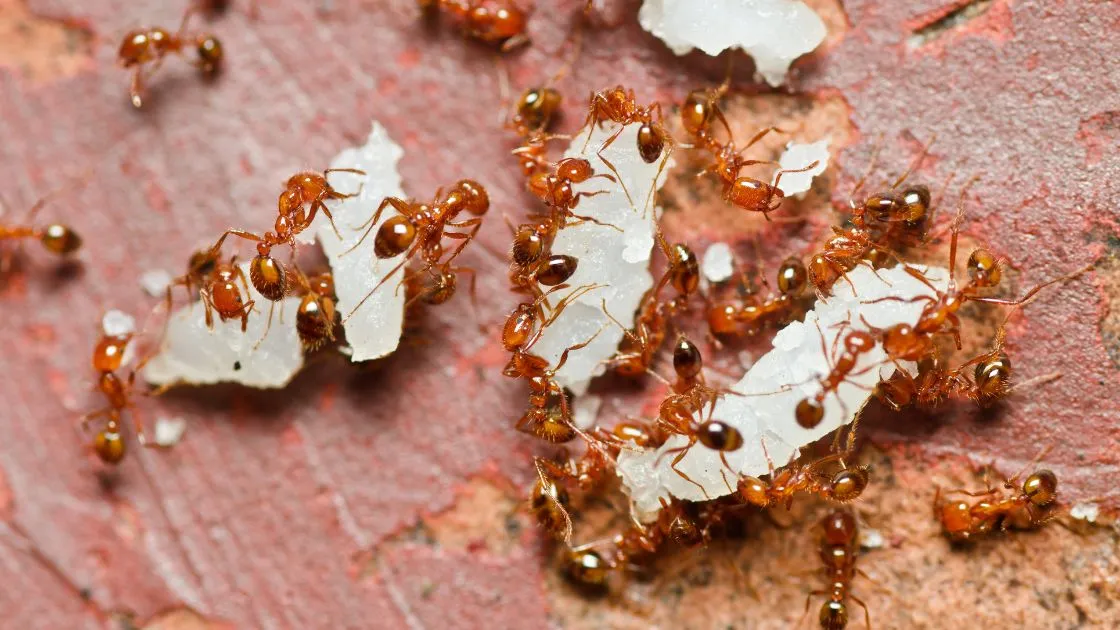
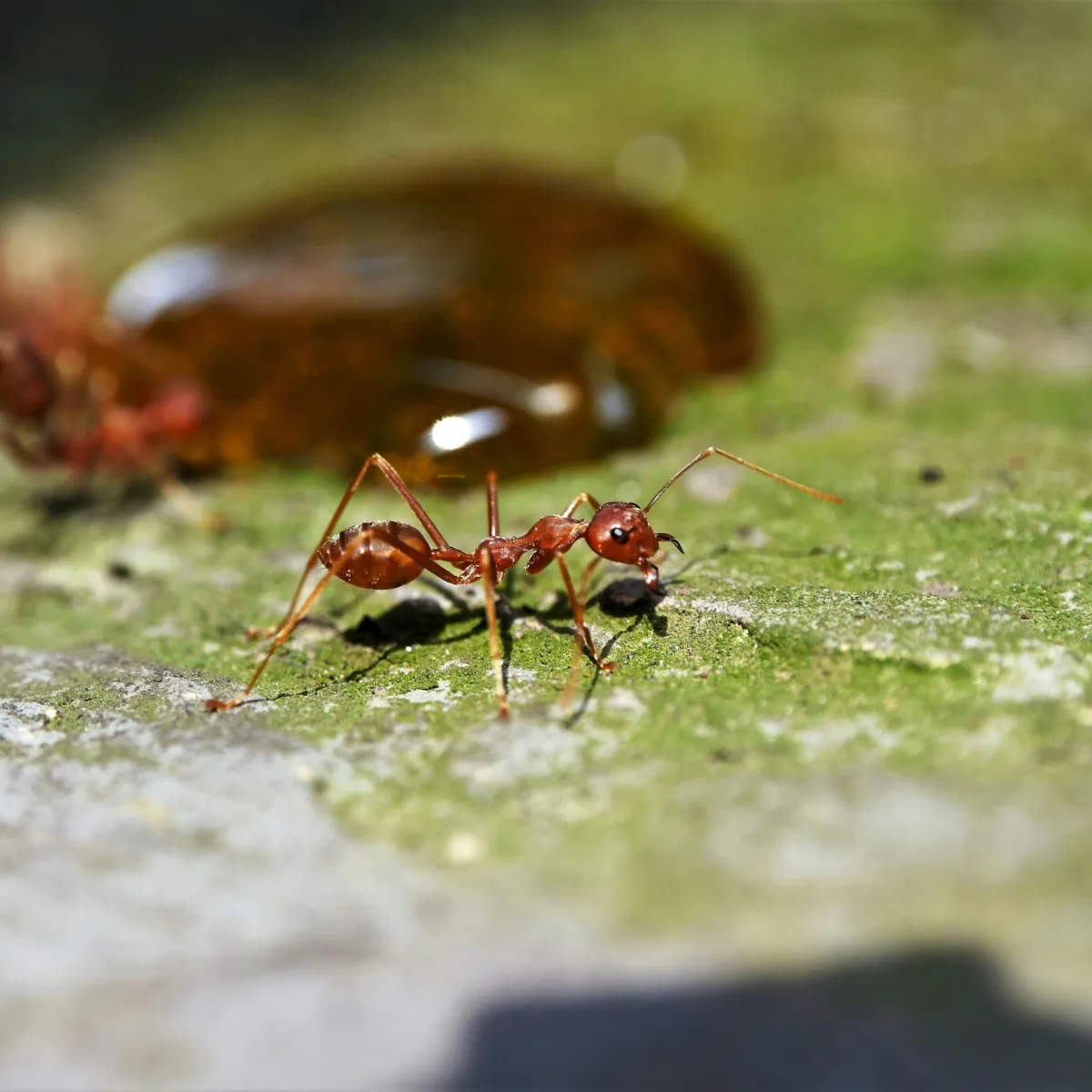
Fire ants are usually small and reddish to reddish-brown, often ranging from about 1.6 to 5mm long. Workers from the same colony can vary in size, so they may not all appear uniform.
They are commonly found in sunny lawn areas, exposed soil, around driveways, near sidewalks, and along the edges of regularly used outdoor spaces. Their fast, aggressive response after disturbance is often one of the easiest ways to recognize them.
Why fire ants can stay active even when visible surface activity changes
Fire ants are difficult to get rid of because the visible mound is only one part of the colony. Most of the infestation remains underground, where quick home treatment may not reach deeply enough to stop future activity. Some colonies may also involve multiple queens, which can make the population harder to eliminate.
Heat, rainfall, lawn moisture, and feeding behavior also influence how well a treatment performs. That is why the lawn can appear quieter for a while without the problem truly being gone.
How our service is structured around the way the infestation is affecting the yard
Our service begins with an inspection of the lawn, visible mound activity, and the sections of the property where fire ants are disrupting normal use. That helps us determine whether the issue is concentrated in a few obvious trouble spots or spread more broadly.
After the inspection, we treat active mounds and the surrounding lawn areas associated with that activity. The goal is to reduce current fire ant pressure and help prevent further mound formation from continuing to disrupt the yard. Depending on the level of activity and how the property responds, follow-up or monitoring may also be recommended.
Treatment choices built around how the lawn is actually showing the problem
Some Foley lawns may need broader treatment because visible mound activity suggests wider fire ant pressure across the yard. In those cases, a broadcast application may make sense because it addresses more than just a few isolated mounds.
Other lawns may be better suited to direct mound treatment when the issue appears more concentrated. In some situations, a bait-based method may be part of the treatment plan, while in others direct applications to the most active areas may be more effective. Certain lawns may also be good candidates for mound drench treatment.
Why repeating the same DIY approach often leaves the problem unresolved
DIY fire ant treatment often feels useful in the beginning because something visible happens quickly. The mound changes, the surface looks calmer, and the lawn may seem improved for a short while. The problem is that this often does not last if the deeper colony remains active.
Professional treatment is usually more dependable because it is selected with the property conditions, infestation level, and treatment limitations in mind. Instead of repeating one short-term effort after another, homeowners get a more complete response.
When fire ants are usually most noticeable in the yard
Fire ants are generally easiest to notice during warm weather, especially in sunny lawn areas where the soil stays favorable for mound activity. Their presence often becomes more obvious during warmer months, and fresh mounds may stand out especially clearly after rainfall.
During very hot weather, visible movement at the top of the mound may seem lighter at times, but that does not necessarily mean the colony is inactive. Fire ants may still remain active below the surface.
What homeowners should know about returning to the yard after treatment
Fire ant treatment should always be applied according to label directions, and homeowners should receive clear guidance about when treated lawn areas can be used again. That matters because families need to know when the yard is ready for normal activity.
Depending on the treatment used and the condition of the lawn at the time of service, treated areas may need to remain off-limits until the application is dry or otherwise settled. Clear re-entry guidance helps make the process more manageable.
Why Foley homeowners choose TDI Green Services for fire ant control
Foley homeowners choose TDI Green Services because they want more than another temporary response to recurring mound activity. They want a service that evaluates the yard, explains where fire ants are active, and recommends treatment based on the actual behavior of the infestation.
We provide inspection, treatment planning, and straightforward scheduling for homeowners who want a more dependable path forward. For yards where fire ants keep changing how outdoor space gets used, TDI Green Services offers a stronger response.
Questions Foley homeowners often ask about fire ants in the lawn
Your yard should feel ready for normal outdoor life again, not like it keeps developing one more place to avoid.
Schedule professional fire ant service with TDI Green Services and book treatment for your Foley, AL lawn today.