For Fairhope lawns that need more than routine mowing to stay full, clean, and healthy.
In Fairhope, a lawn has a lot going on at once. Some yards sit in full sun and push hard through the warm season. Others spend half the day under mature tree cover and never quite dry out the same way. One side of the yard may look thick and green, while another starts thinning near the driveway, under the live oaks, or along the back edge where moisture hangs around longer after rain.
That is part of what makes lawn care here tricky. It is not always one big problem. It is usually a mix of smaller ones that start stacking up. The grass gets thin in one area. Weeds start filling in around it. The soil stays packed down in the busiest parts of the yard. Then summer heat shows up, and suddenly the whole lawn looks like it is working harder than it should.
TDI Services provides lawn care in Fairhope, AL for homeowners who want real answers about what their yard needs and what is keeping it from looking better. Some lawns need help with weeds. Some need stronger soil support. Some are dealing with insects without the homeowner realizing it yet. Others just need a more consistent plan built around the way lawns actually grow in this part of coastal Alabama.
Whether the yard needs fertilization, weed control, aeration, lawn pest treatment, lime, or a better rhythm through the seasons, the goal is simple: get the lawn healthier, steadier, and easier to enjoy.
A lawn in Fairhope usually tells you what is wrong if you know where to look.
Fairhope lawns are not all dealing with the same conditions. A more open lot may struggle with heat and drying. A yard with older tree cover may have more shade, more root competition, and slower drying after rain. Some properties deal with compacted soil from regular foot traffic. Others look patchy because the grass has been slowly losing ground to weeds.
That is why we start with what the lawn is actually doing. We look at how the turf is growing, where it is thinning, how water moves through the yard, what weeds are showing up, and whether insects may be part of the problem.
A lot of lawns that look tired are really just under-supported. The grass is growing, but not strongly enough to keep up with the heat, the mowing, the humidity, and the pressure from weeds.
Fertilization helps the lawn build better color, stronger roots, and thicker turf during the active growing season. In a place like Fairhope, where the season runs long and the lawn rarely gets much of a break, that support matters. A healthier lawn holds up better through stress and has a better chance of filling in instead of falling apart in patches.
It also helps the yard compete. When the grass is thicker and stronger, weeds usually have fewer easy places to settle in.
Weeds in Fairhope do not always show up all at once. Sometimes it starts with a few patches near the curb, around the mailbox, or beside a flower bed. Then the next thing you know, they are spread across the thin parts of the lawn.
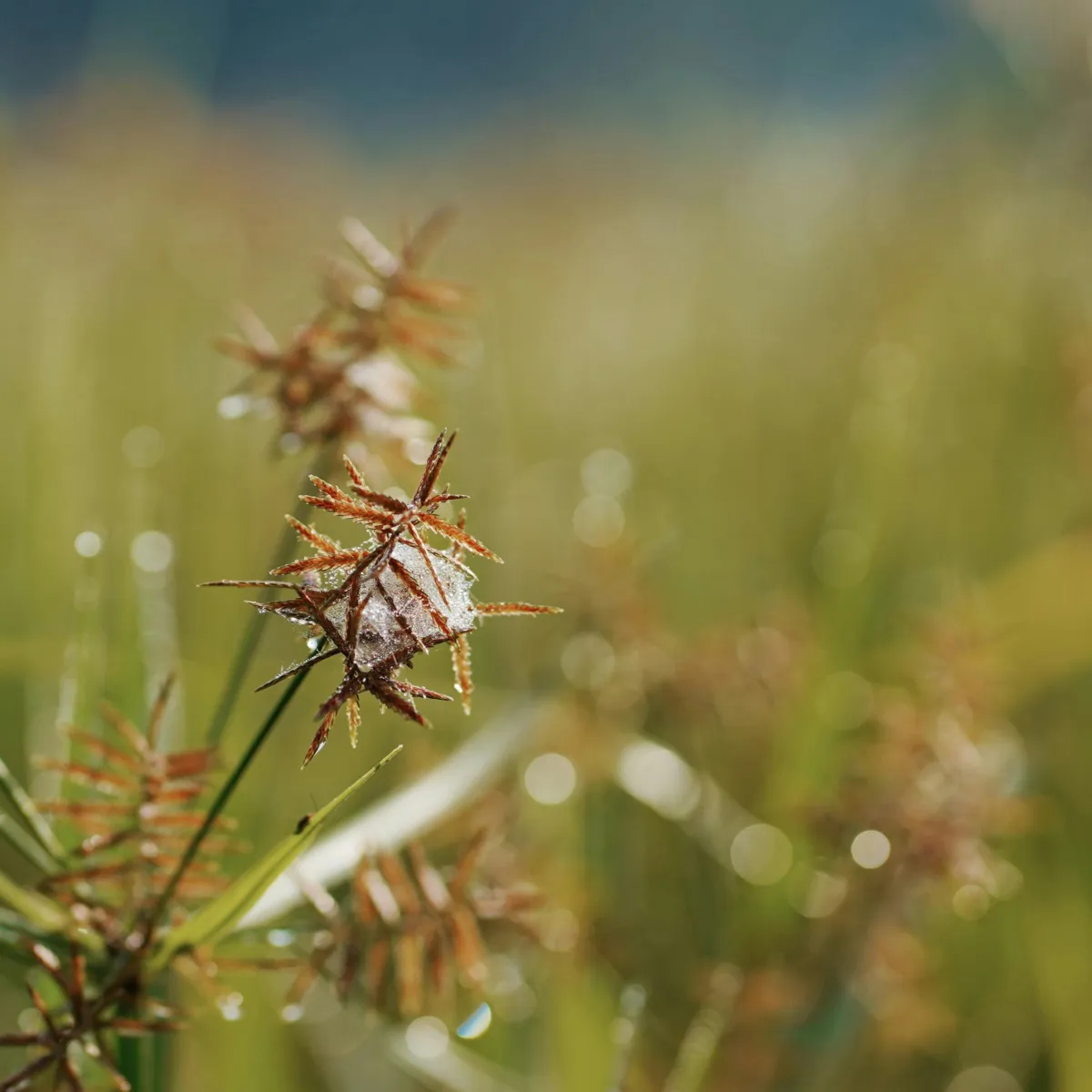
Crabsgrass tends to take advantage of sunny openings. Nutsedge shows up in wetter spots and grows fast enough to stand out almost immediately. Clover and dandelions usually move into areas where the turf has already started losing density.
We use weed control treatments that focus on both prevention and cleanup. Pre-emergent treatments help reduce certain weeds before they break through. Post-emergent treatments focus on the weeds already there. The bigger picture, though, is helping the lawn stop giving weeds so much room in the first place.
Some lawns look like they need more water when the real problem is below the surface. When the soil is compacted, water, air, and nutrients do not move the way they should. The lawn may feel hard underfoot, look thin in the same places every season, or struggle to recover even when other treatments are being done.
Aeration helps open the soil so the lawn can use what it is getting. In Fairhope, that can be especially helpful in the busiest parts of the yard, near patios, sidewalks, and outdoor gathering spaces, or in places where tree roots and traffic have made the soil tighter over time.
1f the lawn also has weak or open areas, we can help figure out whether overseeing or another thickening approach makes sense based on the turf type.
Some lawn damage looks obvious. Some does not. Insects can leave behind brown patches, thinning turf, or grass that seems dry even when watering has not really changed.
Grubs, armyworms, chinch bugs, and sod webworms can all become part of the problem in this region. The challenge is that insect damage often gets mistaken for heat stress, poor drainage, or simple decline. That is why it helps to know what is actually causing the lawn to slip before trying to fix it the wrong way.
When insects are part of the issue, earlier treatment usually means less damage and a better chance for the grass to recover cleanly.
Some lawns stay weak even when they are being fed. When that happens, soil pH may be part of the reason. If the soil is too acidic, the grass may not be using nutrients as efficiently as it should.
Not every Fairhope lawn needs lime, but on the right property, it can help the rest of the lawn program work better and make the grass respond more evenly.
Getting started should feel straightforward from the beginning.
Tell us what you have been seeing, whether it is weak color, weeds, brown patches, thinning turf, or a lawn that just never seems to stay consistent.
We review the grass, the soil, the moisture patterns, the weak areas, and any signs of pest activity.
Once we understand the problem areas, we recommend the services that match the yard instead of throwing everything at it.
Our team performs the work with the right timing and the right treatment approach for the condition of the lawn.
A better lawn usually comes from consistency. We help keep it on track so the same issues are less likely to keep repeating.
The right grass for Fairhope depends on how much sun, shade, moisture, and traffic your yard gets.
Fairhope sits in USDA Zone 9a and has a long warm growing season, which is why warm-season grasses are usually the best fit for local lawns.
Bermuda works well in yards with lots of sun. It handles heat, recovers well from regular activity, and can fill in quickly when conditions are right. If a lawn gets heavy use and strong light, Bermuda is often a solid fit.
The downside is that it does not love shade. In Fairhope, that matters more on lots with mature tree cover, where sections of the lawn may never get enough light for Bermuda to stay thick.
Zoysia gives a lawn a dense, well-kept look. It grows thicker than many homeowners expect, which can help the yard look fuller and help crowd out weeds once it gets established.
It is slower to recover than Bermuda, but many people like the more refined look it gives the lawn.
St. Augustine can be a strong choice in warm, humid areas and often makes more sense for lawns that have some partial shade. It has a wider blade and tends to create a softer, fuller look across the yard. Alabama Extension also notes St. Augustinegrass as a common turf for warm, humid lawns.
Centipede is often chosen by homeowners who want a lower-maintenance lawn. Alabama Extension describes centipedegrass as a slow-growing turf that suits homeowners looking for limited-care maintenance.
The lawn is not fighting the same battle in every season.
Spring is when weak spots become easier to see. The lawn starts waking up, weeds start moving, and any thin or uneven areas from the previous season become more obvious. This is when prevention matters most. Getting ahead of weeds, looking at drainage, and helping the lawn begin the season strong can make everything easier later.
Summer is when the lawn has the most to manage at once. Heat, humidity, regular mowing, afternoon storms, and insect activity can all stack up quickly. This is usually the season when a lawn shows whether it has enough strength underneath to keep up.
Fall is often when homeowners finally see what summer left behind. Thin spots, weed pressure, compacted soil, and tired-looking grass become easier to identify. It is a useful time to help the lawn settle down, recover, and head into cooler weather in better shape.
Warm-season grass may slow down or go dormant in winter, but the lawn still needs some attention. Heavy traffic, soggy areas, and debris left too long can all create problems that show up clearly once the lawn starts growing again.
Fairhope’s long warm season, frequent moisture, and mixed sun-and-shade conditions give both weeds and lawn insects plenty of chances to stay active.
Grubs can affect roots below the surface. Armyworms can move quickly and chew through turf fast. Chinch bugs often make the lawn look heat-stressed. Sod webworms can leave the grass thin enough that it first gets mistaken for drought or poor watering.
Crabgrass, nutsedge, clover, and dandelion all show up in Fairhope lawns. Nutsedge is especially noticeable because it often grows back fast after wet periods and stands taller than the rest of the lawn soon after mowing.
Fairhope's climate plays a big part in how lawns grow and how quickly problems show up.
USDA Plant Hardiness Zone: Zone 9a
Average Annual Rainfall: About 68 inches
Average Summer High: Around 89 to 90°F
Average Winter Low: Generally in the low 40s
Climate Type: Humid subtropical with long warm seasons and mild winters
Soil Type: Often sandy or loamy, with some properties holding moisture longer than others depending on grade, shade, and drainage
Recommended Watering Time: Early morning
Recommended Lawn Approach: Warm-season turf care, weed prevention, soil support, and pest monitoring timed around active growth
Good lawn care should make the yard easier to understand, not harder.
A lot of homeowners in Fairhope already know something is off before they call. The thin areas have been there for a while. The weeds keep returning. The lawn never looks as even as the rest of the property. It feels like it should look better than it does.
What usually helps most is not more guessing. It is figuring out what is behind the pattern.
TDI Services looks at the lawn the way it is actually performing and recommends what fits that yard. Sometimes that means fertilization and weed control. Sometimes it means helping the soil recover. Sometimes it means catching insect activity before it spreads. The point is to make progress that feels real, not temporary.
A few questions Fairhope homeowners often ask before getting started.
If your lawn keeps slipping back into weeds, thin patches, or stressed-looking grass, you do not have to keep trying to figure it out on your own.
TDI Services provides lawn care in Fairhope, AL built around the way local lawns actually grow and struggle. From fertilization and weed control to aeration support and lawn pest treatments, we help your yard get on a better path.
Request your free quote today and let TDI Services help you build a lawn that looks healthier and feels easier to manage.