For Daphne lawns that need more than mowing to stay thick, clean, and healthy.
A lawn in Daphne can be frustrating in a very specific way. It may not look bad everywhere at once. The grass in the front may look decent from the street, but the side yard stays thin. The area near the mailbox fills with weeds. The backyard holds moisture longer than the rest of the property. One section bakes in the sun, while another sits under tree cover and never quite grows the same way.
That is what makes lawn care here feel tricky for a lot of homeowners. The lawn is usually not dealing with one simple issue. It is dealing with heat, humidity, long growing seasons, regular rain, mixed sun and shade, and the kind of wear that slowly builds up in the same spots year after year.
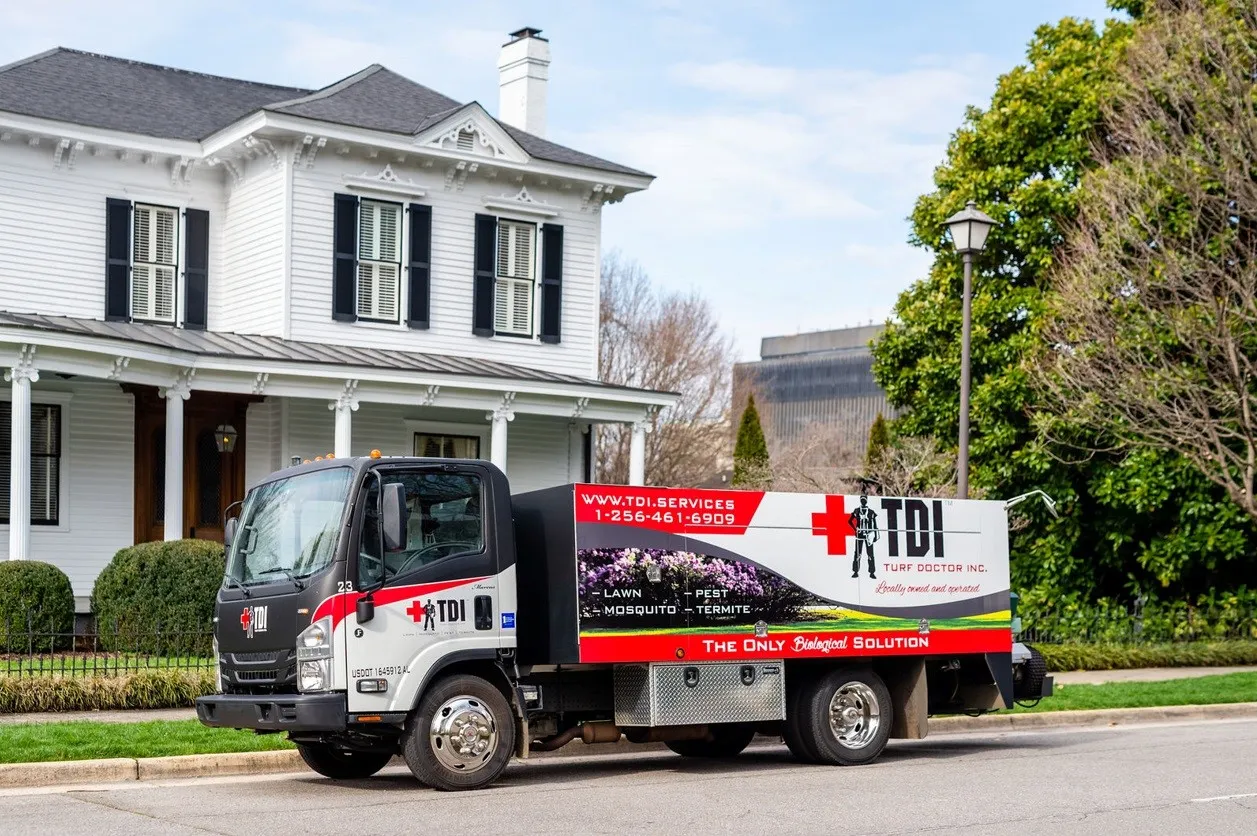
TDI Services provides lawn care in Daphne, AL for homeowners who want a better read on what is really going on in the yard. Some lawns need help with weeds. Some need stronger soil support. Some are dealing with compaction, especially in the busiest parts of the property. Some are being thinned out by insects before the problem becomes obvious. Others just need a better plan through the seasons instead of random treatments that never quite solve the bigger pattern.
Whether your yard needs fertilization, weed control, aeration, lawn pest control, lime treatment, or a more consistent routine, the goal is to help the lawn fill in better, handle stress better, and stop feeling like it is always slipping backward.
A better lawn starts with paying attention to where it keeps struggling.
Daphne lawns are rarely all the same, even in the same neighborhood. One yard may have more sun and faster dry-out. Another may have mature trees, heavier shade, and spots that stay damp after a storm. Some lawns get worn down by foot traffic, pets, or outdoor living areas. Others just never seem to get thick enough to hold weeds back.
That is why the work should start with what the lawn is actually doing. We look at how the grass is growing, where it is thin, where weeds are taking over, whether the soil feels tight, and whether insects may be part of the decline.
When a lawn is underfed, it usually shows in ways homeowners notice quickly. The color looks washed out. The grass feels thin. Bare spots linger. The lawn never quite looks strong enough to crowd anything out.
Fertilization helps support stronger root growth, better density, and healthier color during the active growing season. In Daphne, that matters because warm-season lawns put in a lot of work over a long stretch of the year. They are dealing with humidity, rainfall, mowing, and stress for months at a time.
The point is not to force fast green growth for a short-lived result. It is to help the lawn build enough strength underneath that it can recover better and hold its ground.
In Daphne, weeds usually start where the lawn is already losing a step. That may be near the curb, around landscape beds, beside the driveway, or in a part of the yard where the grass has thinned out from shade or traffic.
Crabtagrestends to move into sunnier weak areas.Nutsedge often pops up where the soil stays wetter after rain. Clover and dandelions usually show up where the lawn no longer has enough density to push back.
We use weed control treatments that help with both prevention and active cleanup. Pre-emergent treatments help reduce certain weeds before they come through. Post-emergent treatments focus on what is already showing. The bigger goal is helping the grass stop giving weeds so much room to begin with.
Some lawns do not need more water. They need the soil to open back up.
When the ground gets compacted, water and nutrients do not move the way they should. Roots have less room to grow, and the same trouble spots keep coming back. In Daphne, that often shows up in side yards, near walkways, around patios, or anywhere the lawn gets repeated foot traffic.
Aeration helps relieve that compaction so the lawn can breathe and recover more easily. If the yard also has weak or open areas, we can help determine whether overseeing or another thickening approach makes sense based on the turf type and what that section of lawn is dealing with.
Lawn insects can be part of the problem before the lawn really looks damaged. A patch may start browning. Turf may thin out in one area. Grass may look dry even when watering has not changed.
Grubs, armyworms, chinch bugs, and sod webworms can all become an issue in this region, especially when the lawn is already under stress. The tricky part is that insect damage can look like heat stress or poor watering at first.
That is why it helps to identify the cause before treating the yard like it is only a maintenance problem. When insects are part of the issue, earlier treatment usually means less damage and a better chance of recovery.
Some lawns are being treated, but the grass still does not respond the way it should. In some cases, that points back to soil pH. If the soil is too acidic, the lawn may have a harder time using nutrients efficiently.
Not every Daphne lawn needs lime, but on the right property, it can make the rest of the lawn program work better and help the grass respond more evenly over time.
Getting started should feel simple from the first conversation.
Tell us what you have been seeing, whether that is weak color, weeds, thinning turf, brown patches, or a yard that just never seems to stay consistent.
We review the grass, the soil, the moisture patterns, the problem areas, and any signs of pest activity.
Once we understand what the yard is dealing with, we recommend the services that fit it instead of throwing everything at it.
Our team performs the work with the right timing and the right treatment approach for the lawn's condition and the season.
A better lawn usually comes from consistency. We help keep it on track so the same issues are less likely to keep repeating.
The right grass for Daphne depends on how much sunlight, shade, and moisture your yard gets every day.
Daphne is in USDA Zone 9a and has a long warm growing season, which is why warm-season grasses are usually the best fit for local lawns. St. Augustinegrass is known for better shade tolerance than many other warm-season turfgrasses, while centipedegrass is commonly recommended in central and south Alabama and is often chosen by homeowners who want a lower-maintenance lawn.
Bermuda is a good fit for yards with lots of direct sun. It handles heat well, grows aggressively in warm weather, and recovers from activity better than many other turf types.
The challenge in Daphne is that some properties do not have even sunlight across the whole yard. In areas with heavier tree cover or shifting shade, Bermuda can thin out faster than homeowners expect.
Zoysia gives a lawn a dense, more finished look when it is healthy. It can help the yard feel fuller and more even, and once it gets established, it does a good job of helping crowd out weeds.
It does not recover as quickly as Bermuda, but many homeowners like the thicker, tighter appearance it gives the lawn.
St. Augustine can be a strong option for Daphne lawns that have some partial shade and stay humid through the growing season. It has a broader blade, a fuller look, and often makes more sense in yards where not every section gets all-day sun. Alabama Extension notes that St. Augustinegrass is shade tolerant and grows best in well-drained, fertile soils.
Centipede is often chosen by homeowners who want something more manageable. It grows more slowly than some other grasses and is commonly used in south Alabama. Alabama Extension describes centipedegrass as a slow-growing turf that is ideal for homeowners wanting limited care and maintenance.
The lawn is not dealing with the same pressures in spring that it deals with in late summer.
Spring is when weak spots start showing themselves. The lawn begins waking up, weeds try to get ahead, and any problem areas from the previous season become more obvious. This is a good time to get ahead of weeds, look at drainage and thin turf, and help the lawn start the growing season stronger.
Summer is when a Daphne lawn has the most to handle at once. Heat, humidity, regular rain, mowing, and insect activity can all pile up quickly. This is usually when the lawn shows whether it has enough strength underneath to keep up.
Fall is often when the lawn tells the truth about how summer went. Thin areas, leftover weed pressure, worn-out turf, and compacted spots become easier to identify. It is a useful time to help the lawn recover and settle down before cooler weather slows growth.
Winter Lawn TipsWarm-season grass may slow down or go dormant in winter, but the lawn still needs some care. Heavy traffic, soggy areas, and debris left sitting too long can create issues that become much more obvious once spring arrives again.
Daphne’s long warm season, regular rainfall, and humid conditions make it easy for weeds and lawn insects to stay active for much of the year. Problems usually show up first in the thinner or more stressed areas of the yard.
Crops can affect roots below the surface. Armyworms can move quickly through turf. Chinch bugs often make the lawn look heat-stressed. Sod webworms can thin out grass in a way that first gets mistaken for drought or poor watering.
The local climate plays a big role in how fast Daphne lawns grow and how quickly problems show up.
USDA Plant Hardiness Zone: Zone 9a
Average Annual Rainfall: About 68 to 69 inches
Average Summer High: Around 91°F
Average Winter Low: Around 39°F
Climate Type: Humid subtropical with long warm seasons and mild winters
Soil Type: Often sandy or loamy, with some properties holding moisture longer depending on grade, shade, and drainage
Recommended Watering Time: Early morning
Recommended Lawn Approach: Warm-season turf care, weed prevention, soil support, and pest monitoring timed around active growth
Good lawn care should make the yard easier to understand, not feel like another guessing game.
A lot of homeowners in Daphne already know something is off before they reach out. The same spots keep thinning. The weeds keep coming back. The front lawn never looks as even as it should. The backyard seems to lag behind no matter what gets done.
What usually helps most is not doing more at random. It is figuring out why the same pattern keeps repeating.
TDI Services looks at the lawn as it is actually performing and recommends services that fit that yard. Sometimes that means fertilization and weed control. Sometimes it means helping the soil recover. Sometimes it means catching lawn insects before they spread. The point is to make the lawn more consistent and more manageable, not just temporarily greener.
A few common questions Daphne homeowners ask before they get started.
If your lawn keeps slipping back into weeds, thin spots, or stressed-looking grass, you do not have to keep guessing your way through it.
TDI Services provides lawn care in Daphne, AL built around the way local lawns actually grow, thin out, and recover. From fertilization and weed control to aeration support and lawn pest treatments, we help your yard move toward something healthier and easier to keep up with.
Request your free quote today and let TDI Services help you build a lawn that feels more consistent and looks more the way it should.