Tree and Shrub Care in Priceville, AL | TDI Hartselle
A yard can still feel established and yet start looking less controlled than it once did. The shrubs may no longer shape the planting beds the same way. A tree may begin carrying more visual weight than it should. The layout still works, but the sharper finish begins to slip.
That kind of shift can happen gradually around Priceville. Plants keep responding to space, sun, and seasonal stress in different ways, and the overall property can slowly lose some of its balance before one obvious issue stands out. TDI Hartselle helps homeowners keep trees and shrubs looking cleaner, fuller, and more balanced with trimming, shrub care, fertilization, and plant health support.
It usually starts small
One shrub may start drifting wider than the rest. A tree may look slightly denser from one side than it does from another. Some plants may still look healthy and full while others begin feeling weaker or less even.
Because the change is gradual, it often does not feel urgent at first. Then the bed edges start softening, the spacing begins looking less intentional, and the whole landscape loses some of the visual order it used to have.
That is where regular care helps. It keeps the yard from slowly drifting into a look that feels heavier, softer, or more uneven than it should.
A well-kept yard usually stays that way one small correction at a time.
Why Tree and Shrub Care Matters More Than You Think
In Priceville, active growth can make shrubs and trees fill in quickly, but that growth does not always stay even. Some plants may get ahead of the rest. Some trees may gain density where they should feel lighter. Over time, the result can be a property that feels less coordinated from one section to another.
Shrubs may begin looking too loose or too wide. Trees may feel dense or visually bulky. Heat, insects, and general plant stress can slowly affect how full, balanced, and healthy-looking the whole landscape feels.
Tree and shrub care helps keep those shifts from piling up into a yard that looks harder to manage.
Better balance makes the whole property easier on the eye.
Tree Care That Keeps Your Yard Looking Balanced
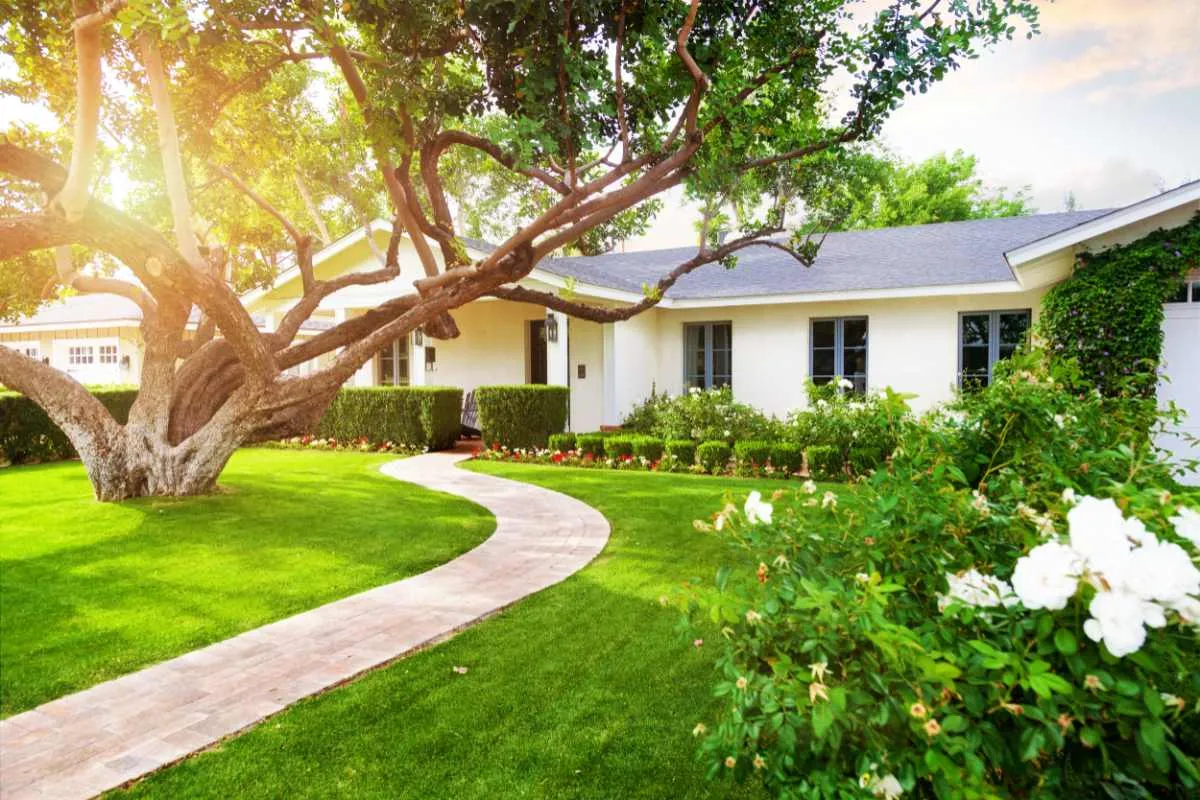
Trees help define the upper shape of the landscape. When they are balanced, they support the yard without overpowering it.
What usually stands out first
The first sign is often a canopy that feels too full through the middle, uneven from one side to the other, or heavier than it used to be.
Sometimes that becomes obvious while looking from the road. Sometimes it shows up more clearly from the lawn or patio. Either way, the tree starts influencing the entire feel of the yard.
Where trimming comes in
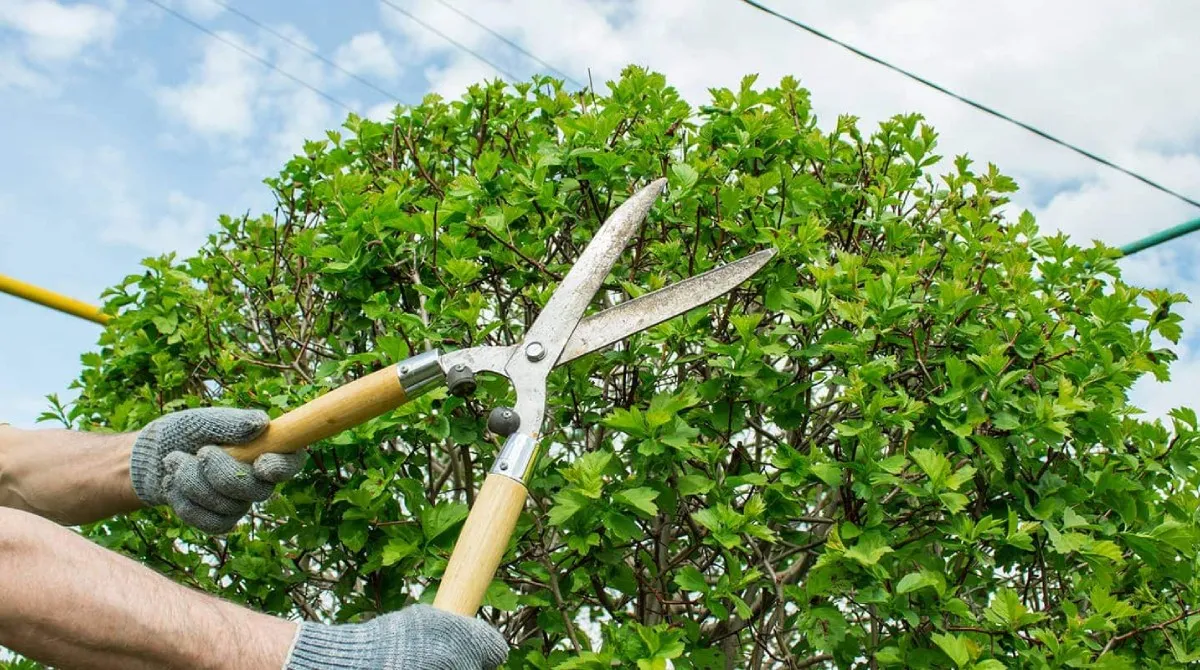
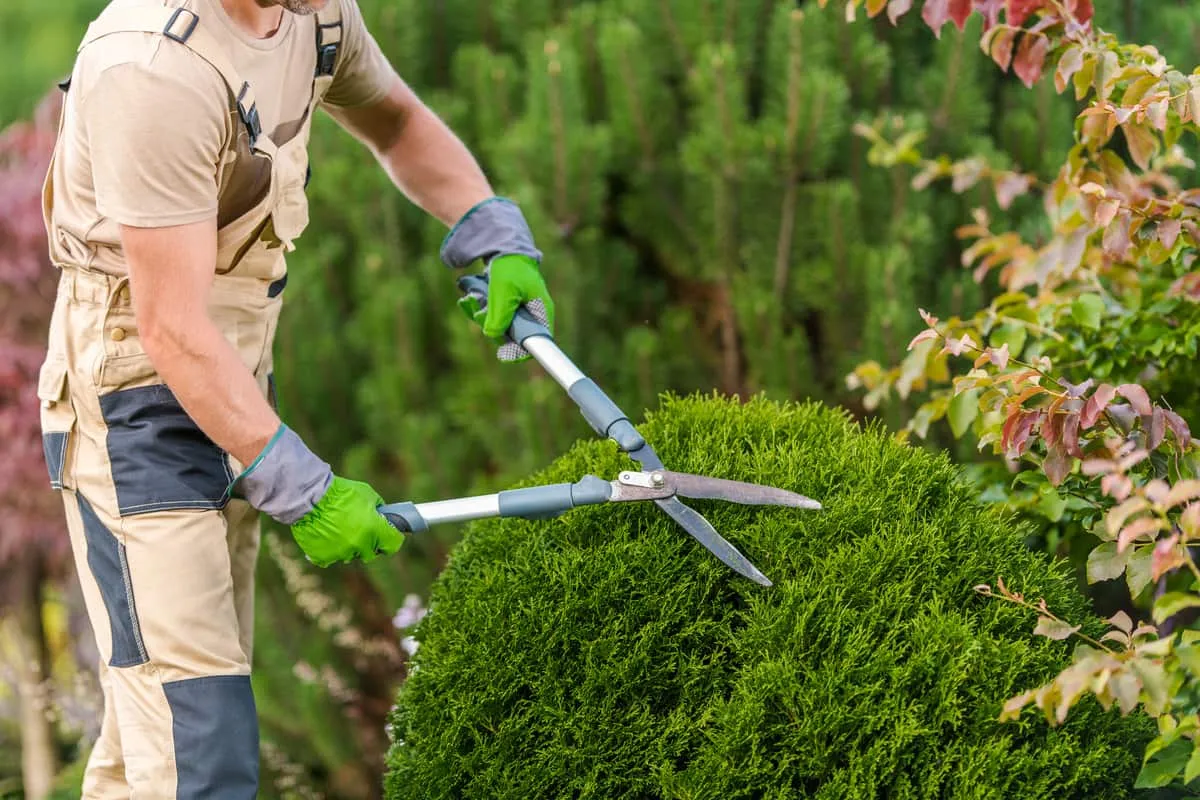
Trimming helps restore a cleaner outline and a more comfortable proportion. That may mean opening dense sections, reducing extra fullness, or refining the overall form so the tree feels better matched to the rest of the property again.
The goal is not to make the tree look severe. It is to help it look lighter, stronger, and more balanced.
A cleaner tree shape often helps the entire landscape feel more together.
Shrub Care That Keeps Everything Looking Clean
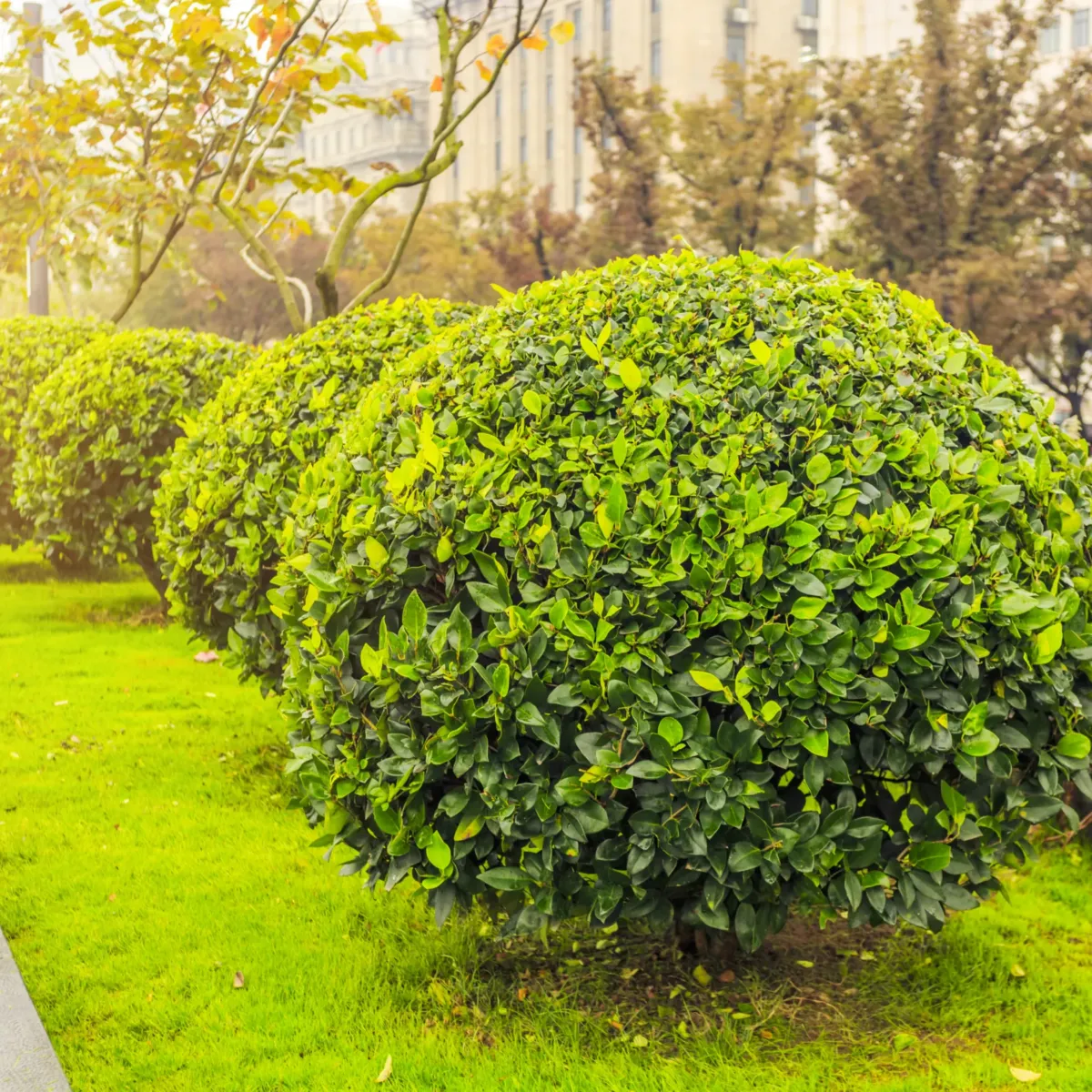
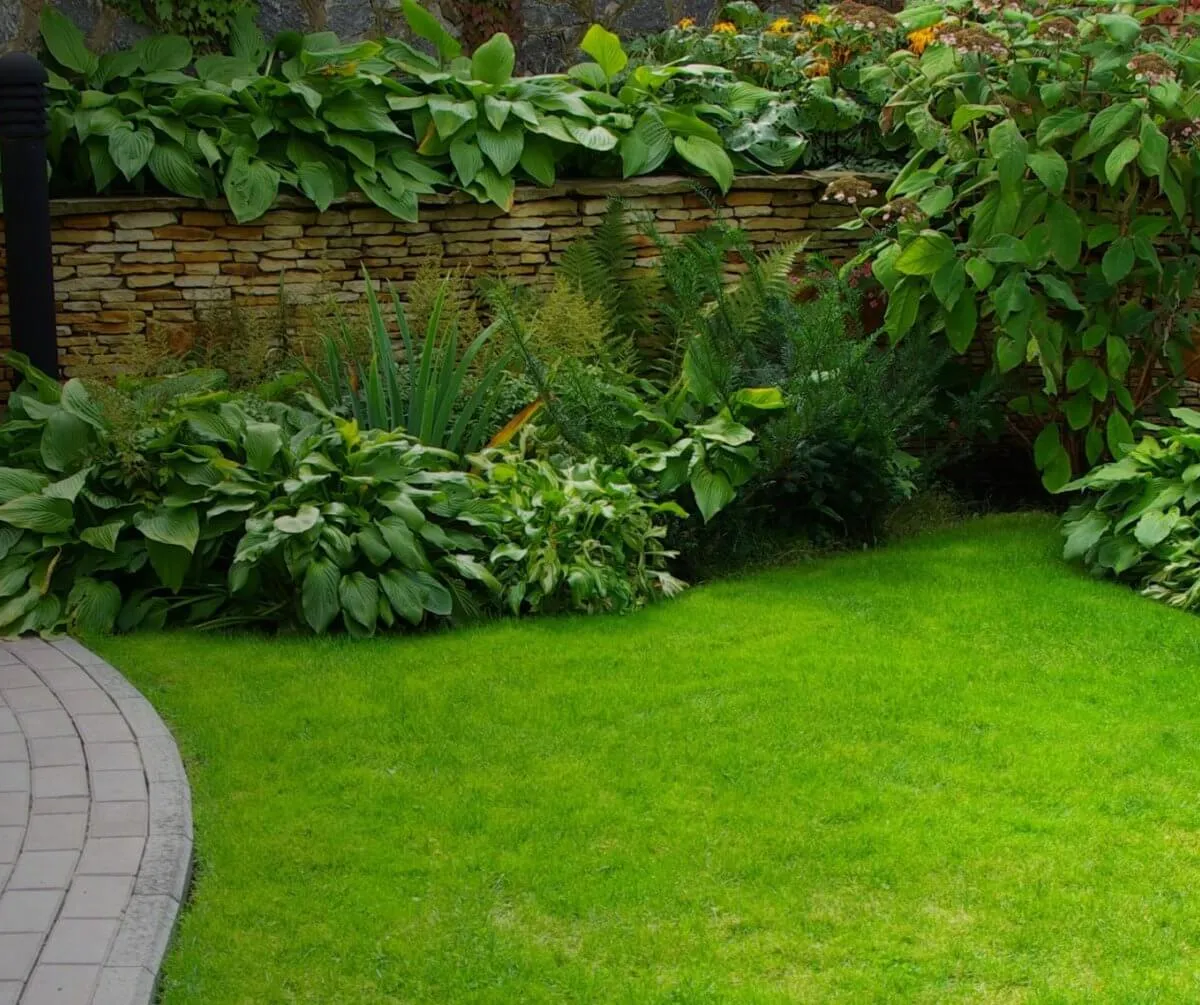
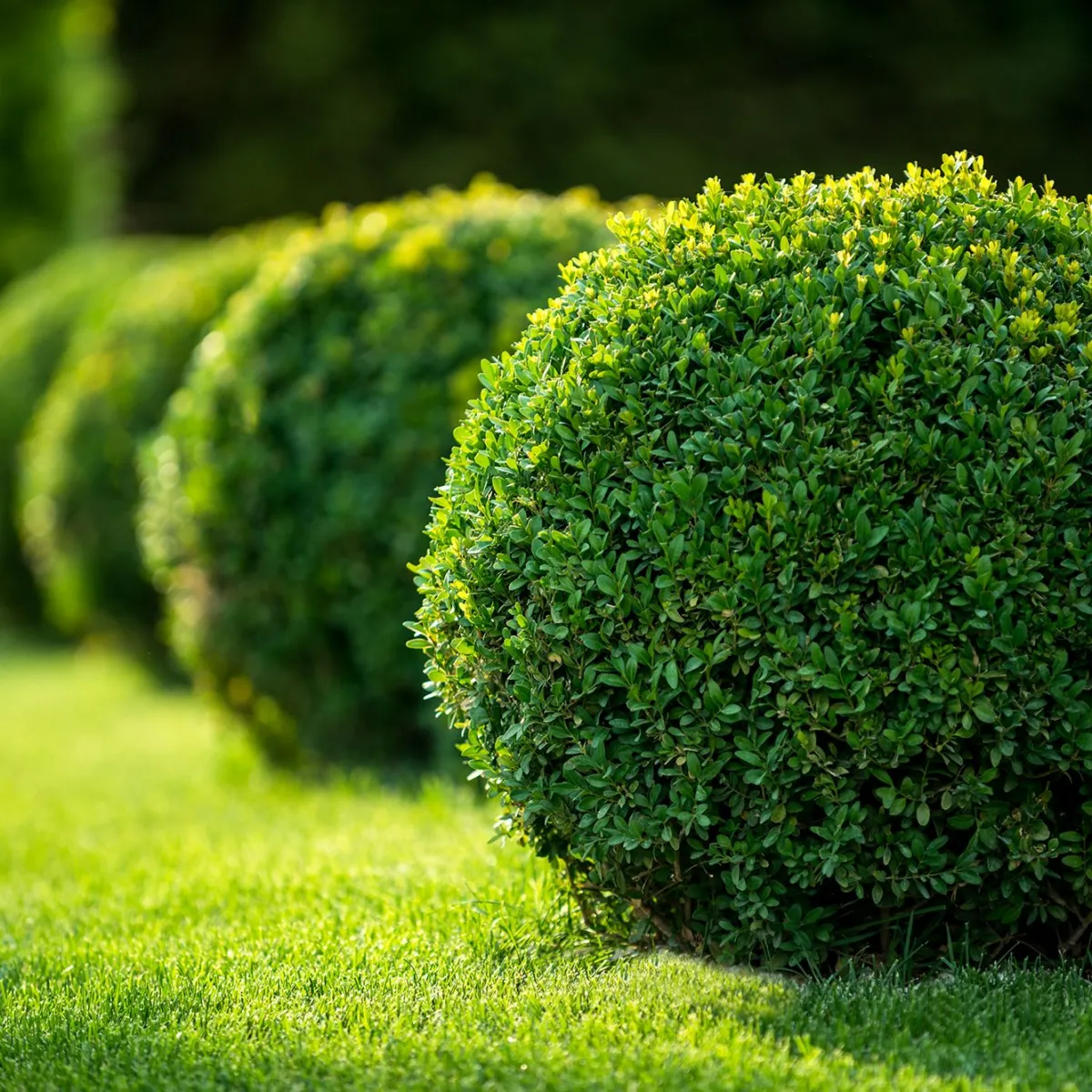
Shrubs give the lower part of the landscape its structure. They define the front beds, help organize the planting, and make the home feel more connected to the yard.
When they stop doing that well, the whole property can begin feeling less polished.
What usually goes wrong
In Priceville, shrubs may react differently to spacing, light, plant variety, and weather stress. Some may spread too far. Others may thin through the middle. Some may stop matching the rest of the planting in shape or density.
That is when the beds can begin looking patchy, loose, or less finished.
Why trimming matters
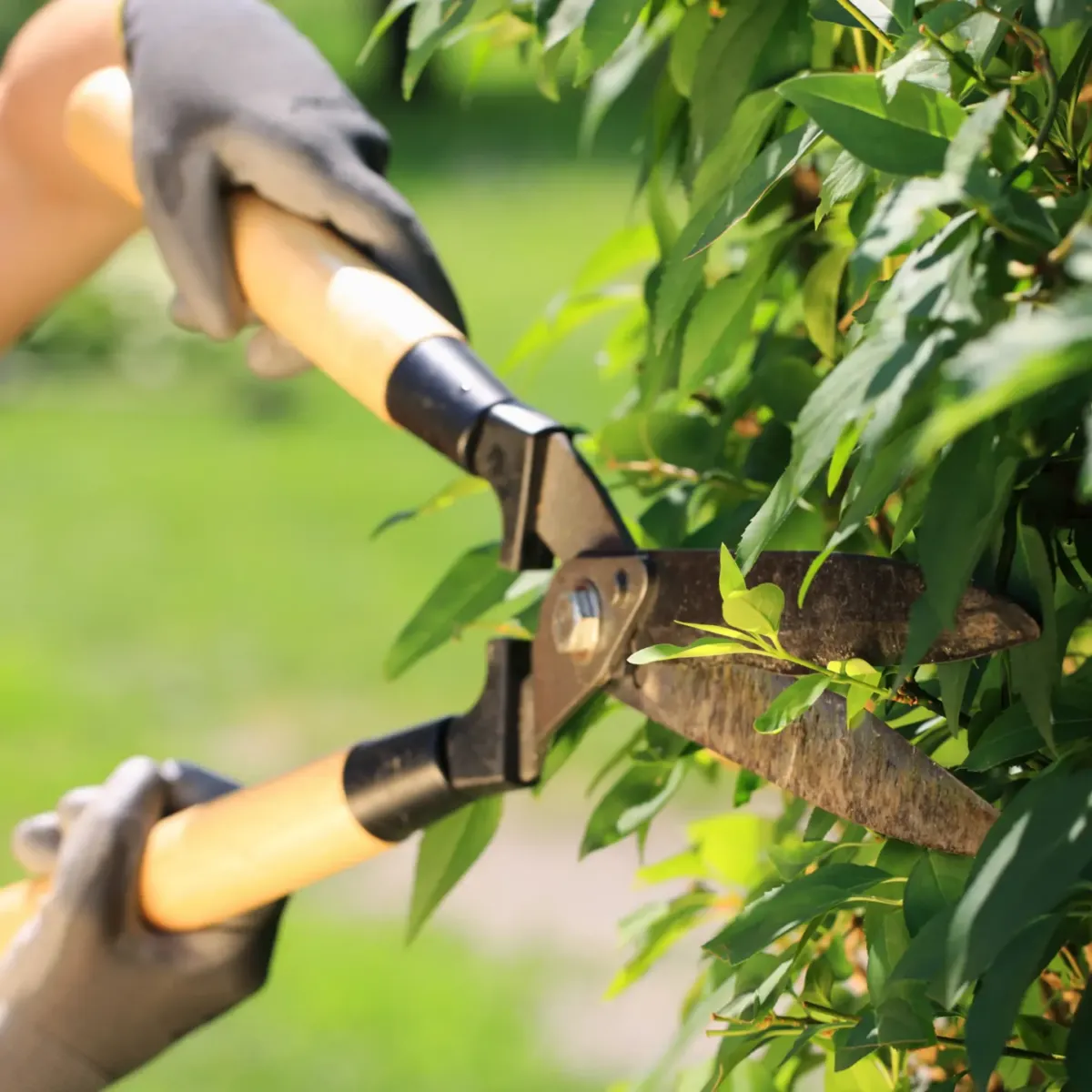
Regular trimming helps shrubs stay in scale with the home and the surrounding landscape. It keeps them from softening the bed edges too much and helps preserve a cleaner shape across the planting.
The right trimming should improve the look without making the shrubs feel rigid.
When fertilization helps
If shrubs begin looking thin, weak in color, or slower to recover their fullness, fertilization can help improve growth over time. It supports better plant performance when the problem is more than just shape.
With the right support, shrubs can begin looking fuller, healthier, and more consistent across the yard.
Well-kept shrubs help the landscape feel more intentional.
Tree and Shrub Care That Looks at the Whole Yard
A property can feel out of balance for several reasons at once. A tree may need better proportion. A shrub bed may be getting too wide. Another section may look thinner or less vigorous than the rest.
That is why TDI Hartselle looks at the full landscape rather than focusing only on the first obvious issue. Trees, shrubs, spacing, shape, and plant health all contribute to the way the property feels as a whole.
The goal is not to overcorrect the yard. It is to help it look cleaner, steadier, and easier to enjoy.
Looking at the whole property usually leads to stronger choices.
Fertilization That Supports Real Growth
Fertilization helps support steady, consistent growth.
Around Priceville, some plants may begin the season looking strong and then start fading later on. Others may never fill in the way they should. A shrub may stay sparse while nearby plants remain fuller. A tree may begin losing some of its richer green color.
Fertilization helps improve color, fullness, and overall health without forcing unnatural growth. It works best as part of a practical plan that also considers trimming and the overall condition of the landscape.
The right support helps the whole yard look more even over time.
How We Approach Tree and Shrub Care
We look at how the trees, shrubs, beds, and surrounding landscape are growing and where the yard feels less balanced.
We explain what looks healthy, what seems uneven, and what may be affecting the overall appearance most.
Not everything has to happen at once. We help identify where care will make the biggest difference first.
Some landscapes need trimming. Others benefit from fertilization. Sometimes both make sense, along with plant health support.
Everything is done with attention to detail and respect for the landscape.
If ongoing care makes sense, we help keep the property from gradually moving back in the same direction.
Fertilization That Supports Real Growth
Trees can begin looking too dense through the interior or visually heavier in one part of the canopy. Shrubs may spread beyond their intended space, lose a cleaner outline, or stop matching one another in fullness. Plants can thin during stressful weather, bed lines can begin feeling softer, and overall spacing can start looking tighter than it should. Seasonal stress and insect activity can slowly affect the balance of the whole yard.
Most of the time, it is not a major problem all at once. It is a buildup of smaller changes.
Tree and Shrub Care FAQs
Small changes in shrub shape, tree density, and bed definition can slowly change the feel of the whole landscape.
If your property has started feeling less sharp, less balanced, or less finished than it used to, TDI Hartselle can help you figure out what is changing and what type of care will make the biggest impact.
We look at the landscape as a whole, explain what is standing out, and recommend practical next steps that fit the way your trees and shrubs are actually growing now.
Sometimes the best move is not doing everything. It is knowing exactly where to begin.