Madison lawns improve with consistent biology
Some lawns in Madison never fully fall apart, but they never quite look the way they should either. The color fades faster than expected. Thin spots stay thin. Weeds keep finding room to spread. By the time summer stress hits, the whole yard feels like it is working against you.
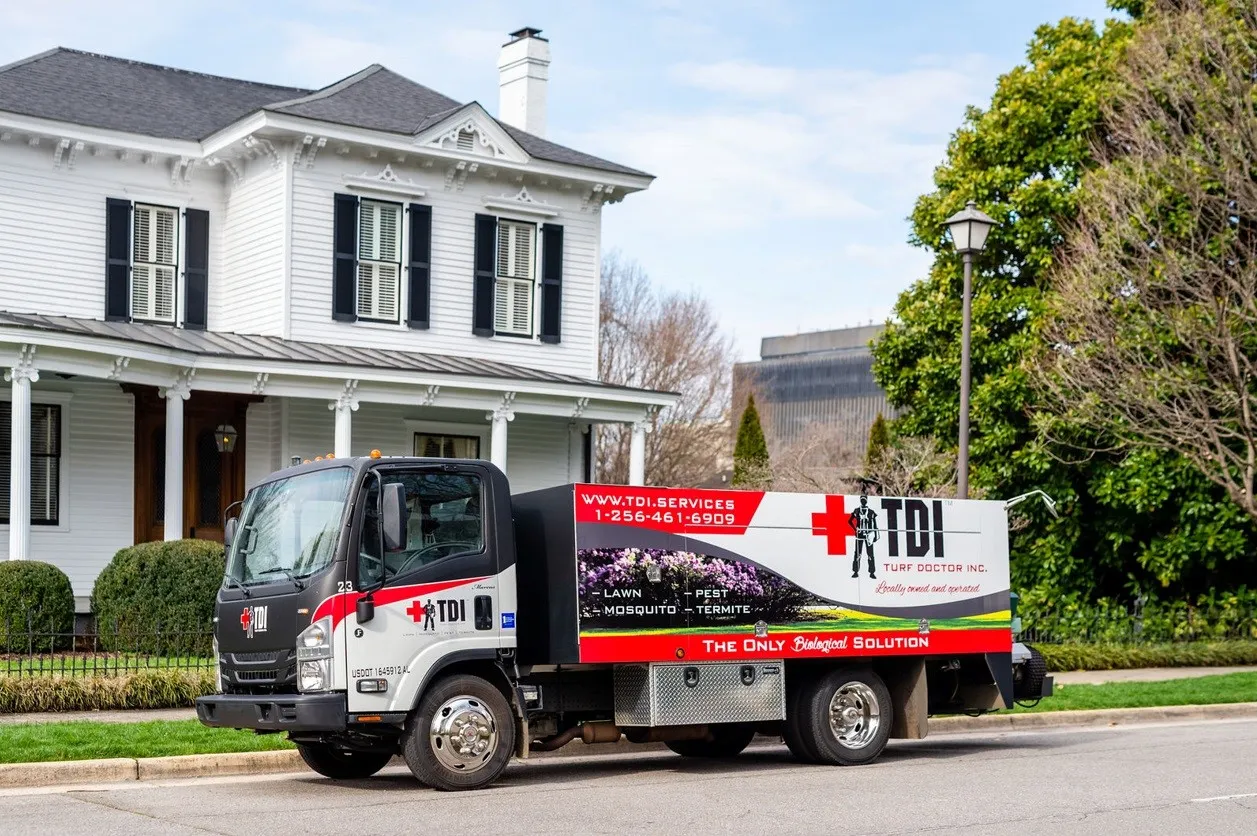
TDI Green Services provides lawn care in Madison with a biological approach built around better growing conditions, stronger turf, and smarter seasonal timing. Instead of chasing short-term improvement, we help support a lawn that can stay thicker, recover better, and handle Alabama conditions with more stability.
Strong turf starts below the surface
Every yard has its own set of pressure points. One lawn may need help with compacted soil. Another may be losing ground to weeds. A third may have decent color but poor density. Lawn care works best when the plan is shaped around what is actually happening in the yard, not around a one-size-fits-all program.
Fertilization helps with more than appearance. It supports steady growth, stronger roots, and healthier turf performance through active parts of the season. TDI’s biological mindset keeps the focus on improving how the lawn grows, not just how it looks right after a treatment.
That matters in Madison, where a lawn can look fine one week and much weaker the next if it is not getting the right support underneath.
Weeds usually show up where the grass is already losing strength. In Madison, crabgrass, clover, dandelion, and nutsedge often move into thin or stressed sections before homeowners realize how quickly the problem is spreading.
Our weed control service helps reduce that pressure while supporting a healthier lawn that can compete more naturally over time.
When the ground is packed tight, water and nutrients do not move the way they should. Roots stay shallow, growth slows down, and patchy areas become harder to correct.
Core aeration helps relieve compaction and improve movement below the surface. Overseeding can then help thicken the lawn, reduce worn-looking areas, and bring a more even look back across the yard.
Not every struggling lawn has a weed problem. Sometimes the real issue is insect activity. Grubs, chinch bugs, armyworms, and other turf-damaging pests can weaken grass from the roots or the blades before the damage is easy to identify.
Protecting the lawn from that kind of pressure helps preserve the progress the turf is already trying to make.
Some lawns need help balancing soil conditions so nutrients can work more effectively. When the soil calls for it, lime treatment can be part of creating a better environment for healthier grass.
Simple steps help lawns recover faster
You tell us what your lawn has been doing, whether that means thinning turf, spreading weeds, weak color, or areas that never seem to bounce back.
We look at the condition of the grass, identify likely pressure points, and consider how the season is affecting the yard.
We recommend the services that fit your property, whether that means fertilization, weed control, aeration, overseeding, pest support, or a combination of those.
Treatments are completed with attention to timing, turf condition, and the kind of support that makes sense for the lawn.
As the season changes, the lawn's needs change too. We help keep the yard moving forward instead of falling back into the same cycle.
Grass choice shapes long-term lawn performance
Madison lawns usually perform best with grasses that can handle heat, humidity, and a long warm growing season. That is why warm-season turf types are common across this part of North Alabama.
Bermuda works well in sunny lawns that get regular activity and need fast recovery. Zoysia can be a great fit for homeowners who want dense, attractive turf with good heat tolerance. Tall fescue may still be part of some lawns, especially in more shaded spaces, but it usually needs more careful support through hotter months.
The best grass type depends on sun exposure, drainage, and how the lawn is expected to function throughout the year.
Seasonal shifts change lawn priorities quickly
A lawn in Madison needs different support at different points of the year. Timing has a major effect on how well treatments work and how strong the turf feels heading into the next season.
Spring is the time to get ahead of weed pressure, encourage healthy new growth, and address thin or compacted areas before summer conditions start creating more stress.
Summer calls for deeper watering, close attention to insect activity, and careful control of weeds before they spread further into already-stressed turf.
Fall is a strong time to help the lawn recover. Aeration, overseeding, and steady nutrient support can improve thickness and strengthen the yard after a demanding growing season.
Winter is quieter, but it still matters. Reducing unnecessary traffic on dormant turf and planning next spring’s service based on the lawn’s weak points can make a big difference.
Local weeds exploit thin stressed turf
Grubs, armyworms, chinch bugs, and sod webworms are all pests that can affect Madison lawns. Some damage roots below the surface, while others weaken turf from above.
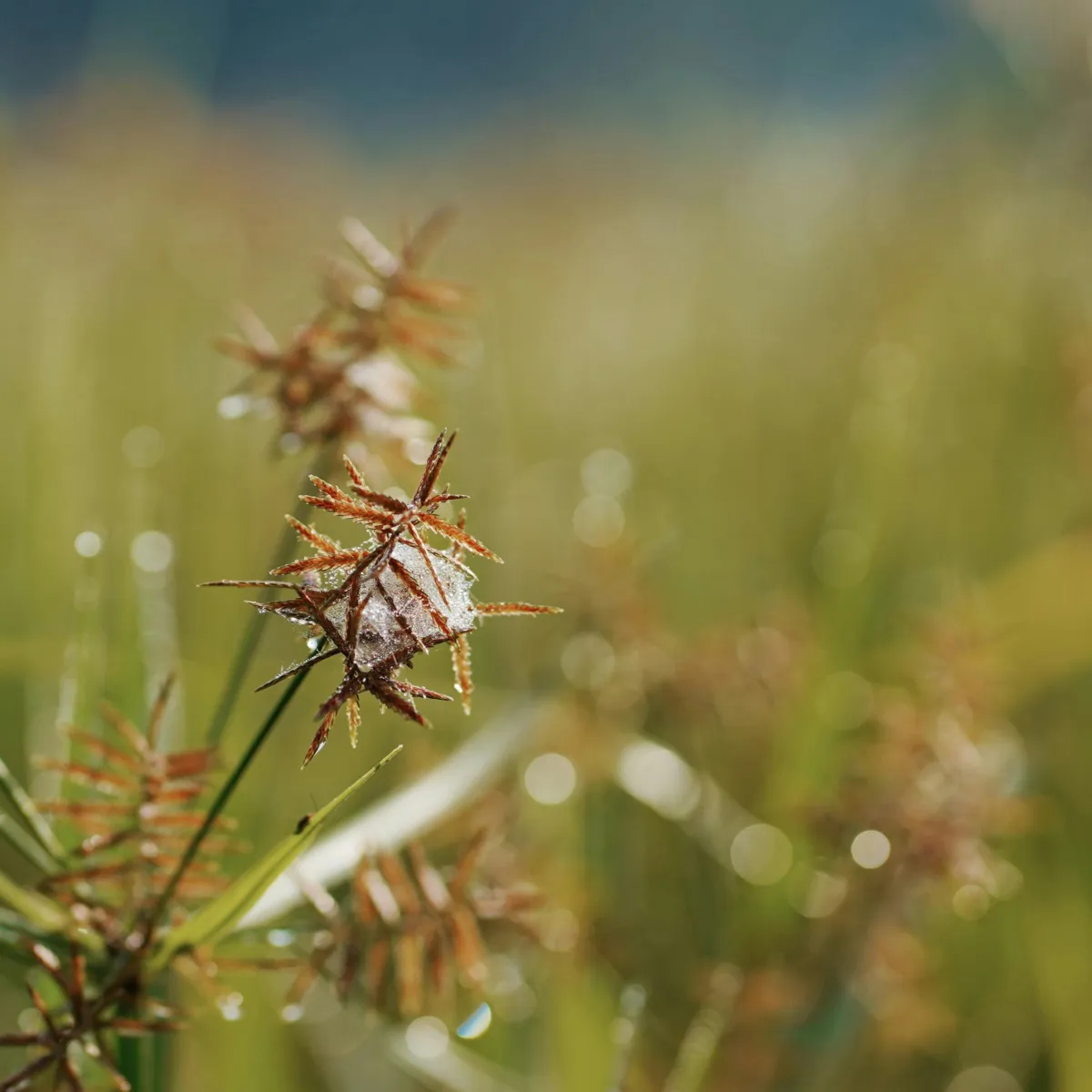
Crabgrass, dandelion, clover, and nutsedge are common around Madison. These weeds tend to push hardest into turf that is already sparse, stressed, or not growing densely enough to hold its ground.
Soil and weather steer lawn results
Madison lawns deal with humid summers, fast seasonal growth, and soils that can vary from one property to the next. Those conditions can support strong turf, but they can also expose weaknesses quickly when the lawn lacks density or root support.
Madison is generally in USDA Hardiness Zone 7b to 8a. Lawns here often perform best when they get seasonally timed fertilization, weed prevention, thoughtful watering, and relief from compaction where needed.
Homeowners want honest local lawn guidance
TDI Green Services brings a biological lawn care approach to Madison properties because healthier lawns usually come from better growing conditions, not quick cosmetic fixes alone.
That approach fits Madison homeowners who want a lawn that looks stronger for the long haul, not just greener for a week. Our service is built around local conditions, practical recommendations, and treatment plans that make sense for real yards.
Clear answers help stressed lawns recover
A better-looking lawn usually starts with better support, not more guessing. If your Madison yard has been stuck in a cycle of thinning, weeds, or uneven growth, TDI Green Services can help you move it in a stronger direction with care built around the property and the season. Request your quote today and give your lawn a smarter way forward.