Fire ant treatment for Greenhill lawns where outdoor comfort should not depend on avoiding mounds
Fire ants can make a yard feel unreliable in a way that is hard to ignore once it starts. The problem is not only the mound itself. It is the way outdoor routines begin changing around it. A section of grass gets skipped during play, a pet gets called back from one corner of the lawn, or someone mowing has to stop and change direction after spotting fresh soil. In Greenhill, where lawns are meant to be lived in and not worked around, that kind of disruption adds up quickly.
TDI Green Services provides professional fire ant control in Greenhill, AL for homeowners dealing with active colonies, recurring mounds, and lawn areas that no longer feel simple to use. Our approach centers on inspection, targeted treatment, and practical service recommendations based on how the infestation is showing up on the property. When fire ants start changing how the yard gets used from one week to the next, a more complete treatment plan can make a real difference.

A lot of fire ant problems begin with a homeowner noticing one mound and hoping it stays contained. That is a reasonable first reaction. The issue is that fire ants are rarely satisfied with staying obvious in only one part of the yard. What begins as a single mound near open turf can turn into fresh activity somewhere else, and the lawn starts feeling like it needs to be checked before anyone can enjoy it normally.
That shift is often what pushes homeowners to seek professional help. They are not only frustrated by the ants themselves. They are tired of the yard feeling less predictable than it used to. A proper treatment plan looks at the bigger pattern of activity instead of treating one mound as though it tells the whole story.
Why fire ants become such a frustrating lawn problem
Fire ants matter because they combine aggressive defense behavior with a knack for appearing in places people actually use. A mound in an out-of-the-way patch of soil is one thing. A mound near a walkway, play area, mailbox route, or open stretch of lawn is something else entirely. Once disturbed, fire ants can respond quickly and sting multiple times, which is what makes them so disruptive around the home.
They also affect more than one moment of contact. Over time, homeowners begin adjusting how they move through the property. They avoid certain spots, keep pets out of one section of the lawn, or rethink simple tasks that used to feel automatic. Fire ant control matters because it helps restore the normal use of the yard, not just the appearance of it.
What tends to reveal active fire ants on the property
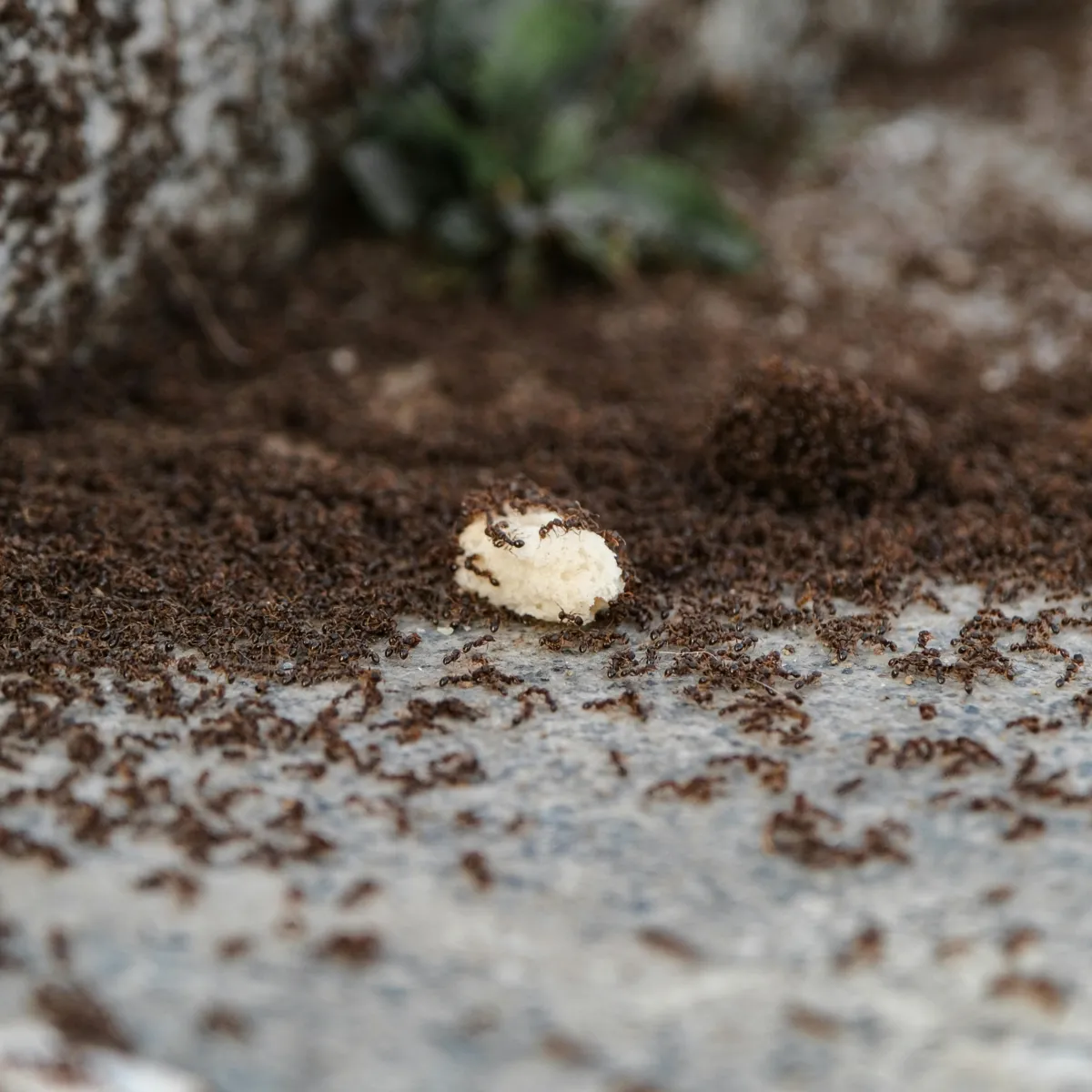
One of the most common signs is the appearance of loose, sandy-looking mounds in the lawn, especially in areas that stay warm and get steady sun. These mounds can become more noticeable after rainfall, when fresh soil rises and stands out more clearly against the grass. In Greenhill, that often means fire ant activity becomes easier to spot in open lawn sections and exposed soil around the property.
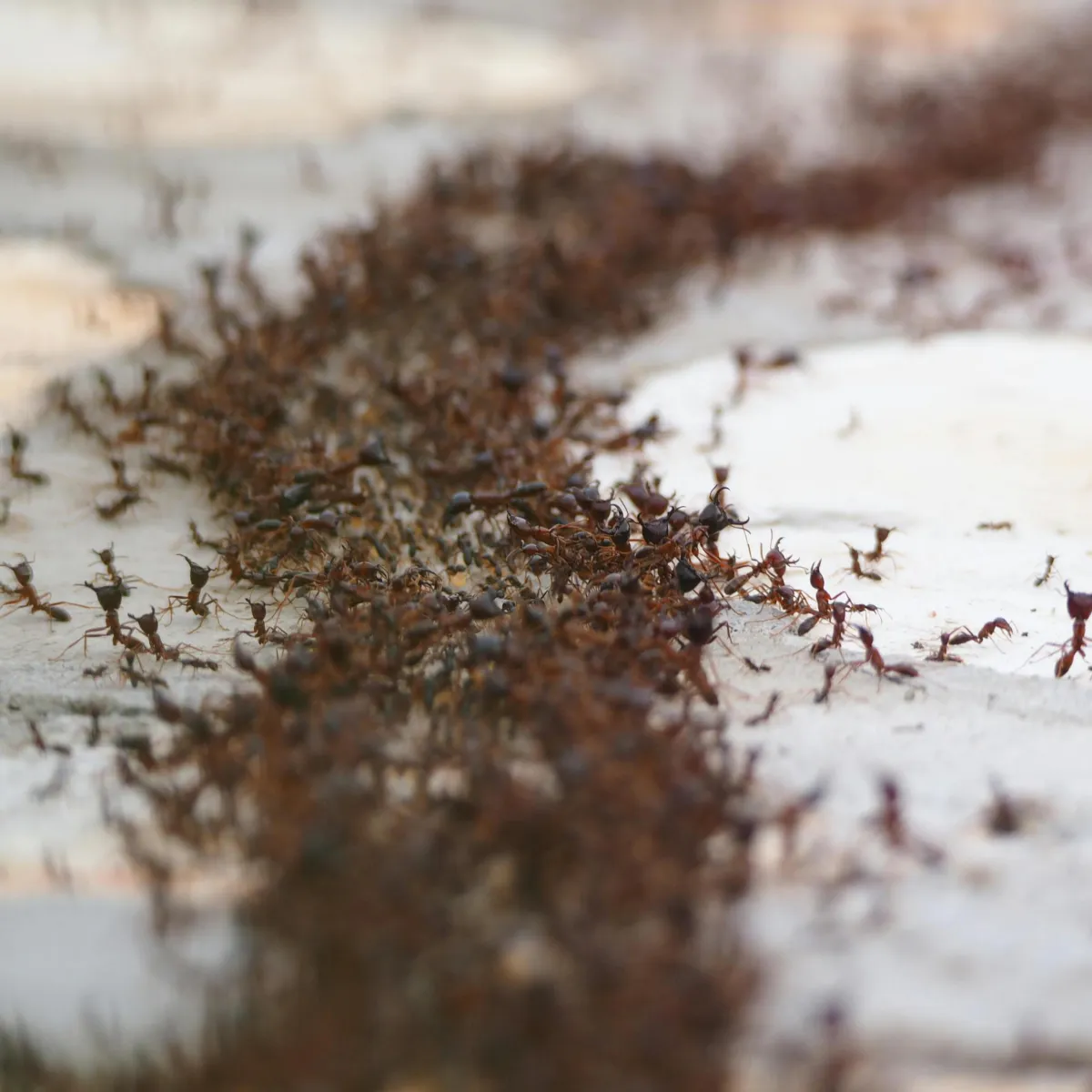
Other signs may include reddish ants swarming aggressively after the mound is disturbed, complaints about stings after regular yard use, or multiple new mounds forming in different areas over time. In some households, the earliest clue is not the mound itself but the way pets or children start reacting to certain parts of the lawn. Repeating signs like these usually point to an infestation that needs more than a temporary fix.
How fire ants are usually identified outdoors
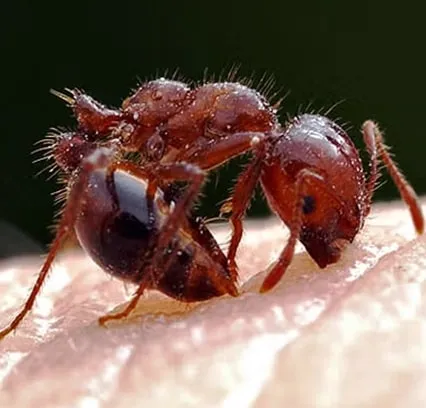
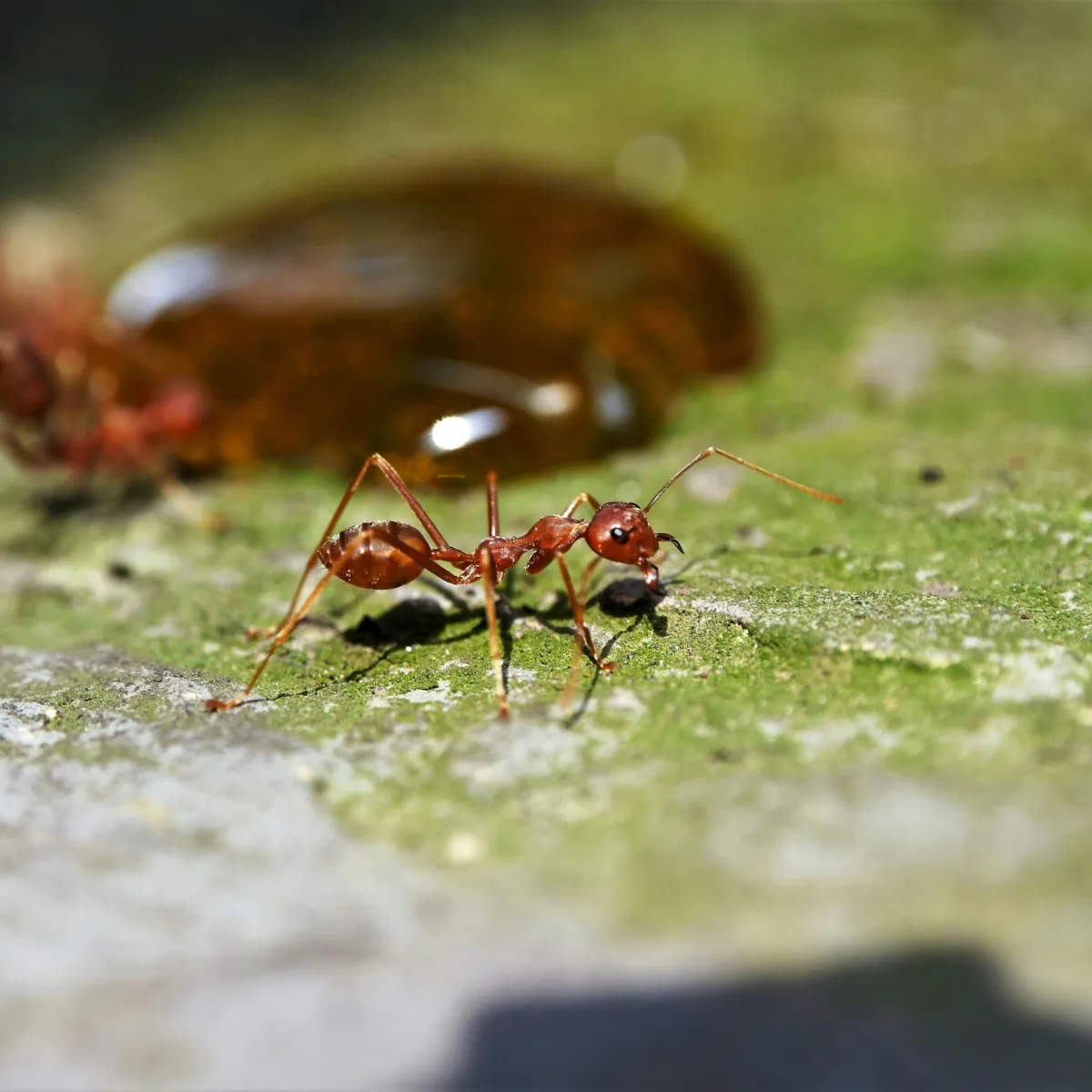
Fire ants are usually reddish to reddish-brown and small, often measuring around 1.6 to 5 mm long. Ants within the same colony can vary in size, so they do not always appear identical. For many homeowners, the easiest way to recognize them is by the mix of color, quick movement, and the mound they create rather than by body shape alone.
They are often found in sunny, open spaces such as lawns, field edges, bare soil, and areas along sidewalks or driveways. Their nests may seem simple on the surface, but the activity underneath can be much more extensive than the mound suggests. That is part of what makes fire ants easy to underestimate early on.
Why fire ants are so persistent once they settle in
Fire ants are difficult to remove because the colony does most of its work below ground, where visible mound treatment may not fully reach it. A homeowner may knock down surface activity and still be left with enough colony strength underground to support new mound formation later. Some infestations may also involve multiple queens, which makes the population harder to suppress.
Another complication is that treatment effectiveness depends on conditions. Heat, rain, irrigation, and the ants’ feeding behavior can influence how well different products perform. That is why fire ants often seem like they are improving for a while before reappearing somewhere else on the property. A surface change is not always the same as actual control.
How our fire ant control service is carried out
We start by evaluating the lawn, the visible mound activity, and the areas where fire ants appear to be interfering most with normal yard use. That inspection helps reveal whether the issue is concentrated in a few locations or whether it reflects broader colony pressure across the property. The more clearly the infestation is understood, the more accurately the treatment can be matched to it.
Once the activity has been assessed, we treat the active mounds and the lawn areas connected to the problem. The goal is to reduce current fire ant pressure and help limit additional activity that would keep creating new disruptions. Depending on the property and the level of infestation, follow-up service or monitoring may be recommended as part of the plan.
Treatment methods that depend on what the lawn is showing
Some Greenhill lawns may need a wider treatment approach because the infestation extends beyond a couple of obvious mounds. In those situations, a broadcast application may be the best fit because it addresses a larger area of colony pressure. Other properties may show activity that is more concentrated, making direct mound treatment a more appropriate option.
There are also cases where a layered approach makes more sense. That may include bait-based treatment to target colony activity more broadly along with direct treatment for the most active mounds. In certain conditions, mound drench applications may also be suitable. Professional service works best because the treatment is chosen to match the lawn and infestation pattern rather than relying on a general product choice.
Why DIY control often turns into repeat effort
Many do-it-yourself fire ant treatments seem promising right after they are applied because they create a quick visible change. The problem is that visible change does not always mean lasting control. A mound may flatten, look less active, or even disappear from one area, only for another to show up nearby later. That is one reason homeowners often feel like they are always treating but never really getting ahead.
Professional treatment is different because it takes the infestation level, property conditions, and treatment timing into account. Baits need the ants to be feeding under the right conditions, and direct mound products can expose the homeowner to more sting risk while still falling short of full control. A more strategic approach usually leads to better results than repeated trial and error.
When fire ants are usually easiest to notice
Fire ants are generally most noticeable during warm weather, especially in sunny sections of the lawn where the soil heats up more consistently. Their activity often stands out more in the warmer parts of the year, and fresh mound formation may become especially visible after rain when loose soil is easier to spot.
Very hot conditions can sometimes change how much movement homeowners see above ground, but that does not necessarily mean the colony has stopped being active. Even when the mound looks quieter at the surface, fire ants may still be active below. That is part of why infestations can seem inconsistent when they are actually persistent.
What homeowners should know about treatment safety
Fire ant treatments should be applied according to label directions, and homeowners should receive clear instructions about when treated areas can be used again. That is especially important for households with children, dogs, or frequent lawn use, because no one wants to guess about re-entry after service.
Depending on the treatment selected and the lawn conditions at the time of application, people and pets may need to stay off treated areas until the product is dry or otherwise settled. Clear after-service guidance is an important part of responsible treatment and helps homeowners return to normal lawn use with confidence.
Why Greenhill homeowners choose TDI Green Services
Greenhill homeowners choose TDI Green Services because they want more than a quick response to a visible mound. They want a service that takes the lawn seriously, looks at where the activity is actually happening, and recommends treatment based on what the property needs. We combine professional inspection with practical treatment options and clear communication from start to finish.
We also make it easier to move forward when repeated fire ant activity has become a real nuisance. With scheduling support, property-specific treatment recommendations, and guidance after service, TDI Green Services gives homeowners a more dependable way to respond when fire ants start taking over the lawn.
Questions Greenhill homeowners often ask about fire ants
You should not have to plan around fire ant mounds every time you step into the yard. Schedule a fire ant treatment visit with TDI Green Services in Greenhill, AL and take back the lawn with a more dependable plan.