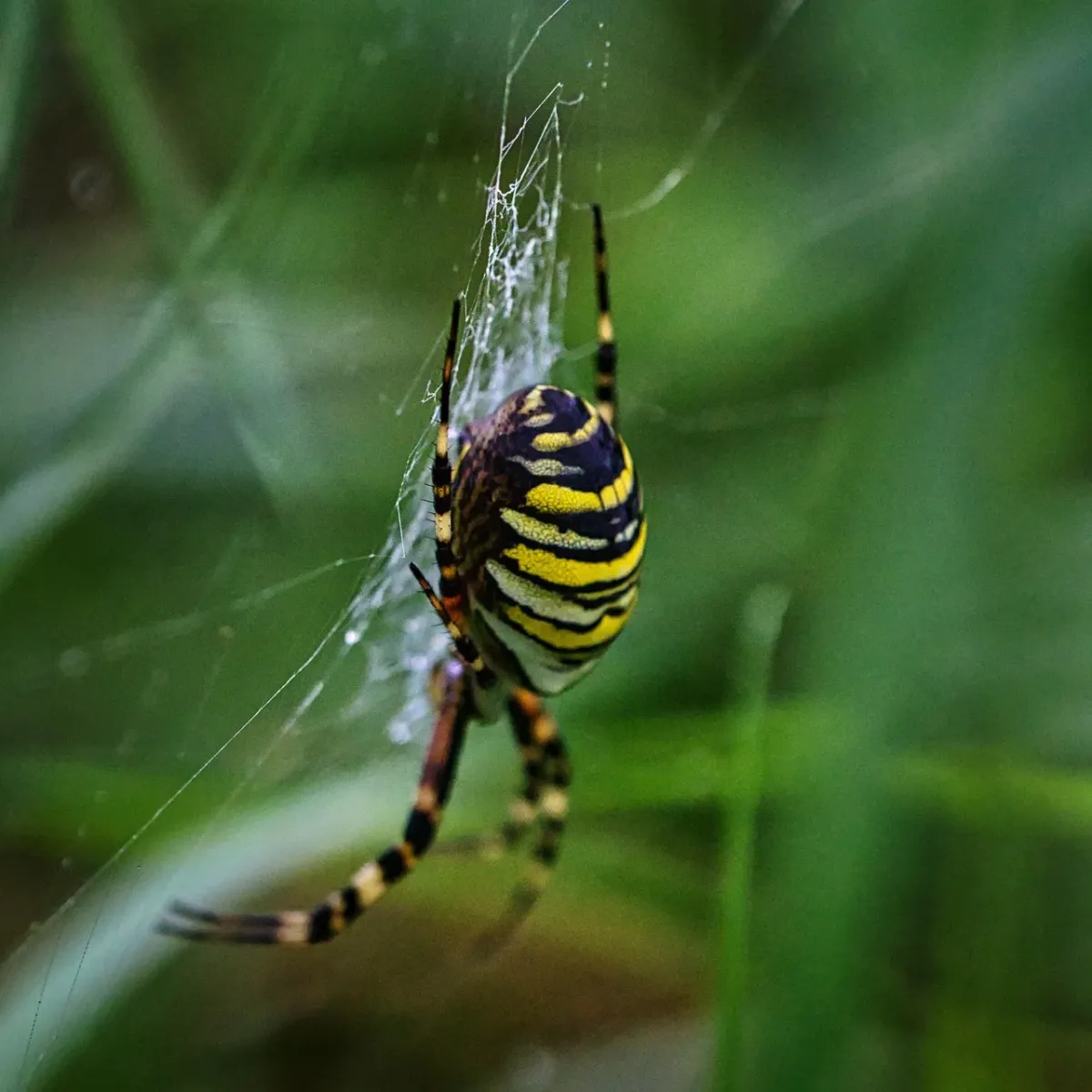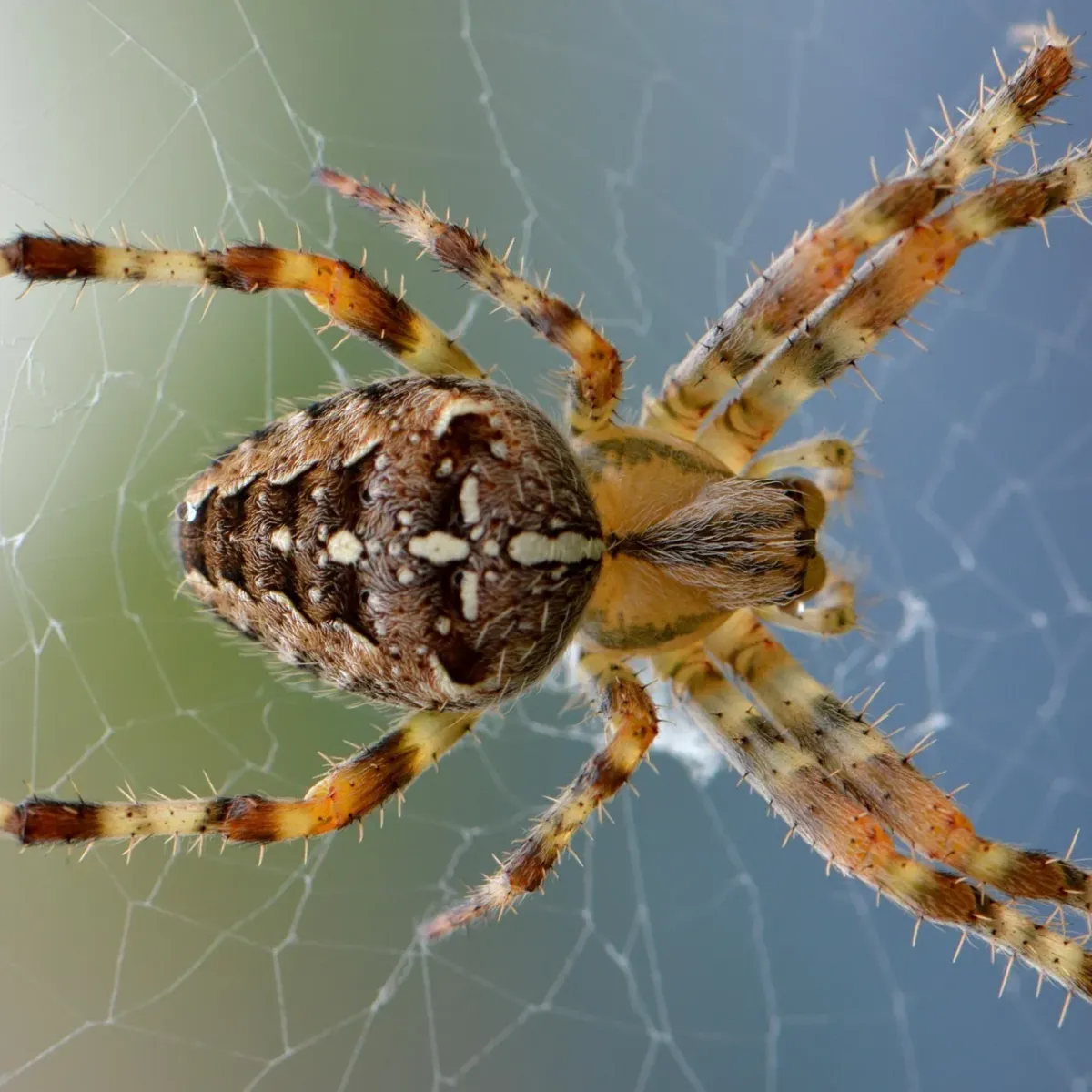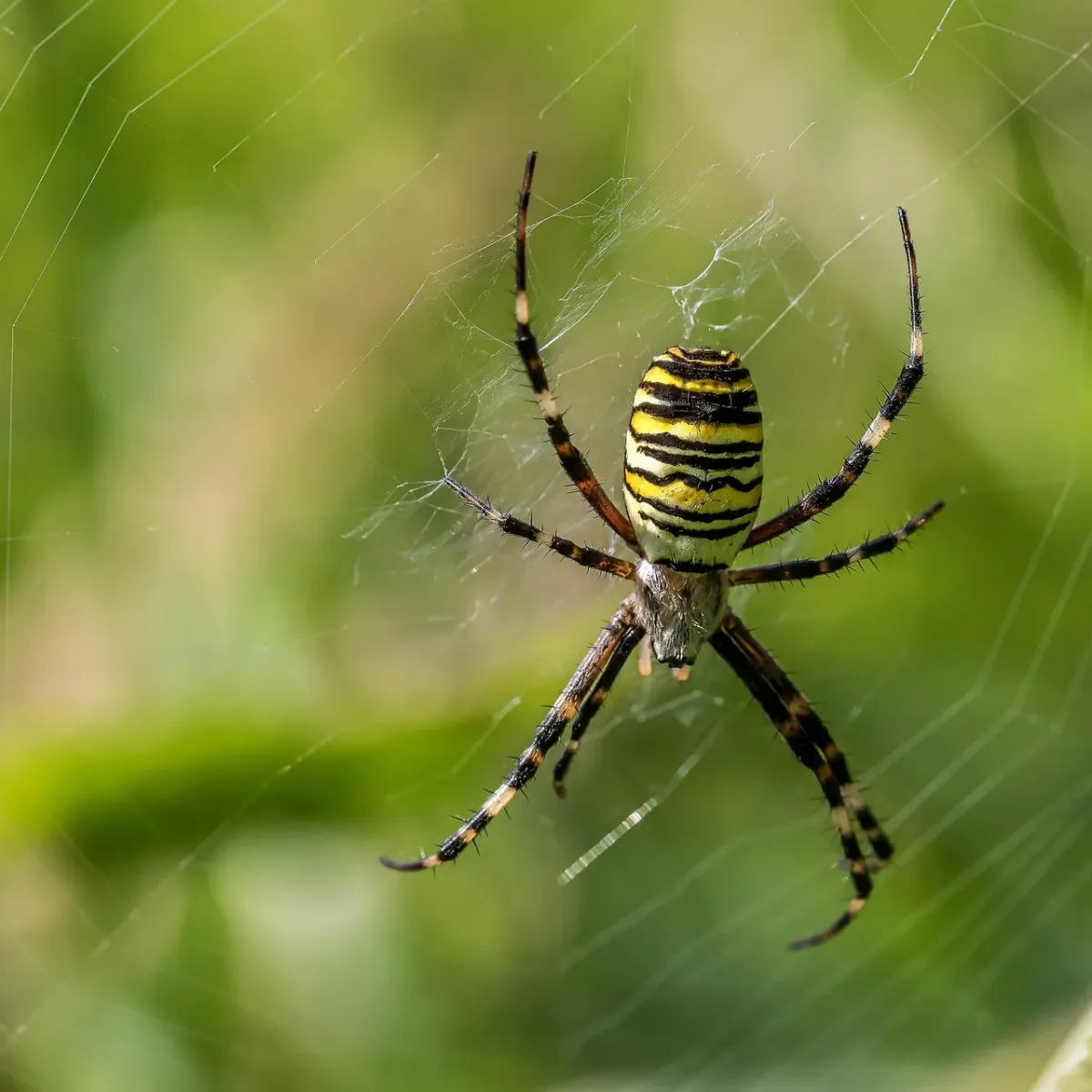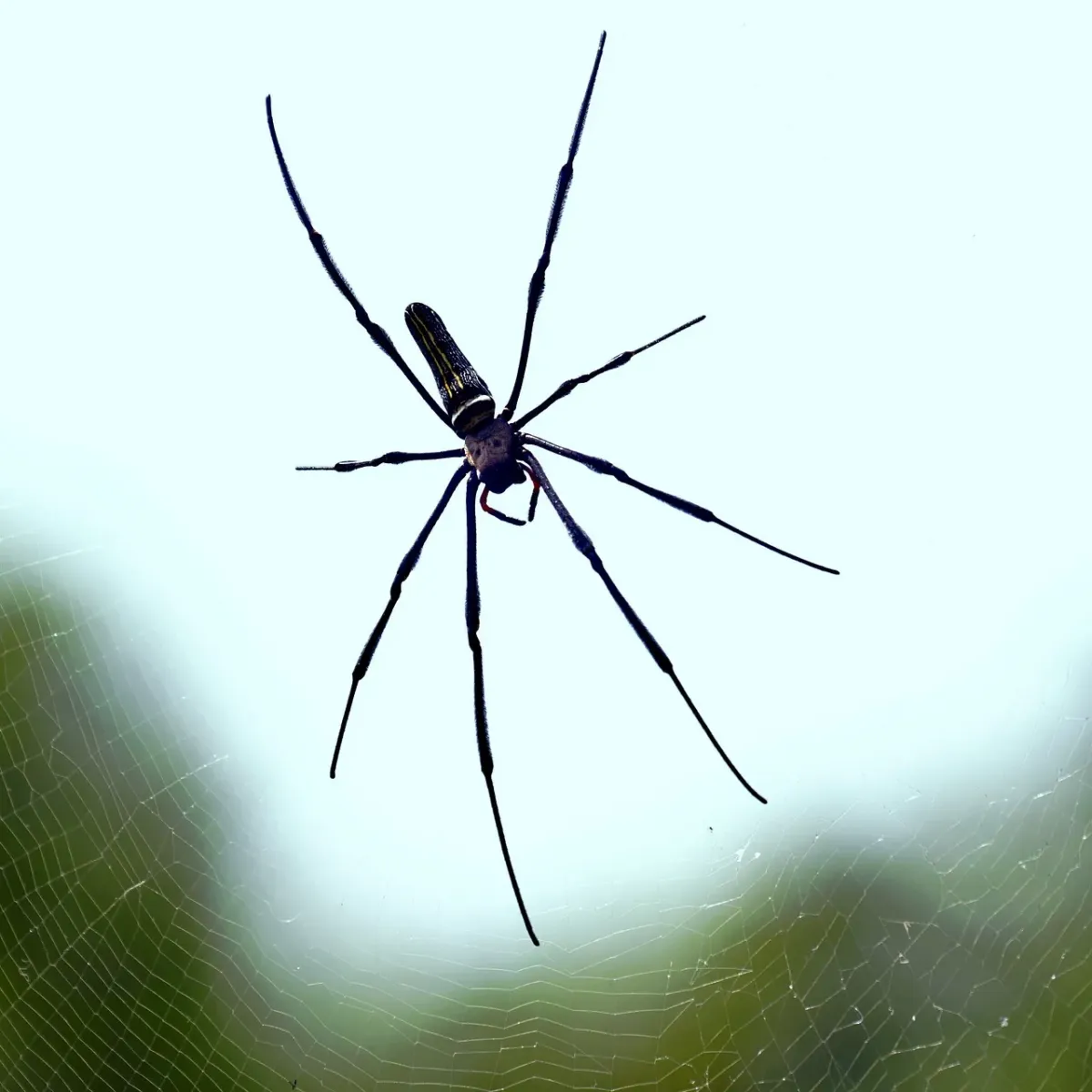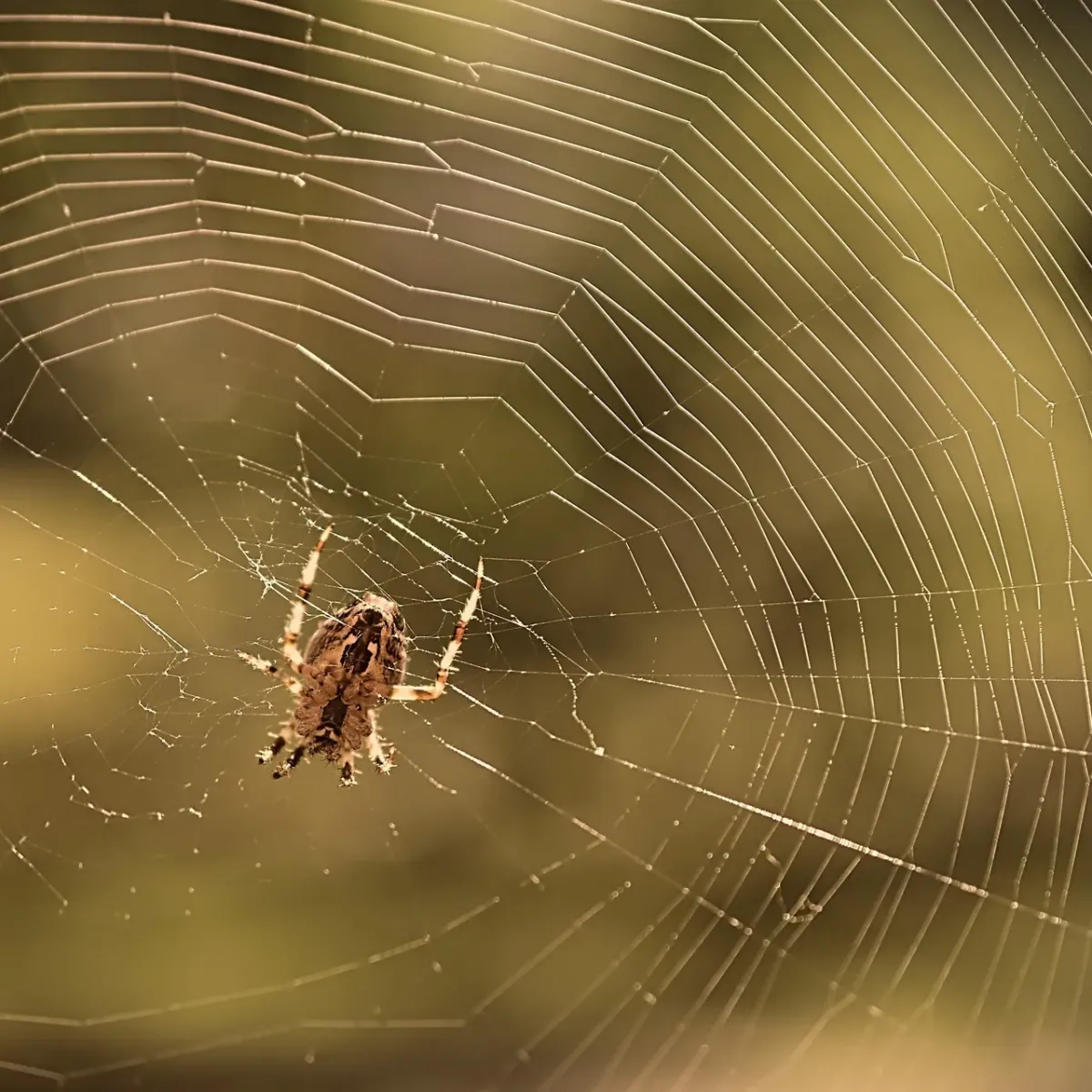
River air and shaded yards can keep spiders nearby.
Spider issues in Decatur often begin where the house meets the dampost or quietest part of the yard. A porch light starts catching webs, the garage frame gets messy again, and then a spider appears in a room nearest the patio side of the house. In a Tennessee River city, the outside edge can stay active longer than homeowners expect.
TDI Green Services provides spider control in Decatur, AL for homeowners dealing with repeated webs, spider sightings, egg sacs, and spider activity around porches, garages, patios, storage spaces, and lower-use rooms. Decatur combines older neighborhoods, backyard-oriented homes, river influence, and greener sections near Wheeler country, which can give spiders exactly the mix of insects, moisture, and shelter they need.
Why Spider Problems in Decatur Need More Than a Quick Spray
A quick spray usually goes where the homeowner last noticed movement. In Decatur, that often leaves the real support system untouched. A shaded shrub bed stays damp, a back fence line holds insect activity, or patio furniture stays still long enough to become shelter. The spider you saw was only the visible part.
That is why the same few places often become active again. The corner by the garage light, the porch beam facing the yard, or the lower storage room closest to the exterior wall can keep cycling back because the outdoor conditions never really changed.
Professional spider pest control works better when the treatment follows the property pattern. In Decatur, the route often starts near the greener or wetter side of the lot and then works inward toward storage-heavy or lower-use indoor spaces.
Decatur homes often attract both wandering and web-building spiders.
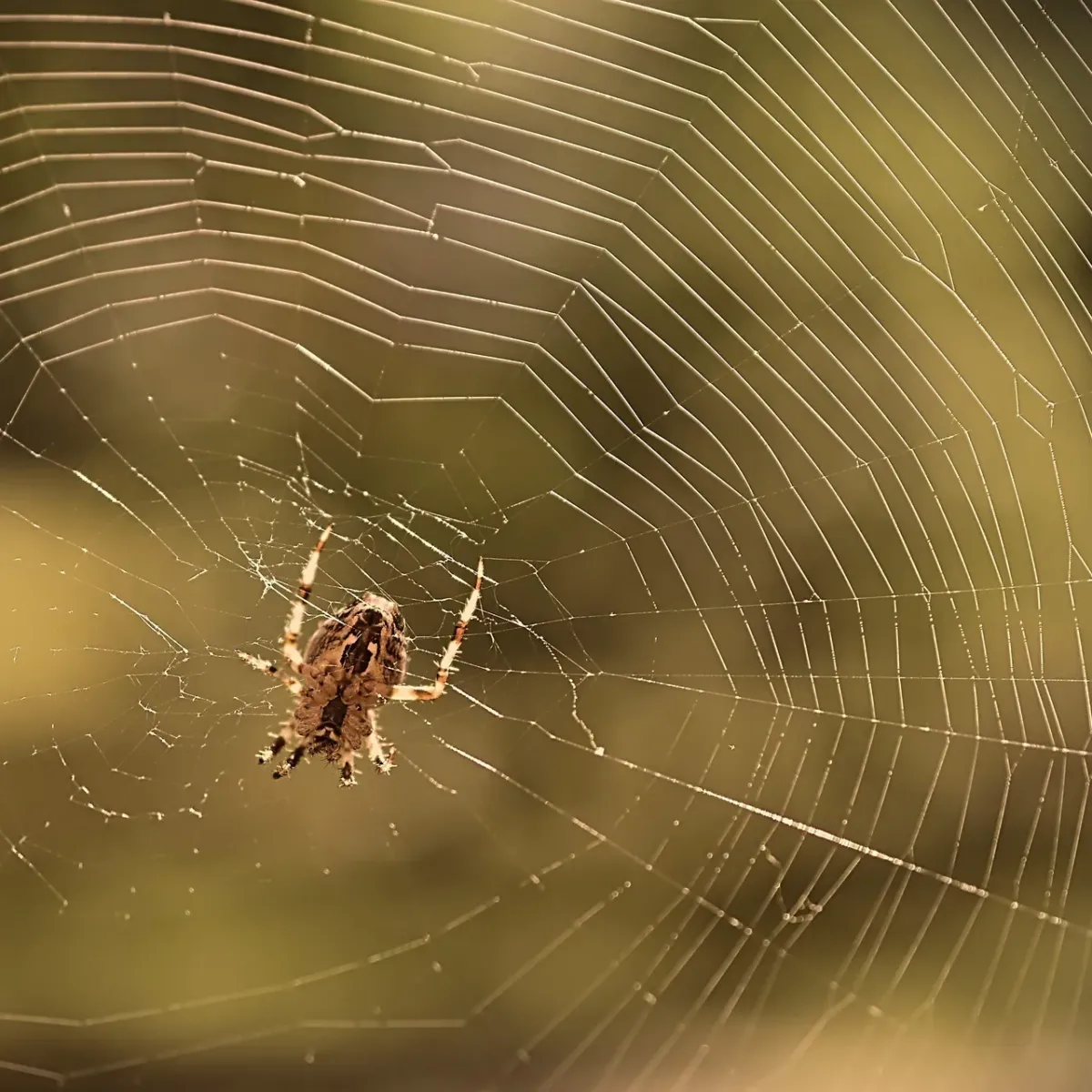

Wolf spiders are often the first ones people notice because they move across open floors and garage slabs rather than staying tucked inside webs. They may show up near utility rooms, lower-use hallways, or the edge of a storage area where sudden movement catches attention.
House spiders and cellar spiders usually make themselves known through persistent webbing. Ceiling corners, closet shelves, garage rafters, and the upper edges of utility spaces can all become their usual territory when those places stay quiet.
Outside, orb weavers may build around porch rails, patio corners, shrubs, and outside lights. Jumping spiders may show up on sunny trim, shutters, or outdoor furniture. Black widows should be handled carefully if suspected around darker storage areas, utility boxes, wood piles, or low-traffic structures. Brown recluse concerns should be addressed through proper inspection rather than guesswork.
Repeated activity matters more than a single sighting.
In Decatur, the strongest sign is often how predictable the nuisance becomes. The same light fixture keeps picking up webs. The same closet or storage corner produces another spider. The same garage edge never seems to stay clear for long.
There may also be quieter clues. Egg sacs behind boxes, insects trapped in webbing near a back light, shed skins in utility spaces, and new strands appearing soon after cleanup all point to a pattern that has already had time to settle in.
When the outside signs and the inside sightings begin lining up on the same side of the house, the issue usually has a route. That is when cleanup stops being enough and control becomes more useful.
Spiders enter where insects stay close to walls and doors.
Decatur homes can attract spiders because the outside edge often stays useful to them. River-adjacent humidity, damp grass after rain, shaded landscaping, exterior lighting, and quiet patio zones can all keep prey close to the structure.
The entry points are usually simple. Worn sweeps, lower windows, garage seals, torn screens, utility penetrations, and narrow trim gaps can all give spiders a path indoors once they are already active nearby.
The seasonal shift makes the movement easier to spot. Summer often keeps more activity outside around porches and garage fronts. Fall usually brings more spiders into closets, storage rooms, and lower-use spaces where the shelter is steadier.
Spider shelter usually forms where shade and storage overlap.
On Decatur properties, spiders often choose the places that combine cover with low disturbance. Patio furniture undersides, garage shelving, porch ceilings, utility rooms, closet tops, attic corners, and the backs of stacked bins all provide the stillness they want.
Outside, they may settle in fence lines, foundation seams, roof eaves, shrub masses, stacked planters, grill covers, and the more shaded side of the house. In older neighborhoods especially, those outside edges can stay useful longer than people realize.
Inside, spiders do best where a room stays functional but not heavily inspected. That is why storage-heavy spaces keep showing up in the pattern.
A good spider plan starts where the trouble repeats.
We inspect the sections of the Decatur property most likely to explain the pattern, including porches, patios, garages, visible web zones, likely entry points, storage areas, and the outside spaces where insects remain active.
Treatment may include targeted applications, exterior perimeter work, web removal, visible egg sac removal, crack-and-crevice treatment, residual materials, and interior spot treatment where spiders are already appearing indoors.
Prevention recommendations may include improving storage layout, sealing narrow gaps, trimming plants back, repairing screens, replacing worn sweeps, and reducing insect-heavy lighting around key exterior areas.
Because spider issues in Decatur often return to the same moisture- and shade-related corners, follow-up helps keep those problem spots from rebuilding after treatment.
Decatur spider activity follows humidity and seasonal change.
Spring
Spring usually brings webs back to fences, lights, shrubs, porches, and garage exteriors as insect activity rises around the property.
Summer
Summer often makes the issue easiest to notice. Warm evenings, humid air, outside lighting, and shaded patio zones keep web-building spiders active around the spaces homeowners use most.
Fall
Fall usually shifts more of the issue indoors. Closets, utility rooms, lower-use spaces, and storage corners begin seeing more activity as outdoor shelter becomes less dependable. Winter may reduce outside webbing, but protected indoor corners can still hold spiders and egg sacs.
DIY sprays usually miss the conditions driving the repeat cycle.
DIY treatments usually focus on the spider you can see right now. That may help briefly, but it often leaves behind the insect-heavy light, the hidden egg sac, and the protected outside corner that keeps supporting the next round.
That is why the same trouble spots often become active again. The visible symptom changed, but the environment behind it did not.
Professional spider control works better because it treats the repeated route between outside feeding zones and inside shelter instead of reacting to the latest surprise.
Prevention works when damp sheltered corners stop staying useful.
Decatur homeowners can help by clearing webs from porch lights and patio corners, keeping storage easier to inspect, moving stacked materials away from tight wall edges, and checking outdoor furniture more often.
It also helps to repair torn screens, replace worn sweeps, seal small gaps, trim shrubs away from siding, and reduce strong insect attraction around the most active outside lights.
Spider prevention usually works best when the easiest outside shelter stops feeling dependable to spiders.
Spider treatment should fit homes built around porches and patios.
TDI Green Services uses licensed technicians and focused spider treatments designed around where activity is actually happening. That helps keep service centered on the parts of the property carrying the most pressure instead of treating every area the same way.
Families and pets still need to use porches, garages, patios, and storage areas normally. Spider control should support everyday routines without making the home harder to live in.
The goal is to reduce spider activity in the places that matter most while keeping the property practical and comfortable.
Local Decatur context helps shape better spider control.
TDI Green Services serves Decatur through its Hartselle location and understands that river-city moisture, older neighborhoods, patio-heavy homes, garages, and shaded yard edges create a very specific spider-control pattern. A Decatur spider issue often begins outside near the side of the property where insects stay active longest and then works inward toward the nearest storage or lower-use room. Treating only the latest sighting usually misses how the route is actually forming.
TDI Green Services approaches spider control with that local property awareness in mind, helping homeowners reduce repeated webs and sightings where they are truly starting.
Decatur homeowners often ask practical questions about patios and garages.
Schedule spider control in Decatur with TDI Green Services if porches, patios, garages, storage spaces, or lower rooms keep producing the same webs and sightings. Book an inspection and let us sort out which outdoor conditions are feeding the problem and where the route needs to be interrupted first. A timely plan can make the whole property feel more comfortable again.