
Get Professional Tips & Details on These Flying Insects
Have you ever stepped outside to find hundreds of winged insects coating every surface in sight? If so, you’ve met the mayfly. The good news? Mayflies are harmless. They don’t bite, they don’t sting, and they don’t carry disease. But “harmless” doesn’t mean “not annoying.”
Whether you’re dealing with an active swarm or just curious about those flying bugs that show up every spring, the pest control experts at TDI Services are sharing everything you need to know.
What Are Mayflies?
Mayflies belong to the insect order Ephemeroptera, and despite the name, they’re not true flies. They’re actually more closely related to dragonflies than to houseflies or mosquitoes. Depending on where you live, you might know them as shadflies, lakeflies, or dayflies. Same bug, different zip code.
What often gets overlooked is their ecological importance, especially in Alabama. Mayflies serve as a critical food source for fish, birds, and bats, and their presence in a body of water is generally a sign that it’s clean and healthy. So while a swarm on your patio is a nuisance, it’s also a little reassuring from an environmental standpoint.
Common Traits:
- Size: roughly ¼ inch to just over 1 inch long
- Slender body with a long, tapered abdomen
- Two or three long tail filaments called cerci
- Four clear, veined wings held upright when at rest
- Large, prominent compound eyes
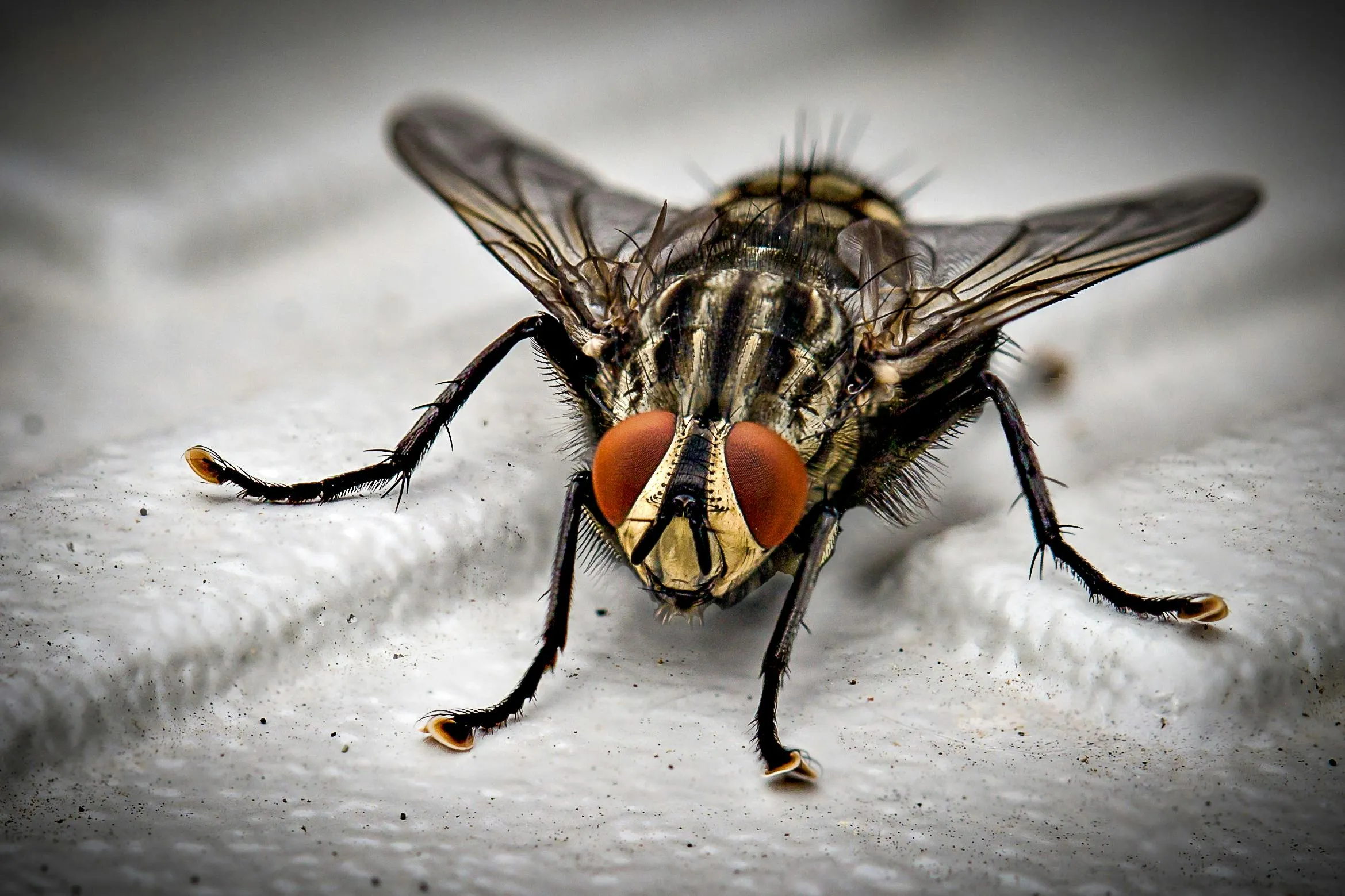
Deep Dive Into Mayfly Appearance
The adult mayfly has a look that’s easy to recognize once you know what to watch for. That upright wing posture is the biggest giveaway (wings folded tent-like over the body, not flat against it). The tail filaments are another distinctive feature; most insects don’t have two or three long threads streaming behind them.
People often confuse adult mayflies with mosquitoes or crane flies. Here’s how to tell them apart: mosquitoes have a proboscis (a needle-like mouthpart), while mayflies have no functional mouthparts at all. Crane flies are larger and gangly, with wings that rest flat rather than upright. If it has long upright wings and tail filaments, you’re almost certainly looking at a mayfly.
Mayfly nymphs (the immature, underwater stage) look quite different. They’re stockier, darker, with visible gills along the abdomen. You’d only encounter them if you were poking around in a stream or river.
Life Cycle & the Reason for Swarms
Mayfly eggs hatch into aquatic nymphs, which spend months or years underwater. When conditions are right — typically warm, calm evenings in late spring — thousands of nymphs synchronize their emergence. They swim to the surface, shed their larval casing, and take flight as winged subadults.
Once fully adult, they swarm — sometimes in numbers that look like storm clouds rolling in off the water. Females can lay anywhere from 500 to 8,000 eggs on or just below the water surface, depending on species and body size. The eggs sink, settle on the bottom, and the cycle starts all over again.
The synchronized emergence is what creates that sudden, overwhelming swarm effect. Combine calm air, warm Alabama temperatures, and a nearby light source, and you’ve got exactly the scene that sends homeowners reaching out to us for pest control services.
Why Are There Lots of Mayflies Some Years?
Population swings are completely normal. Natural cycles, water temperature, larval survival rates, clean water conditions, and weather patterns all affect how large a given year’s emergence will be.
A mild winter followed by a warm, wet spring ,which the Gulf Coast sees regularly, can produce massive hatches. There’s no predicting it precisely, but the pattern tends to repeat year after year in the same general areas.
Where Do Mayflies Live in Alabama?
Mayflies are always tied to freshwater: lakes, rivers, ponds, and streams. Their presence in a waterway is usually a positive ecological sign, since heavily polluted water tends to wipe out mayfly populations before most other indicators show trouble.
As adults, they venture away from the water some. They’re weak fliers, and light pulls them like a magnet. Around Alabama homes, you’ll most often find them clustered near:
Outdoor lights: Especially bright white bulbs or older mercury vapor fixtures
Docks, patios, and pool areas: Particularly at night during peak emergence
Vehicles: The smooth surface appeals to them, and the mess they leave behind is genuinely unpleasant
Siding and windows: They cling to vertical surfaces and are hard to miss at scale
Do Mayflies Sting & Bite?
No. It’s not even possible for them to bite or sting you because they lack the mouthparts to do so. Their digestive systems are filled with air, so they can’t eat, drink, or do anything other than mate and die.
If you’ve felt something “bite” you during a mayfly swarm, it was almost certainly a mosquito or midge that happened to be in the same area at the same time. It’s an honest mistake since swarms attract confusion.
Mayflies also don’t transmit diseases. They’re not vectors for anything. The worst they’ll do is get tangled in your hair or leave a slippery mess on your driveway.
How Long Do Mayflies Live?
Larval (Nymph) Stage
Did you realize that the vast majority of a mayfly’s life happens underwater? Nymphs (also called naiads) live in rivers, streams, and lakes for anywhere from a few months to two full years. During this time, they feed on algae, decaying organic matter, and aquatic plant material, molting repeatedly as they grow.
Adult Stage
Adult mayflies typically live between 12 and 48 hours. That’s it. Some species may survive a few days under ideal conditions, but for most, the clock starts ticking the moment they emerge from the water. Their entire adult existence is focused on one goal: reproduction. They don’t eat. They don’t sleep. They find a mate, lay eggs, and die.
So when you ask “how long do mayflies live?” the honest answer is that most of their life is aquatic, and the part you actually see lasts less than two days.
When Are Mayflies Most Active?
Typically, late spring through summer is peak season. In the South, that window opens earlier than most people expect. Alabama and Gulf Coast states typically see emergence in April or May, driven by warmer water temperatures that carry through winter and into spring.
That’s noticeably earlier than the Midwest, where heavy swarms near the Great Lakes run from late May through July, and far earlier than northern states, which deal with shorter, more intense windows.
Warm, calm evenings tend to trigger emergence. When a front moves through and drops temperatures, which Alabama gets its fair share of in spring, swarms often pause or disappear entirely, then resume once conditions stabilize.
Are Mayflies Dangerous?
To your health? No. To your property? Not structurally.
But that doesn’t mean they’re nothing. Dead mayflies pile up fast, and the accumulation creates real problems. Decaying carcasses smell like rotting fish. Large piles on sidewalks or roads become genuinely slippery. It’s a real hazard worth taking seriously. And if you let the buildup sit, the birds and bats that come to feed on the carcasses bring their own set of issues along with them.
So they’re not dangerous, but a legitimate nuisance when numbers get high.
What Attracts Mayflies?
Calm, warm evenings. Still air and warm temperatures create ideal emergence conditions, and Alabama has plenty of both from spring onward.
Reflective surfaces. Pools, polished siding, and car hoods can attract mayflies because they may interpret reflected light as water.
Outdoor lighting. Bright white or blue-spectrum lights are the biggest draw. Warm-toned bulbs are far less appealing to insects in general, and that difference is real.
Proximity to water. There’s no getting around geography. If you’re within a mile of a lake, pond, or river during emergence season, you’re in the zone.
How to Get Rid of Mayflies
Let’s be direct: you can’t eliminate mayflies at the source. The breeding population is aquatic, spread across entire waterways, and completely out of reach of any home pest treatment. What you can do is reduce how many end up on your property and make cleanup faster.
Immediate Cleanup
During and after a swarm, a broom, shop vac, or garden hose is your best tool. The sooner you remove dead insects, the less odor and slipping hazard you’ll deal with. Don’t let piles sit.
Light Management
Switching from bright white bulbs to yellow or amber LED bulbs makes a noticeable difference. Motion-sensor lighting instead of constant illumination helps too, and directing outdoor lights downward rather than outward limits the insect draw even further.
Honestly, during heavy swarm nights, turning off your porch lights entirely is the single most effective thing you can do.
Prevention Tips
- Keep window and door screens in good repair
- Close curtains near windows with exterior lighting during emergence evenings
- Use fans on patios; mayflies are weak fliers and even a moderate breeze discourages them
- If you have a decorative pond or water feature, know that it may attract egg-laying females
Are Insecticides Effective?
Not well. And they’re usually not worth it. Mayflies don’t live long enough for pesticides to be a meaningful solution, and spraying near water sources raises legitimate environmental concerns. Because adult mayflies only fly for one to two days, the swarm ends on its own. Insecticides are occasionally justified for severe commercial situations, but for residential use in Alabama, they’re generally unnecessary.
Mayflies vs Similar Alabama Insects
Mayflies vs. Mosquitoes These two get confused constantly, especially during swarms. The key difference? Mosquitoes bite and mayflies don’t, and can’t. That’s a big part of why mosquito control is a pest control priority while mayfly control largely isn’t. Mosquitoes also hold their wings flat at rest, while mayflies hold theirs upright like tiny sails. Up close, mosquitoes have that telltale needle-like proboscis. Mayflies have nothing of the sort.
Mayflies vs. Crane Flies Crane flies are the gangly, long-legged insects people often mistake for “giant mosquitoes.” They’re bigger than mayflies, their wings rest flat, and they lack the distinctive tail filaments. Both are harmless to humans, but crane flies can sometimes damage lawn roots during their larval stage.
Mayflies vs. Midges Midges are tiny, often swarm near water, and are frequently the actual culprit when people report “mayfly bites.” Some midge species do bite. If you’re getting welts during what looks like a mayfly swarm, midges are the more likely suspect. Mayflies are generally larger, with that upright wing posture and long cerci that midges simply don’t have.
Reach Out to a Pest Control Pro If…
For most Alabama homeowners, mayfly swarms are a brief, annual inconvenience that resolves itself within a couple of days. But there are situations where professional help makes sense:
- Recurring severe swarms affecting quality of life year after year, with no improvement from DIY management
- Commercial properties where insect buildup creates genuine safety hazards on walkways, parking lots, or storefronts
- Uncertainty about whether you’re dealing with harmless mayflies or disease-carrying mosquitoes
TDI Services’ pest control team can also assess whether other insects are mixed into what looks like a mayfly swarm and advise on integrated approaches tailored to your specific property and situation.
Mayfly FAQs
-
How long will a mayfly swarm last?
Peak emergence typically lasts one to three days, sometimes up to a week if multiple species are hatching in sequence.
-
Are mayflies a sign of dirty water?
Actually, the opposite. Mayfly populations are sensitive to water quality and tend to thrive in cleaner water. Their presence near Alabama’s lakes and waterways is generally a good ecological sign.
-
Why are mayflies attracted to light?
They use natural light sources to navigate. Artificial lights disrupt that system and draw them in. Bright, blue-spectrum bulbs are the worst offenders.
-
Can mayflies infest my house?
Not really. They don’t breed indoors, don’t eat anything inside your home, and die quickly. A few may slip through an open door, but they won’t establish themselves.
-
Do mayflies damage lawns or plants?
No. Adult mayflies can’t feed at all, and their larval stage is entirely aquatic. Your lawn and garden are safe.
Annoying Pest Problems? Let Us Know!
Mayflies swarming your porch or backyard can be genuinely frustrating, but the fix is simpler than it seems. Switch to warm-toned outdoor lighting, clean up quickly, and know the swarm will pass in a day or two on its own.
Whether you’re dealing with mayflies, mosquitoes, or other lawn pests, TDI Services can help you develop a seasonal pest management plan tailored to your property and location. Reach out to TDI Services in the Gulf Coast of Alabama. With highly trained technicians and industry-leading products, we’ll take steps to help achieve your dream yard.