
As fall arrives, the needs of your lawn change. The cooler weather and increased rainfall mean your lawn requires less water compared to the hot summer months. Overwatering can become a significant issue in the fall, leading to problems such as root rot and fungal growth. It’s crucial to understand how to adjust your irrigation practices to keep your lawn healthy.
In this article, we will explore the importance of adjusting your watering routine for the fall, recognize signs of overwatering, and provide essential tips for maintaining your irrigation system. With the right approach, you can keep your lawn looking its best through the autumn months.
Understanding Fall Irrigation Needs
As temperatures drop in the fall, your lawn’s water needs change. Cooler weather and increased humidity reduce the rate at which water evaporates from the soil. This means your lawn requires less frequent watering compared to the hot summer months. Overwatering can lead to problems like shallow root growth, which makes your lawn less resilient to stress and disease.
Grass growth also slows down in the fall, further reducing the amount of water needed. It’s important to monitor rainfall. If your area receives regular rain, you may need to water even less. Using a rain gauge can help you keep track of how much water your lawn is getting naturally.
Knowing your soil type can also guide your watering practices. Sandy soils drain quickly and may need more frequent, but shorter, watering sessions. In contrast, clay soils retain water longer, so they need less frequent watering. Adjust your irrigation schedule based on these factors to keep your lawn healthy and avoid the risks of overwatering.
Common Signs of Overwatering Your Lawn
Identifying the signs of overwatering can help you make timely adjustments to your irrigation routine. Here are some common symptoms to watch out for:
- Mushrooms and Fungi: Seeing mushrooms popping up in your lawn is a clear sign of excess moisture. Fungi thrive when there is too much water, indicating that you need to cut back on watering.
- Yellowing Grass: While yellowing can sometimes indicate drought stress, it can also be a sign of overwatering. Excess water can drown the grass roots, causing them to turn yellow and eventually die.
- Spongy Soil: Walk across your lawn. If the ground feels soft and squishy underfoot, it is likely waterlogged. This is a sure sign that you need to reduce your watering frequency.
- Pooling Water: After watering your lawn or a rainstorm, look for standing water. Puddles signify that your lawn is not absorbing water efficiently, which can lead to root rot and other issues.
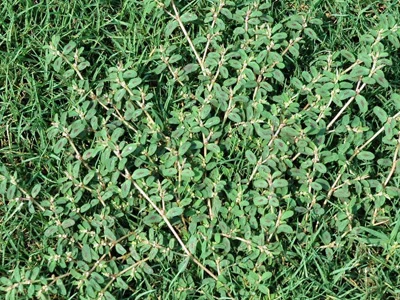
- Increase in Weeds: Overwatering can encourage the growth of certain weeds like crabgrass and nutsedge. These weeds thrive in wet conditions and can quickly take over your lawn.
By recognizing these signs, you can adjust your irrigation practices to provide the optimal amount of water for your lawn’s needs. Ensuring proper irrigation helps maintain a healthy, vibrant lawn through the fall season.
Adjusting Your Irrigation Schedule for Fall
Adapting your irrigation schedule for fall is crucial to avoid overwatering. Here are some steps to ensure your lawn gets the right amount of water:
- Reduce Frequency: As temperatures drop, your lawn requires less frequent watering. Start by cutting down the number of watering days per week. Instead of daily watering, consider every other day or even twice a week, depending on the weather and rainfall.
- Water During Optimal Times: The best time to water your lawn is in the early morning. This allows the grass to absorb water before the sun gets too hot and reduces the risk of fungal growth that can occur with evening watering.
- Monitor Rainfall: Keep an eye on the weather forecast and adjust your watering schedule accordingly. If significant rainfall is expected, turn off your irrigation system to prevent overwatering.
- Use a Rain Sensor: Installing a rain sensor on your irrigation system can automatically stop watering when it detects rainfall. This helps avoid unnecessary watering and conserves water.
These adjustments ensure your lawn receives adequate hydration without the risk of overwatering, promoting a healthy and robust root system.
Maintenance Tips for Irrigation Systems in Fall
Proper maintenance of your irrigation system in the fall helps to keep it running efficiently. Here are key maintenance tips:
- Inspect Sprinkler Heads: Check all sprinkler heads for damage or clogs. Clean or replace any that are not functioning correctly to ensure even water distribution.
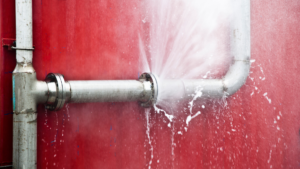
- Check for Leaks: Inspect your irrigation system for leaks or broken pipes. Leaks can lead to water waste and overwatering in certain areas of your lawn.
- Adjust Sprinkler Settings: Make sure your sprinklers are aimed correctly to avoid watering sidewalks, driveways, or other non-lawn areas. Adjustments can help save water and ensure your lawn gets even coverage.
- Test System Performance: Run a test cycle to observe the performance of your entire irrigation system. Look for areas with excessive pooling or dry spots and adjust your system to correct these issues.
- Winterize If Needed: In regions where temperatures drop below freezing, winterizing your irrigation system is essential. This involves draining or blowing out any remaining water to prevent pipes from freezing and bursting.
Maintaining your irrigation system ensures it remains efficient and effective, reducing the risk of overwatering and promoting a healthy lawn.
Conclusion
Fall is a critical time to adjust and maintain your irrigation system to avoid overwatering. Understanding how your lawn’s needs change with the season helps you make the necessary adjustments. Recognizing signs of overwatering, like yellowing grass and pooled water, allows for early intervention.
For expert assistance and reliable irrigation services, trust TDI. Our team can help you optimize your irrigation system for the fall season. Contact us today to schedule an appointment and keep your lawn healthy and vibrant.