
Proper Lawn Care Tips for Dormant or Unhealthy Grass
When your lawn goes from green to brown, you may worry. Do you suddenly have dead grass or is your yard somehow still alive? Some homeowners act too quickly, ripping everything out and starting back at square one.
Before you take on a full lawn renovation, let’s determine whether you even have a problem or not. We’re sharing important details on the differences between dormant and dead grass, along with professional lawn care tips from the expert team at TDI Services!
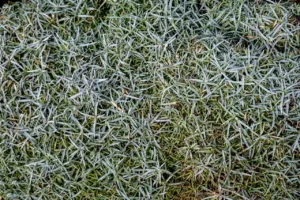
Is Your Yard Dead or Dormant?
Dormancy is a normal thing for your lawn. It’s as though your grass is hibernating and storing energy until better weather shows up. Dead grass though? That really only happens when the crown and roots can no longer grow.
So how can you tell the difference? Bend closer to the grass and look closely at the base. If you see a touch of green near the crown (where roots and shoots meet), your grass is probably just dormant.
Another option? Trying pulling it. Tug gently on a handful of your lawn. Dormant grass stays put due to healthy roots. Dead grass doesn’t resist, easily coming up with a bit of effort.
Remember, dormant grass has the same color all over, with blades still standing. It’s a brownish, tan color. But if your yard is full of brown grass that’s patchy, squishy, or has a foul odor, something might be wrong. The problem could be serious.
Why Does Grass Die or Turn Brown in Alabama?
Brown grass that’s legitimately dead is a real problem. But you’ll first need to determine the reason it’s brown or dead before you do anything about it.
Watering mistakes. If you underwater, your grass gets stressed out, the roots shrink up, and eventually, the whole plant gives up. Too much water leads to roots suffocating without oxygen, and then you’ve got root rot and fungi moving in. And don’t forget that uneven irrigation can leave dry patches.
Mowing too short. Cutting off too much of the grass blade at once is not a good idea. The grass can’t photosynthesize well, roots get shallow, and the grass gets stressed. Then disease or drought finishes the job.
Dog urine causes brown spots with a bright green ring around them. The big blast of nitrogen burns the center but feeds the edges. It’s a headache for any dog owner.
Insects. Grubs feast on roots, harming grass from the bottom up. You probably won’t notice anything until it’s too late. Other bugs like crane fly larvae, billbugs, or chinch bugs attack too, depending on where you live and what kind of grass you’ve got.
Lawn care timing. If you overseed warm-season grass right before frost, it won’t grow. Pouring on nitrogen during the hottest part of summer? That’s just asking for disease when your lawn is most vulnerable.
Lawn diseases and fungi. These can create uneven brown patches. For instance, brown patch fungus leaves big dead circles. Dollar spot makes small, round dead spots. Red thread shows up as a pinkish tint before the grass fades.
Soil pH. If the pH is too acidic or too alkaline, your grass can’t absorb nutrients. Most lawns want a pH between 6.0 and 7.0. If yours isn’t in that zone, the grass just gets weaker over time.
Compacted soil. Maybe you’ve got heavy clay, lots of foot traffic, or you just haven’t aerated in years. The soil gets dense, roots can’t spread, water can’t seep in, air can’t move. Your lawn’s grass will steadily worsen over time.
Thatch. This is the spongy mat of dead roots and stems between the green grass and the dirt. If it piles up thicker than half an inch, water just runs off, and disease organisms thrive underneath.
Steps to Give a Dead Lawn New Life
- Figure Out the Cause
Start with a soil test. You’ll find out your lawn’s pH, what nutrients are missing, and how much organic matter you’ve got. Then check for drainage problems. After a good rain, walk around and see where water pools.
Pull up bits of grass in a few spots and check the roots. Are they brown and mushy, or white and healthy? Shallow, dying roots mean you’ve got a soil or watering problem. Deep and firm roots point to something else.
- Prep Your Yard
Begin this portion by getting rid of weeds. Next, mow the grass down to between 1 and 2 inches. You want those seeds to reach the dirt, not just sit on top of old grass and dry out.
Also, be sure to rake up everything. Leaves, sticks, acorns, etc. And if your thatch layer is thick (over half an inch), you can dethatch as well.
Last, aerate your lawn. Aeration breaks up compaction and lets your lawn breathe, so it can more easily receive water and nutrients.
- Revive the Grass That Can Return
When grass seed sits on hard-packed soil, it dries out before it even gets a chance to sprout. And without starter fertilizer, any seedlings that do manage to pop up struggle to survive.
Timing matters, too. For cool-season grasses, early fall is perfect. Spring is your backup. By then, soil has cooled off from summer but still holds enough warmth (about 50-65°F) for seed to germinate. Warm-season grasses do best when you seed in late spring or early summer, once soil temps hit 65-70°F and stay there.
After you spread the seed, rake lightly. This helps the seed make contact with the soil. Some homeowners even add a thin layer of compost or topsoil to help things along.
- Use the Right Amount of Water
You need to keep the soil moist, as in evenly damp, for the first 2 to 3 weeks. Usually that means watering every day, sometimes twice a day if it’s hot, dry, or windy. Light, frequent watering works best for this. The top inch of soil should feel slightly wet when you touch it.
Once you see grass come up and it’s about 1-2 inches tall (usually after a few weeks), switch to deeper, less frequent watering. This encourages roots to grow down and get strong.
By week 4 to 6, you can settle into your regular routine of 2 inches of water per week, delivered in one or two good soakings instead of daily sprinkles.
- Continue Proper Lawn Care
Mow often, but don’t go too low. Never mow more than a third of the blade height at once. And don’t forget to keep watering, even after the new grass is established.
Lastly, feed your lawn regularly to give it the lush, vibrant look all homeowners want!
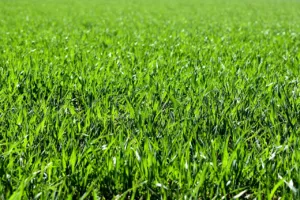
What Does Dormancy Look Like?
During winter in the South, your lawn’s grass may become dormant or suffer from frost damage. But it’s not dead. Warm-season grasses (Bermuda, Zoysia, Bahia, and St. Augustine) stop growing and/or turn brown or become less vibrant.
That’s because less sunlight makes photosynthesis more difficult. Cooler temperatures also cause warm-season grasses to slow their growth and/or turn brown, which is normal.
However, below the surface, it’s still active as the soil experiences decomposition and nutrient cycling. Microbes are still breaking down organic materials. It’s a process that slowly releases nitrogen, phosphorus, and potassium for use when the grass becomes active again in spring.
During dormancy, those nutrients are stored in the roots and crown. Just remember that the crown is the lifeblood of grass, responsible for storing energy and producing new growths.
As temperatures rise, grass “wakes up.” Spring comes, your lawn begins actively growing again, and a green color returns.
Dormancy Depends on Where You Live
Without enough water, cool-season lawns, like fescue or bluegrass, go dormant in the summer. They’ll turn brown in July and August, waiting out the hot, dry months until September cools things down.
Warm-season lawns in Alabama do the opposite. They turn brown in winter and come back strong in the spring, staying green all summer when cool-season grasses would be toast.
Where exactly you live makes a difference to your grass type, too. In North Carolina’s transition zone, warm-season grass might start going dormant when nighttime temps drop below 50°F in late fall. In the South, those same grass varieties might not see dormancy until December.
FAQs About Dying Grass
Will fertilizer bring dead grass back?
No, fertilizer only helps living plants. It can help healthy grass grow faster and fill in bare spots, but it won’t revive dead patches.
What if only some patches are dead?
Just fix those spots. No need to redo your whole yard. Figure out what killed those areas, treat the problem, prep the soil, and reseed. Use the same type of grass for best results.
Can brown grass turn green again?
If it’s just dormant, absolutely. If it’s truly dead, it’s not coming back. Do the pull test and check the base of the plant for green.
Can you reseed right over dead grass?
You can, but it rarely works well. Dead grass blocks seeds from reaching the soil, shades out new sprouts, and can carry disease.
Should you mow dead grass?
Yes, especially if you’re adding new seed. Cutting it low helps you see bare spots and gives new seeds a better shot at touching soil.
How long can grass go without water?
It depends. Cool-season grasses can survive 2 to 4 weeks before you see real damage. Warm-season types like Bermuda can hang on for 3 to 6 weeks in dormancy, but after that, they may die without rain.
Trust Your Alabama Lawn to the Local Experts
A yard can be a point of pride or a source of pain. It depends on your grass’ health, the amount of time and energy you’ve invested, and how good it looks. Ready to achieve the lawn of your dreams without all the stress? Reach out to TDI Services in the Gulf Coast of Alabama today to learn more. With highly trained technicians and industry-leading products, we’ll take steps to help achieve your dream yard.