
Learn How to ID & Control the Most Annoying Pest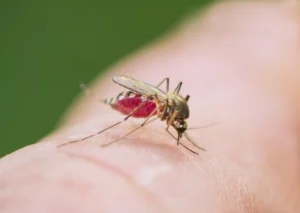
That persistent buzzing sound and those itchy welts appearing on your skin can absolutely destroy what should’ve been a pleasant evening outside. But here’s what’s important to understand: different mosquito species carry very different levels of risk.
Certain varieties are far more than just irritating…they’re legitimate health hazards. Meanwhile, others are relatively harmless and won’t make you sick. Stick around as the mosquito control specialists at TDI Services break down how to distinguish between mosquito species and identify which ones pose the greatest danger.
Just How Many Mosquitoes Are We Dealing With?
Across the globe, there are more than 3,000 distinct mosquito varieties. The United States hosts roughly 200 of these species, with Alabama having even fewer. What should reassure you is that only a small fraction can actually transmit diseases to people.
Experts categorize these insects into four primary families: Culex, Aedes, Anopheles, and Culiseta. Their behaviors vary dramatically. Each group feeds at different hours, targets different hosts, selects different egg-laying sites, and inhabits different geographic zones.
Interestingly, plenty of mosquitoes have zero interest in biting humans. They’d much rather feed on birds or various other creatures. And some species don’t bite at all!
-
Culex Mosquitoes
This particular group becomes active primarily during evening through nighttime hours. They’re the indoor invaders we encounter most frequently, typically establishing breeding colonies in stagnant or polluted water like drainage systems, blocked gutters, or neglected pools. Throughout the U.S., Culex mosquitoes stand out as the primary vectors for transmitting West Nile virus to people.
Southern House Mosquito (Culex quinquefasciatus)
- Recognized for spreading West Nile virus, St. Louis encephalitis, and canine heartworm
- Prefers breeding in nutrient-dense standing water
- Distributed across Southern U.S. regions
Western Encephalitis Mosquito (Culex tarsalis)
- Capable of reproducing at altitudes reaching 10,000 feet, creating concerns even in mountain communities
- Inhabits Midwest and Western territories
- Inflicts a notably more painful bite compared to related species
Northern House Mosquito (Culex pipiens)
- Overwinters both indoors (in basement areas, crawl spaces, attic spaces) and outdoors (within animal dens, tunnel systems, rotting logs)
- Flourishes in city and suburban settings, especially in warm, tropical-like conditions
- Exploits human infrastructure, depositing massive egg quantities in sewer systems, detention ponds, storm drain basins, ground-level pools, and wastewater receptacles
-
Aedes Mosquitoes
These pests have become remarkably adapted for living alongside human populations. Unlike typical mosquito patterns, they’re aggressive feeders during daylight hours.
When your afternoon outdoor plans get interrupted (whether you’re gardening or hosting a backyard cookout)? You’re probably dealing with Aedes. What makes them even more problematic is their pronounced preference for human blood over animal blood.
Asian Tiger Mosquito (Aedes albopictus)
- Relentless, aggressive feeding patterns throughout daytime hours
- Originally foreign to North America but tolerates colder temperatures, enabling expansion throughout Southeast, Midwest, Northeast, and Pacific territories
- Distinguished by distinctive black-and-white patterns
- Establishes breeding sites in tire piles, various containers, and shaded locations
Eastern Saltmarsh Mosquito (Aedes sollicitans)
- Exceptionally aggressive feeder attacking both during daylight and darkness
- Generally doesn’t spread major diseases
- Reproduces in saltwater marshes and coastal wetland areas along Atlantic and Gulf coastlines
- Capable of traveling as far as 40 miles from breeding locations
Yellow Fever Mosquito (Aedes aegypti)
- Located predominantly in Southeast and Southwest U.S., Mid-Atlantic regions, and certain California areas
- Notorious for transmitting Zika virus, Dengue fever, Chikungunya, and Yellow Fever
- Breeds in man-made water containers and urban settings (discarded tires, plant pots, abandoned buckets, bird baths, etc.)
- Flourishes during warm, muggy months
-
Anopheles Mosquitoes
Globally, around 450 species belong to this family of nighttime feeders. They possess a singular characteristic as the only mosquito variety capable of transmitting malaria to humans.
Common Malaria Mosquito (Anopheles quadrimaculatus)
- Throughout history, this species bore responsibility for spreading malaria across the U.S.
- Establishes breeding colonies in vegetated freshwater locations (ponds, wetlands, marshes, sluggish streams)
- Found mainly throughout Eastern U.S., Midwestern, and Southeastern states
-
Culiseta Mosquitoes
Alabama homeowners don’t need to worry much about this category since it’s concentrated primarily in cooler climates. Additionally, these mosquitoes present minimal health risks to humans.
Defining Features of Culiseta Mosquitoes
- Concentrated mostly in Northern U.S. states, elevated terrain, and throughout Canadian regions
- Favor cool weather and typically emerge during early spring or autumn when competing species have declined
- Reproduce in snowmelt puddles, forest ponds, and chilly stagnant waters
Typical Diseases Transmitted by Mosquitoes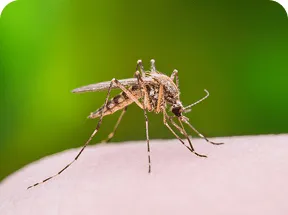
Yellow Fever: Primarily a concern for travelers, although Aedes aegypti populations do exist domestically.
West Nile Virus: America’s most common mosquito-transmitted illness, mainly carried by Culex species.
Zika: Sporadic regional outbreaks, primarily spread by Aedes aegypti and Aedes albopictus varieties.
Dengue: Also spread by Aedes mosquitoes, with periodic outbreaks in southern territories
Chikungunya: Less frequently encountered but still worrisome, another Aedes-transmitted disease.
Malaria: Uncommon within U.S. borders but remains possible via local Anopheles mosquito transmission.
Differences Between Mosquito Species
Confusing harmless insects like crane flies with mosquitoes happens frequently. Professionals rely on a specific technique known as the “Three P’s” for reliable identification.
Three Easy Methods for Identifying Common Mosquitoes
Posture. This actually provides one of the simplest identification approaches. Resting Anopheles mosquitoes maintain a straight-line body position (with abdomen tilted upward). Conversely, Aedes and Culex mosquitoes adopt a hunched “V” configuration while resting.
Palps. These sensory appendages sit near the mosquito’s mouth area. On Anopheles mosquitoes, palps appear long and noticeable, approximately matching the proboscis length. Aedes and Culex mosquitoes display considerably shorter palps.
Pattern. Examine the insect’s color scheme. Black-and-white striped patterns, particularly on legs, typically indicate Aedes species. More consistent coloring, such as brown or gray tones, probably means you’re seeing a Culex or Anopheles mosquito.
When Should Mosquitoes Worry You?
Encounters and bites represent obvious indicators that professional pest control services are needed. Relentless swarms can ruin outdoor events quickly. Nevertheless, certain warning signs can transform a minor annoyance into a significant threat requiring preventive action:
- Weather Patterns: Hot, humid conditions extend breeding cycles and speed up mosquito reproduction rates.
- Travel History: Enhanced awareness becomes necessary when household members have visited areas with ongoing mosquito-transmitted disease activity.
- Public Health Notifications: Monitor local health department announcements about West Nile virus or comparable outbreaks.
- Stagnant Water Sources: Any stagnant water present on your property directly increases mosquito population growth.
Which Mosquito Varieties Target Humans?
Despite common assumptions, only female mosquitoes actually bite. Male mosquitoes are essentially harmless, surviving exclusively on flower nectars and plant fluids. Females, however, need a blood meal to acquire proteins essential for egg production.
These female predators pursue warm-blooded animals, chiefly targeting birds and mammals, although certain specialized species feed on reptiles or amphibians. Detection begins when they sense carbon dioxide released by prospective hosts from remarkable distances. Following this signal upwind, they subsequently rely on visual indicators, minor humidity variations, and distinctive body scents to locate their victim.
Most varieties maintain preferred feeding schedules, typically during dawn or twilight periods, although they’ll sometimes bite during warm, cloudy afternoon hours.
The Best Ways to Manage Mosquitoes
Effective mosquito prevention and management demands multiple coordinated strategies.
Remove Breeding Habitats
Your strongest weapon involves eliminating locations where mosquitoes deposit eggs. Consistently empty any accumulated water at minimum once weekly. Monitor blocked gutters, plant trays, children’s playthings, and even tiny containers like bottle caps, which retain sufficient water for larval growth.
Implement Personal Defense Measures
Minimize exposure by dressing in long, loose-fitting garments and using EPA-registered insect repellents. Scheduling outdoor activities to bypass dawn and twilight hours can also dramatically decrease bites.
Deploy Focused Treatments
When environmental management proves inadequate, careful application of larvicides or adulticides might become necessary. For optimal safety and effectiveness, licensed professionals should handle these product applications to guarantee proper usage and distribution.
Identify Your Adversary
Focus your control efforts by learning about local species. Culex varieties frequently breed in organically enriched water located in storm drains or abandoned pools. Aedes types generally utilize man-made containers holding clean water, whereas Anopheles favor vegetated freshwater margins.
Recognize Seasonal Trends
Activity intensifies during hot summer months throughout most regions but can continue year-round in southern environments. Synchronize your prevention tactics with these active seasons.
Eliminate Your Mosquito Problem!
The most effective mosquito control programs employ tactics customized to particular species. They combine three essential approaches: treating water sources with larvicides, actively diminishing adult populations, and altering environments to destroy breeding habitats.
Contemporary, sophisticated control systems target the reproductive cycle directly, blocking new generation emergence and establishing sustained local mosquito population decreases.
Ready to safeguard your home, lawn, or commercial property? TDI Services in Robertsdale, AL provides identification and elimination of mosquito breeding sites as well as ongoing monitoring. With highly trained technicians and industry-leading products, we’ll take steps to help achieve your dream yard.