There are yards that still look tidy from a distance and somehow feel less sharp once you notice the details. The shrubs may be softening the bed lines. A tree may seem denser than it should. The property still feels established, but not quite as put together as it once did.
That kind of change tends to build slowly around Redstone Park. Plants keep moving through their growth cycles, some sections get ahead of others, and the yard can gradually lose some of its structure without any one problem taking center stage. TDI Madison helps homeowners keep trees and shrubs looking cleaner, fuller, and more balanced with trimming, shrub care, fertilization, and plant health support.
Get ready for summer with our limited time offer!
Enjoy your yard this summer by treating mosquitos early in the season. Schedule your service today!
Only $39.95 for your first service
Most changes are easy to miss at first
A shrub near the corner of the house may begin leaning past the rest. One tree may look more compact and heavy from one angle than another. Some plants may still look strong while nearby ones begin looking thinner or less vibrant.
That kind of change is easy to overlook because the landscape still mostly works. Then the bed lines begin feeling blurred, the planting areas feel less orderly, and the whole property starts losing some of its cleaner finish.
Tree and shrub care helps stop that slow drift before it starts defining the look of the yard.
A polished landscape is usually protected in small ways.
In Redstone Park, plant growth can be strong during active parts of the season, but that does not mean it stays uniform. Some shrubs expand too far. Some trees build density where they should stay lighter. That unevenness can shift the feel of the property in subtle but noticeable ways.
Shrubs may begin looking irregular. Trees may feel more closed in. Stress from weather, insects, and general plant health issues can slowly affect how balanced the yard looks from one area to the next.
Tree and shrub care helps keep those smaller changes from turning into a landscape that feels disconnected.
Stronger structure helps the yard feel more finished.
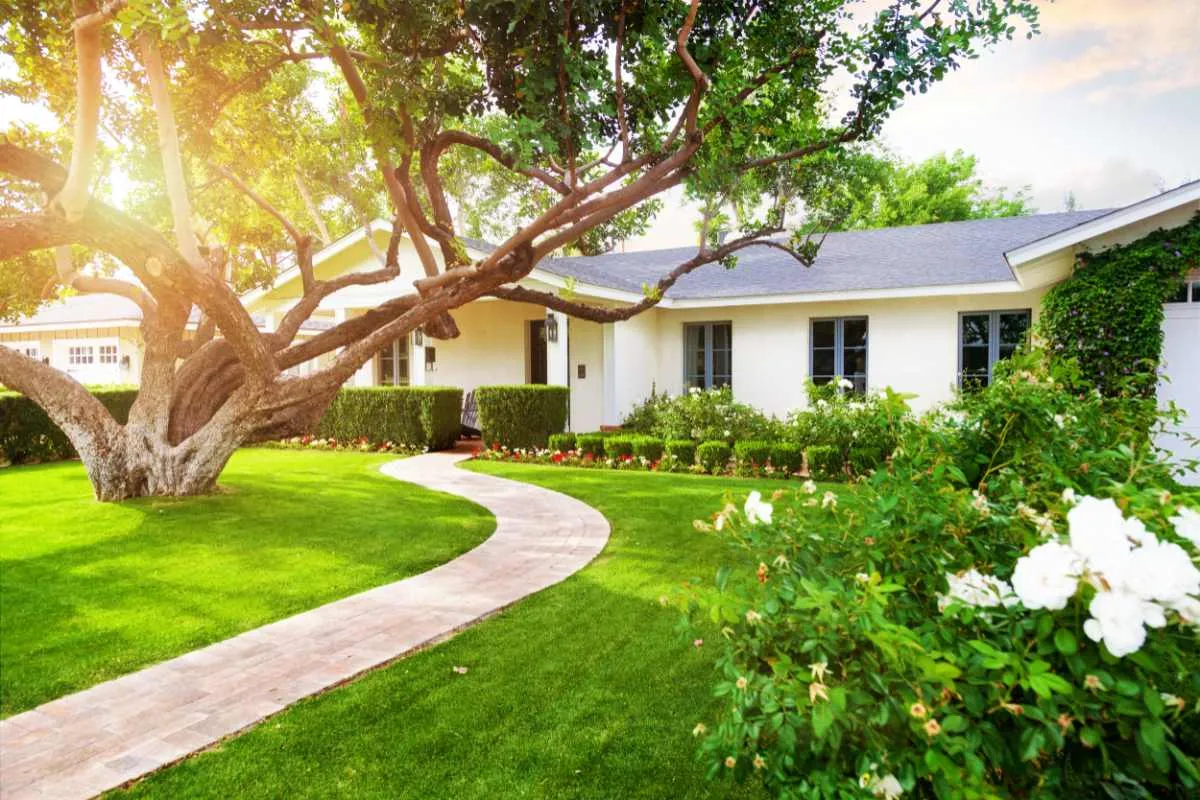
Trees help organize the visual weight of a yard. When their shape feels right, the rest of the property tends to feel calmer and more intentional.
What usually stands out first
The first signs are often uneven fullness, dense middle growth, or a canopy that starts feeling heavier than it once did.
Sometimes that stands out while pulling into the driveway. Sometimes it is more obvious while looking across the yard. Either way, the tree starts influencing how the whole space feels.
Where trimming comes in
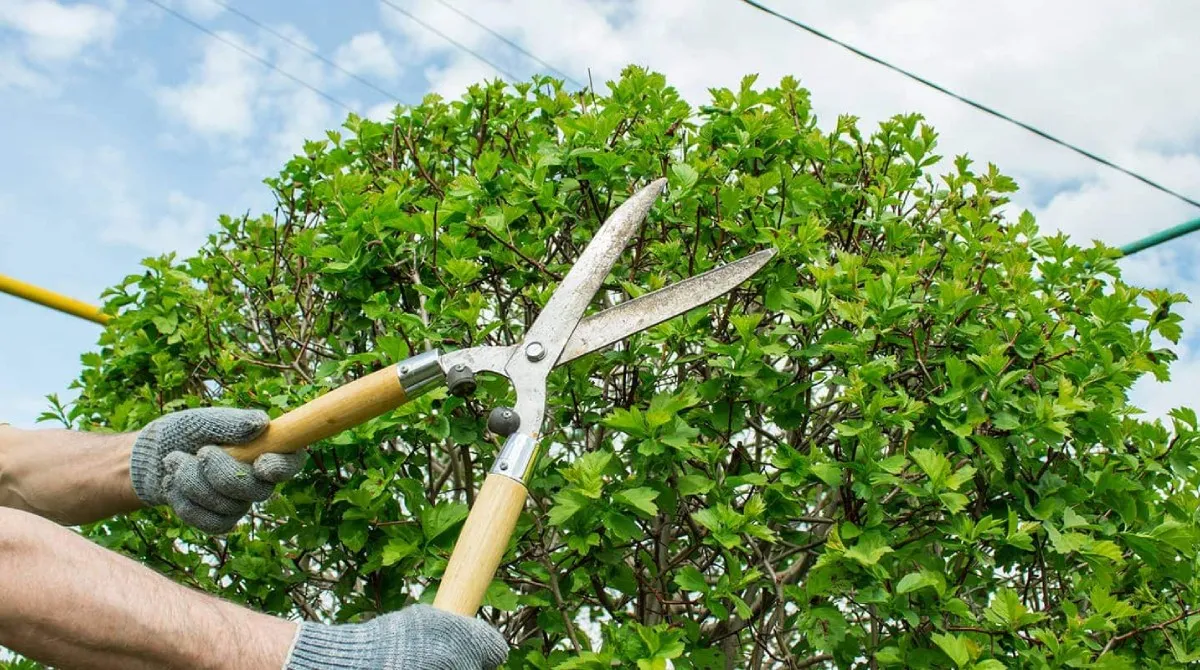
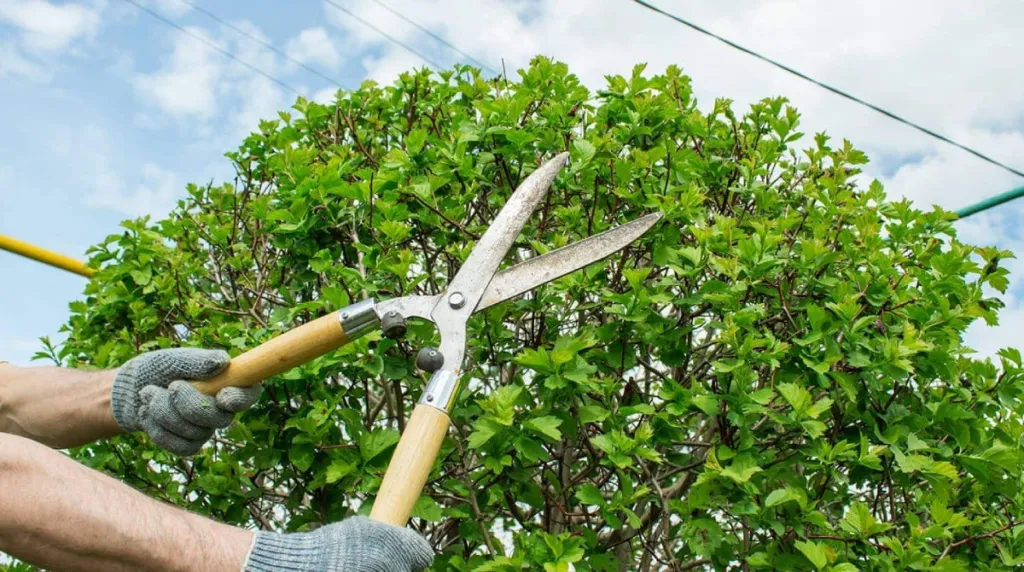
Trimming helps refine the form of the tree so it fits the yard more naturally. That can mean easing back crowded areas, opening the middle, or shaping the canopy so it feels more balanced again.
The goal is not to make the tree look forced. It is to help it look cleaner, lighter, and more in proportion with the rest of the landscape.
more in proportion with the rest of the landscape. Cleaner tree shape often improves the feel of the whole property.
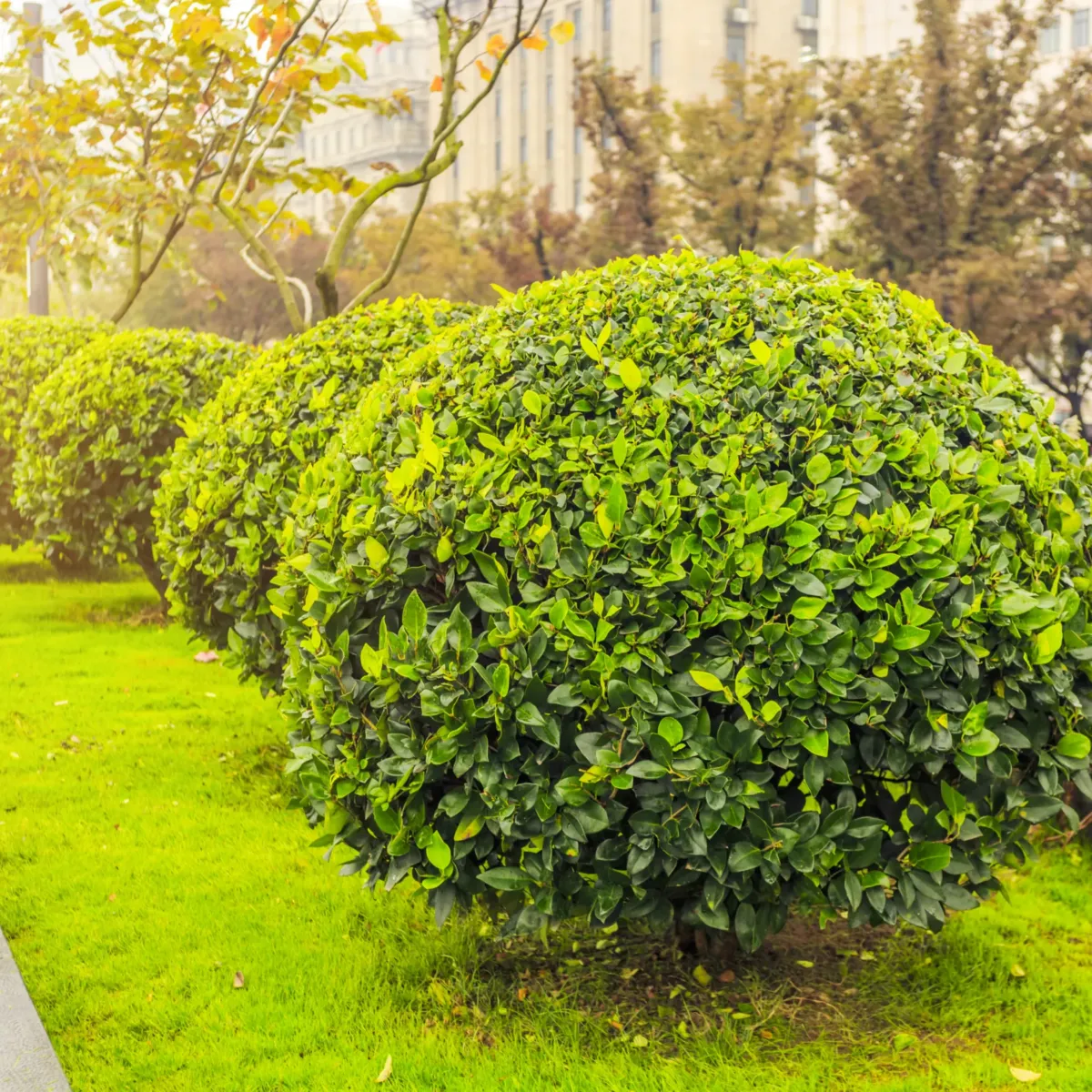
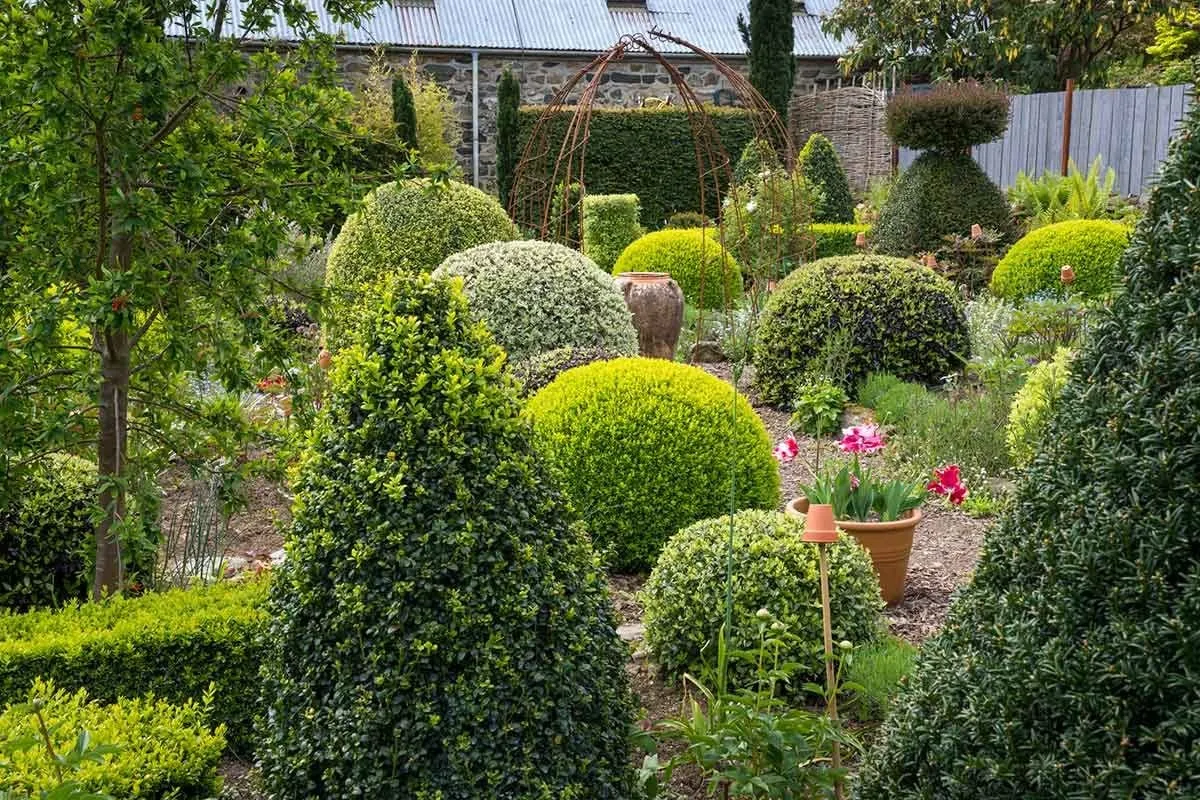
Shrubs help create the outline of a yard. They shape the beds, support the front of the home, and help transitions in the landscape feel more intentional.
When shrubs begin drifting out of form, the whole property can start feeling less organized.
What usually goes wrong
In Redstone Park, shrubs may respond differently to light, spacing, and seasonal stress. Some widen faster than the rest. Others begin looking thin in certain spots. A grouping that once looked even can begin feeling uneven and less coordinated.
That is when the beds lose some of their visual control.
Why trimming matters
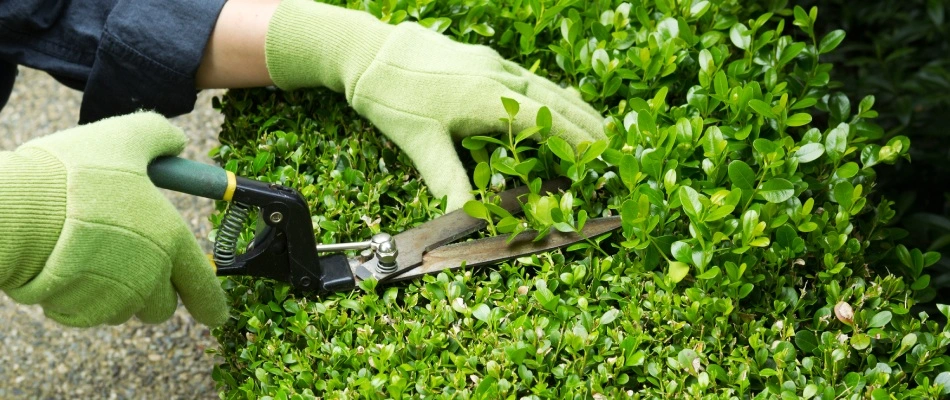
Regular trimming helps keep shrubs in scale with the house and the surrounding landscape. It also helps preserve cleaner edges and keeps the beds from looking like they are spilling outward.
The right trimming should improve the shape without making the shrubs look too stiff.
When fertilization helps
If shrubs begin looking dull, sparse, or inconsistent, fertilization can help support stronger color and fuller development over time. It helps when the issue is more than just shape.
With the right support, shrubs can start looking more even, healthier, and more connected to the rest of the planting.
Well-shaped shrubs give the landscape a cleaner frame.
The part of the yard that first catches your eye is not always the only part affecting the overall look. A tree may feel too dense. A bed may be losing shape. Another section may not match the rest in fullness or visual weight.
That is why TDI Madison looks at the property as one connected landscape. Trees, shrubs, spacing, fullness, shape, and plant health all influence how the yard comes together.
The goal is not to create a completely different look. It is to help the yard feel more unified and more consistent.
Looking at the whole yard usually leads to better balance.
Fertilization helps support steady, consistent growth.
Around Redstone Park, some plants may start the season strong and then begin slipping later on. Others may never quite fill in the way they should. A shrub may stay thin compared to nearby plantings. A tree may start looking less vibrant than it once did.
Fertilization helps improve color, fullness, and overall plant health without forcing unnatural growth. It works best when it is part of a larger care plan that also includes attention to trimming and plant condition.
The right support helps the whole yard look more even.
We study how the trees, shrubs, beds, and overall landscape are growing and where the property feels less balanced.
We explain what looks healthy, what seems off, and where care could make the biggest difference.
Not every issue has to be addressed at once. We help sort out what matters most first.
Some yards need trimming. Others need fertilization. Sometimes a combination makes more sense, along with plant health support.
We work with attention to detail so the improvements feel natural and not overdone.
If the landscape would benefit from continued care, we help keep it from slowly slipping again.
A good process keeps the yard easier to understand.
Trees can begin looking too compact or uneven in the canopy. Shrubs may spread beyond their intended line or lose their cleaner shape. Some plants can look faded or thinner during stressful conditions. Certain areas of the yard may start feeling crowded while other sections look sparse. General plant stress and insect activity can slowly affect how steady and balanced the property feels.
Most of the time, the yard does not change overnight. It shifts in small ways until the whole landscape feels different.
Useful answers often start with a closer look.
If the trees and shrubs around your property are starting to feel less balanced, less clean, or less consistent than they used to, TDI Madison can help you sort out what is changing.
We look beyond the first obvious issue, take the whole yard into account, and recommend care that supports the way the landscape is meant to look and grow.
Sometimes the biggest improvement comes from getting the details back in line before the yard feels too far gone.