Fresh mounds can signal bigger colonies.
Fire ants can change the way a Ryland yard feels almost overnight. One mound near the lawn edge can turn into several more, followed by repeated sting concerns and more caution every time someone crosses the grass. TDI Green Services provides professional fire ant control in Ryland, Alabama to treat active mounds, reduce colony pressure, and help make outdoor space easier to use again.

Warm turf helps fire ants spread.
Ryland lawns often combine open sunny turf with the kind of warm soil conditions fire ants prefer. What looks like one isolated mound can be the visible sign of a deeper colony that keeps rebuilding after rain or disturbance. Once sting concerns begin affecting play areas, pet routes, or everyday lawn use, the issue has already moved beyond a minor nuisance.
Professional fire ant control matters because the goal is not simply to flatten what is visible. It is to inspect the property, understand how the infestation is behaving, and apply treatment based on the actual pressure in the yard. Our service is built to reduce the colony activity behind repeated mound formation instead of only reacting to the latest mound.
Repeated stings disrupt normal outdoor routines.
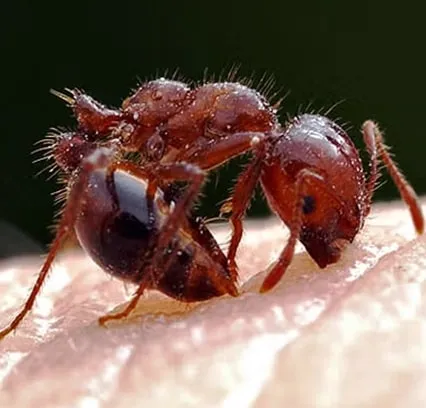
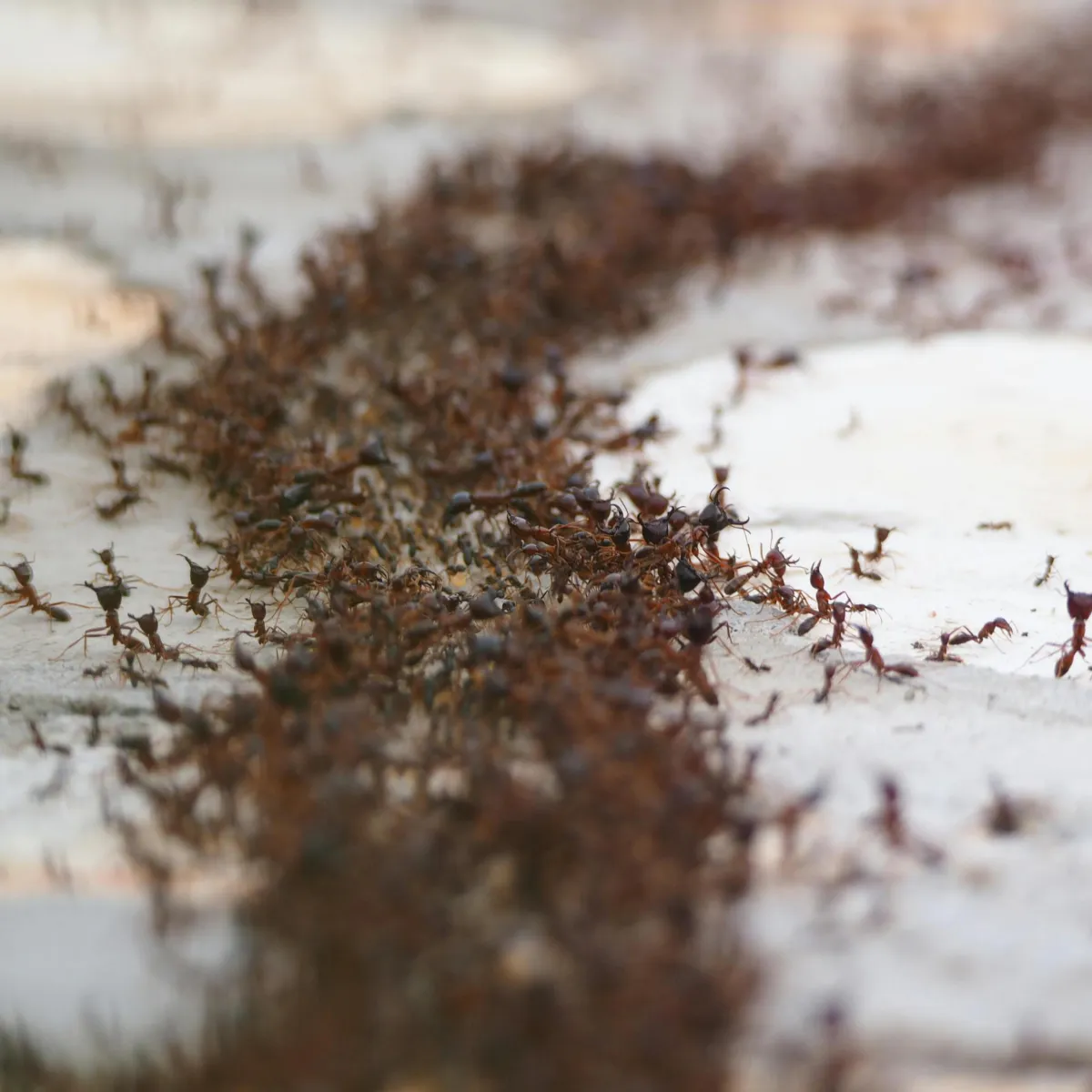
Fire ants are more than a nuisance because they are aggressive and able to turn ordinary lawn use into a real discomfort and safety issue. A visible mound may represent a larger colony below the surface, and multiple mounds can suggest a broader infestation pattern. That matters for households with children, pets, and anyone who wants to mow, garden, or relax outside without worrying about painful surprises.
Loose soil often marks active infestations.
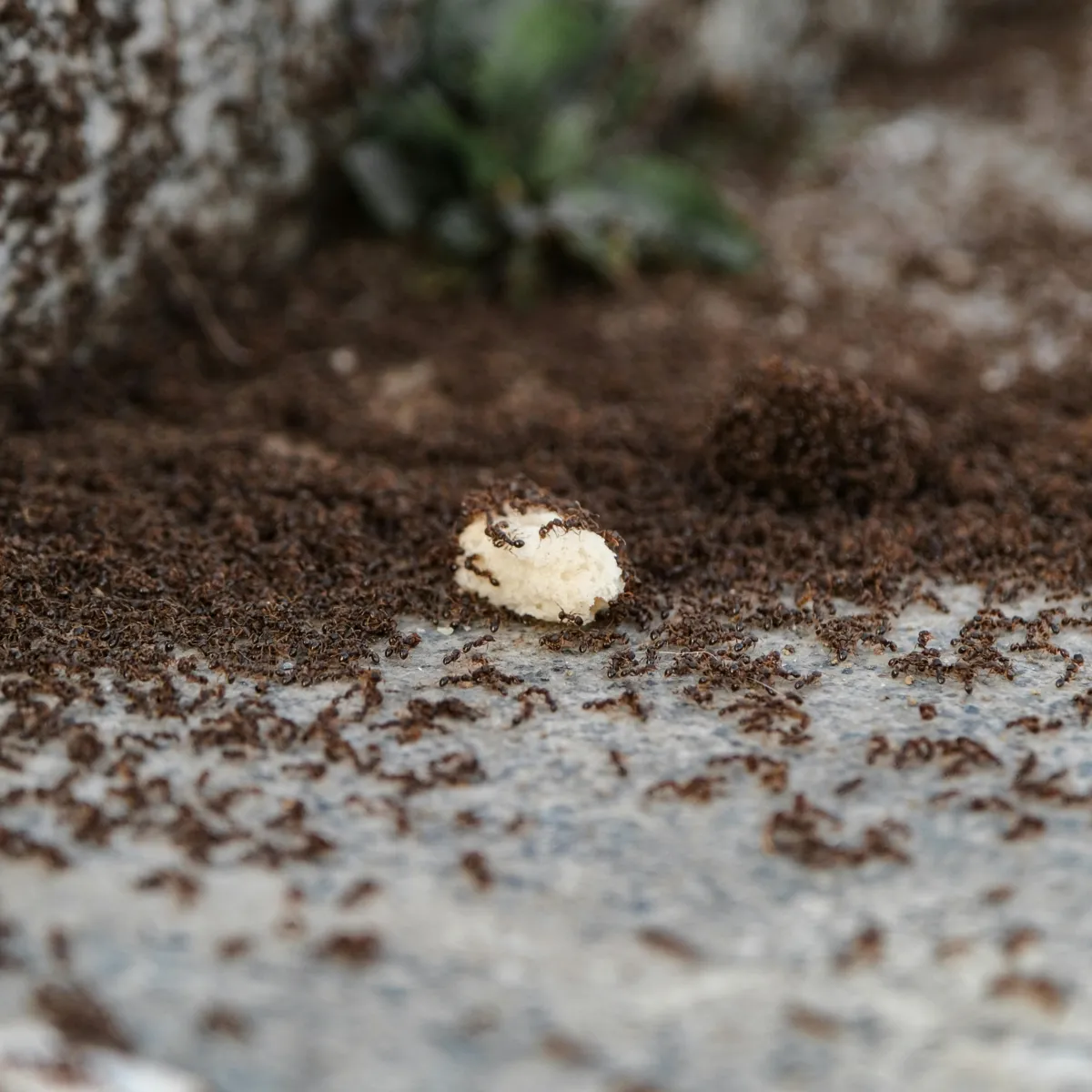
The clearest sign is the appearance of loose sandy mounds in sunny lawn areas, especially after rain or irrigation. Homeowners may also notice reddish-brown ants swarming quickly when the mound is disturbed, repeated stings after brief contact with the grass, or new mound activity appearing in several parts of the yard. When those signs keep repeating, the issue is usually more established than it first appears.
Reddish ants can create real hazards.
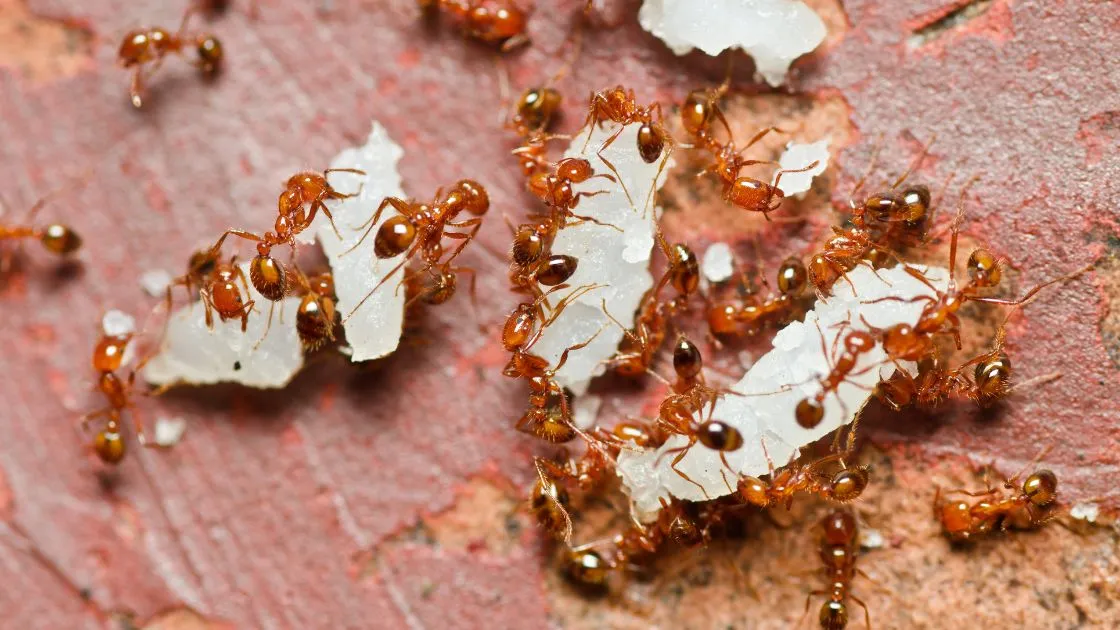
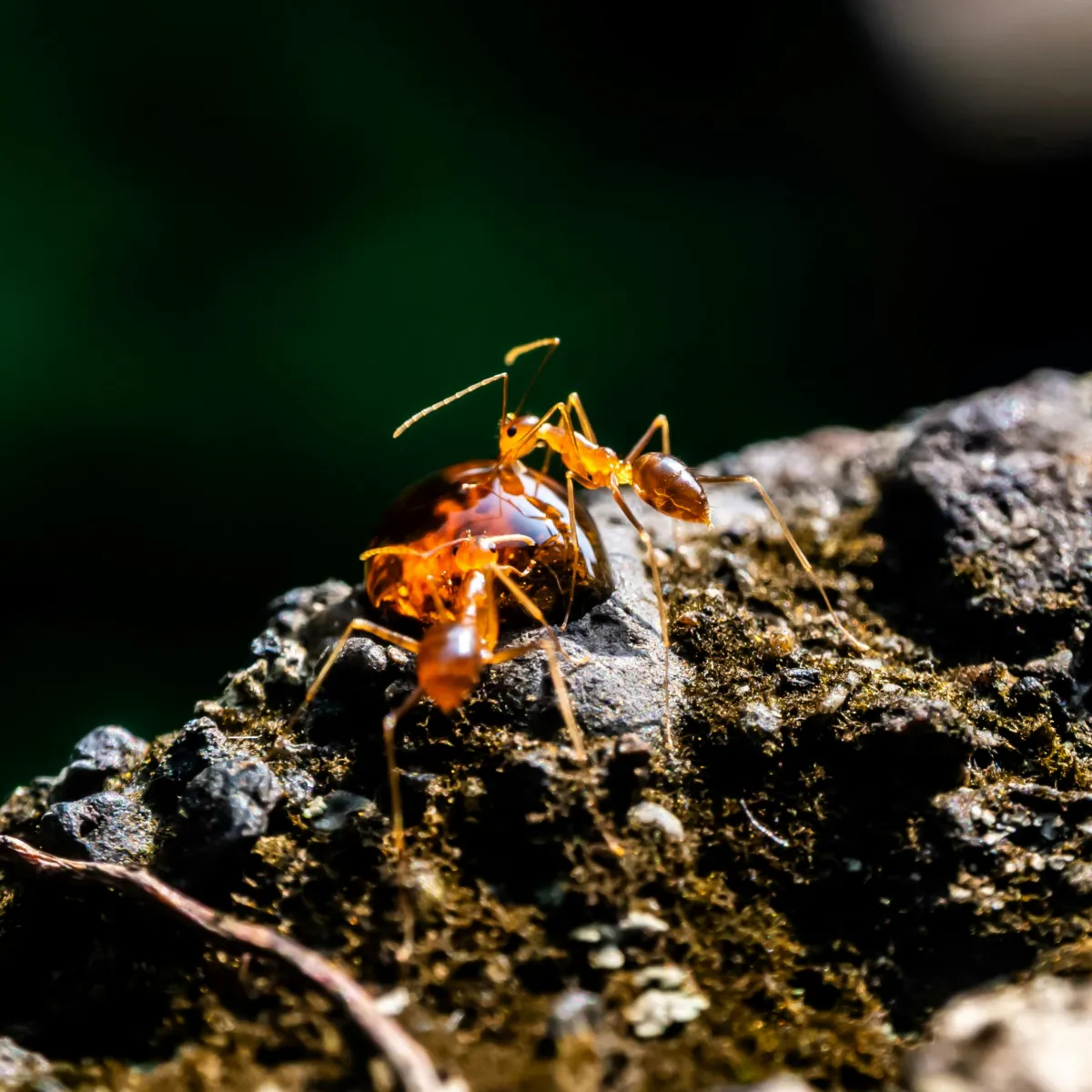
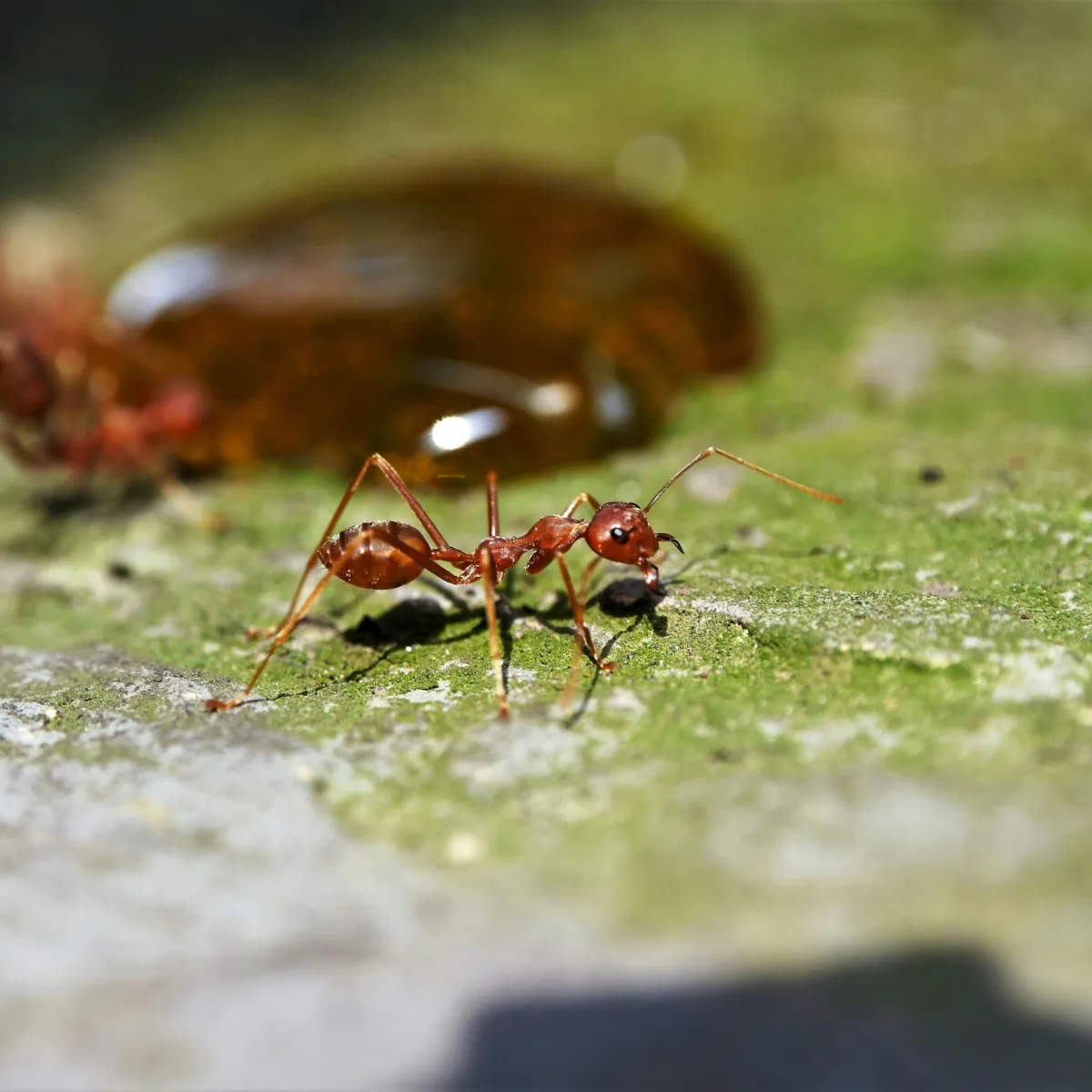
Fire ants are usually reddish to reddish-brown, small in size, and highly aggressive once their colony is disturbed. They are commonly associated with visible mounds in warm open turf and exposed soil. In Ryland, they are often easiest to notice in front lawns, side yards, and other sunny sections of the property where the ground stays warmer through the day.
Deeper colonies outlast surface spot treatments.
Fire ants are difficult to eliminate because the mound you see is only part of the problem. Much of the colony remains below the surface, and treatment results can be affected by rainfall, heat, moisture, and foraging behavior. Some infestations may also involve wider underground spread that makes one quick surface treatment unreliable. That is why many do-it-yourself attempts seem to help briefly before mound activity returns.
Inspection leads to smarter treatment choices.
We begin by inspecting where mound activity is concentrated, how severe the pressure appears to be, and whether the lawn shows a broader colony pattern. Then we treat the active areas with a plan built around what is actually happening on the property. The goal is to reduce current mound activity while helping prevent the same pressure from rebuilding.
Treatment options depend on infestation spread.
Some lawns benefit from broader treatment across several active zones, while others need more direct attention to specific mound sites. Depending on the situation, a bait-based strategy, focused mound treatment, or a combined approach may offer the strongest result. Professional service works better because the treatment method is chosen based on the infestation rather than guesswork.
DIY attempts can raise sting exposure.
DIY fire ant products often focus on visible ants while leaving the deeper colony active. Rain and poor timing can reduce effectiveness, and direct mound treatment can increase the risk of painful stings. Professional fire ant control removes much of that uncertainty by starting with inspection and matching the treatment plan to the way the colony is behaving in the yard.
Heat and storms reveal active mounds.
In Ryland, fire ants are usually most noticeable when warm weather and sunny turf support visible mound building. Fresh activity often becomes easier to spot after rain, and the problem can remain obvious through the hotter stretches of the season. Homeowners often notice the issue most during the same months when the lawn is getting the most use.
Clear guidance supports families after treatment.
Professional fire ant treatment should always come with practical direction about treated areas and reentry timing. We explain what homeowners need to know after service so families and pets can return to the lawn responsibly. A targeted treatment plan is the safest way to reduce colony pressure without using more product than the situation actually requires.
Local lawn knowledge sharpens fire ant control.
Ryland homeowners want fire ant control that reflects real local lawn conditions instead of a generic script. TDI Green Services understands how open 35811 turf, rolling land, weather patterns, and North Alabama seasonal pressure influence fire ant activity. That local familiarity helps us recommend smarter treatment strategies and provide service that feels practical from the start.
If fire ant mounds are changing the way your Ryland yard gets used, TDI Green Services can help you get ahead of the issue with treatment built around the real colony pressure on your property. We will inspect the active areas, target the sections of lawn that matter most, and help reduce the sting risk that keeps outdoor time from feeling easy. Contact us today to schedule fire ant control designed for practical, everyday relief.