Get your lawn back on track with 50% OFF first application!* 50% OFF First Application!* Call Now

Fire ant treatment for Tanner lawns where outdoor space should not feel unpredictable

Professional Fire Ant Control Services in Tanner, AL

Fire ants can make a lawn feel unsettled in a way homeowners notice quickly. It is not just the presence of a mound. It is the way normal outdoor habits start changing around it. A section of grass gets avoided during yardwork, a pet is kept away from one corner of the property, or a family stops using part of the lawn because nobody wants to risk getting stung. In Tanner, where outdoor space is meant to feel open and usable, that kind of disruption can wear on people fast.

TDI Green Services provides professional fire ant control in Tanner, AL for homeowners dealing with active mounds, repeated colony pressure, and lawns that no longer feel as comfortable or practical as they should. We assess the property, identify where fire ant activity is affecting lawn use the most, and treat the problem based on the conditions we find. When fire ants keep changing how your yard gets used, professional service offers a better path forward than reacting mound by mound.

Reliable help for fire ant issues that keep resurfacing in new spots

One of the most frustrating parts of a fire ant problem is how often it seems to shift. A mound may appear near the edge of the yard, then another forms closer to a walkway, and soon the property starts feeling like it has multiple trouble zones instead of one clear issue. Homeowners often try to manage it as each new mound appears, but that approach can become exhausting when the activity keeps returning.

That is where professional treatment becomes valuable. Instead of focusing only on the most visible sign at the moment, the service is built around the larger pattern of infestation. The goal is to reduce the pressure that keeps creating new disruptions so the lawn can start feeling manageable again.

Why fire ants create problems that go beyond appearances

Why Fire Ant Control Matters

Fire ants matter because they bring aggressive nesting behavior into spaces families use every day. A mound in the wrong place can make ordinary activities like mowing, carrying groceries across the yard, or letting the dog outside feel riskier than they should. Once disturbed, fire ants can react immediately and sting over and over, which is what makes them such a serious nuisance around the home.

The impact is not only physical. Fire ants also change how people think about the yard. Homeowners begin scanning the grass before they walk through it. Children are told to stay away from certain areas. Pets are redirected from places they used to roam freely. Effective fire ant control helps return the lawn to being a usable part of the property instead of a place that requires constant caution.

What often reveals that fire ants have settled into the lawn

Signs of a Fire Ant Infestation

Many infestations first become obvious when raised mounds of loose soil start appearing in open lawn areas. These mounds may look especially noticeable after rainfall, when freshly moved dirt contrasts more clearly with the surrounding grass. In Tanner, sunny parts of the lawn and exposed soil often make that activity easier to catch once it begins repeating.

Other common signs include reddish ants pouring out rapidly when the mound is disturbed, painful stings during ordinary yard use, and several mounds appearing across the property over time rather than staying confined to one area. Some homeowners first suspect a problem when pets keep reacting to the same patch of lawn or when fresh soil keeps showing up in places that seemed clear days earlier.

How fire ants usually appear around the home

What Do Fire Ants Look Like?

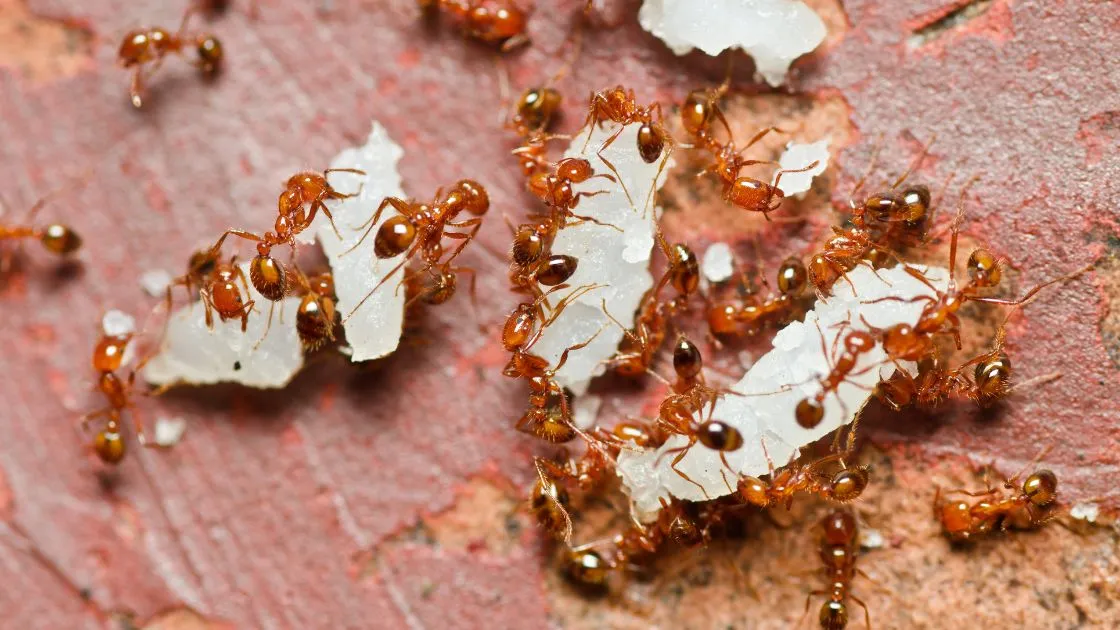
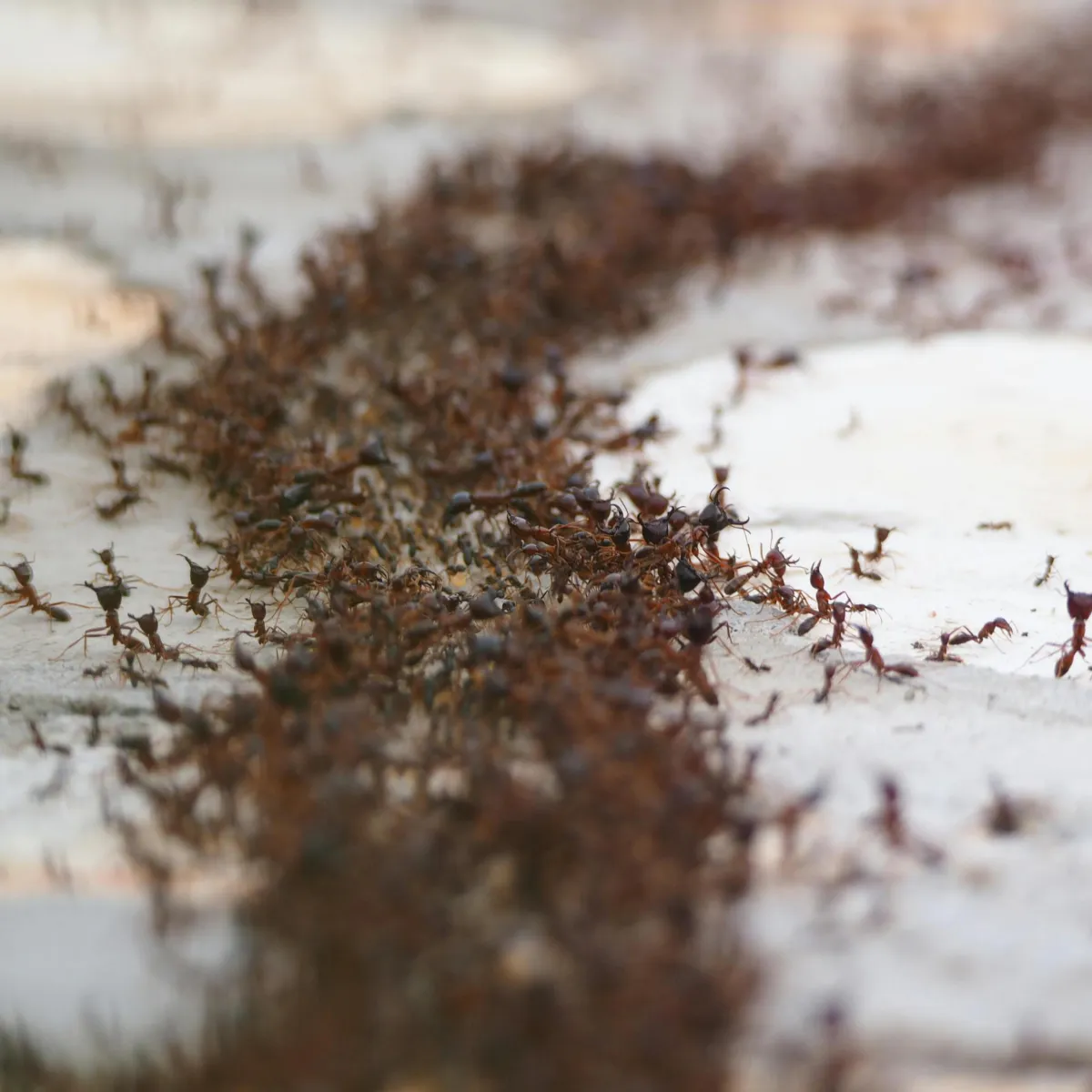
Fire ants are generally reddish to reddish-brown and small, with workers often measuring around 1.6 to 5 mm long. Ants within the same colony may not all look the same size, which can make them harder to identify by appearance alone. Their color, quick movement, and the mound they build are often the most recognizable clues.

They are commonly found in lawns, exposed soil, field edges, and other sunny areas where the ground warms up easily. Around residential properties, they may show up near sidewalks, around driveways, beside landscape beds, or in open turf. Even when a mound seems small, it can still be tied to a colony large enough to create repeated trouble.

Why fire ants can be so difficult to fully control

Why Fire Ants Are Difficult to Get Rid Of

Fire ants are hard to eliminate because the visible mound is only the surface sign of a deeper underground colony. Homeowners may see a mound, treat what is on top, and assume the issue is resolved, only to find new activity later because enough of the colony remained active below ground. Some infestations can also involve multiple queens, which makes long-term control more challenging.

The difficulty increases because conditions affect treatment success. Moisture, heat, irrigation, and how actively the ants are feeding can all change how well a product works. That is why a treatment can seem successful at first but still fail to stop continued mound formation later. Fire ants are persistent because the problem is rarely limited to what can be seen.

How our service addresses fire ant activity

How Our Fire Ant Control Service Works

Our process starts with a property inspection focused on visible mounds, likely activity zones, and the parts of the lawn where fire ants are making the biggest impact. That helps us determine whether the infestation is concentrated in a few areas or spread more broadly through the yard. A clear understanding of that pattern is what allows treatment to be matched to the actual problem.

After the inspection, we treat active mounds and the surrounding lawn areas connected to the infestation. The aim is to reduce current fire ant pressure and help limit ongoing activity that keeps interrupting how the yard is used. Depending on the size of the issue and the way the lawn responds, monitoring or follow-up care may also be recommended.

Treatment options that fit the way fire ants are showing up

Professional Fire Ant Treatment Options

Some Tanner lawns benefit from broader treatment because the infestation extends beyond a handful of visible mounds. In those situations, a broadcast treatment may be the more effective choice because it addresses wider fire ant pressure across the property. Other yards may be better served by direct mound treatment when the problem is more concentrated in specific spots.

There are also times when a combined strategy makes the most sense. That might include bait-based treatment aimed at colony activity along with direct applications for active mound areas. On certain properties, mound drench treatment may also be appropriate. Professional service allows the treatment method to fit the infestation instead of forcing the infestation to fit whatever product happened to be chosen first.

Why DIY treatment can leave homeowners stuck in a cycle

DIY vs Professional Fire Ant Control

Do-it-yourself fire ant control often creates the impression of quick progress because visible mound activity can change soon after application. The problem is that fire ants may still remain active underground, which means the lawn can keep producing fresh mounds even after one area appears better. That is why many homeowners feel like they are always treating the yard without ever fully getting ahead of the problem.

Professional service offers a more considered approach. Treatment is selected based on the lawn conditions, the extent of the infestation, and the factors that can affect product performance. It is not simply about applying something to the mound and hoping the rest of the property stays quiet. It is about choosing a response that makes sense for the way the infestation is behaving.

Why fire ants can be a real concern for households

Are Fire Ants Dangerous?

Fire ants can be dangerous because they can swarm quickly and sting repeatedly when their mound is disturbed. Those stings may cause burning discomfort, swelling, red marks, or pustules, and the experience can become painful fast when several ants respond at once. What makes them especially troublesome is that contact often happens during routine outdoor activity rather than during anything unusual.

Some people may experience stronger reactions that require medical attention. Children and pets can be especially vulnerable because they may reach an active mound before anyone notices it is there. When fire ants are active in parts of the lawn people use often, the repeated sting risk becomes a practical safety issue.

How fire ants can interfere with the lawn itself

Can Fire Ants Damage Your Lawn?

Fire ants can affect the lawn by building mounds that interrupt the surface of the turf and make the yard less even and less comfortable to use. Their nesting activity can create raised spots that interfere with mowing, walking, and play. The grass itself may still look decent overall while the lawn feels noticeably less functional.

That is one reason fire ant infestations are so frustrating. The problem is not always that the yard looks bad. It is that the lawn stops behaving like simple, usable outdoor space. Homeowners begin changing how they move through it, which is a real form of damage even when the turf still appears healthy.

When fire ants are generally most noticeable

When Are Fire Ants Most Active?

Fire ants are usually most noticeable in warm conditions, particularly in sunny areas where the soil stays exposed and heats up quickly. Activity often becomes easier to spot during warmer months when lawns are getting more use and mound formation stands out more clearly. Rain can also make fresh mounds easier to see because newly displaced soil becomes more obvious against the grass.

During very hot stretches, surface movement may change depending on feeding behavior and temperature, but that does not mean the colony is gone. Fire ants can remain active below ground even when they appear less visible from above. That is part of what makes infestations feel inconsistent even when they are still very much present.

What families should know about treatment and re-entry

Is Fire Ant Treatment Safe for Families and Pets?

Fire ant treatments should always be applied according to label directions, and homeowners should be given clear instructions about when treated areas can safely be used again. That guidance matters for families who want the problem addressed without uncertainty about children, dogs, or regular yard use afterward.

Depending on the materials used and the conditions at the time of treatment, people and pets may need to stay off treated areas until the application has dried or otherwise settled. Following the service instructions provided afterward helps make the treatment process safer and easier to manage.

Why Tanner homeowners choose TDI Green Services

Why Homeowners Choose TDI Green Services for Fire Ant Control

Tanner homeowners choose TDI Green Services because they want more than a short-term fix for a recurring lawn problem. They want a company that can inspect the property carefully, identify where fire ant pressure is strongest, and recommend service based on the actual conditions of the yard. That kind of approach is more useful than guessing and hoping the latest mound is the last one.

We also make it easier to move from frustration to action. With practical scheduling, clear explanations, and treatment recommendations tailored to the lawn, TDI Green Services gives homeowners a more confident way to deal with persistent fire ant activity.

Questions Tanner homeowners often ask about fire ants

Fire Ant Control FAQs

Book Fire Ant Treatment in Tanner, AL

Your lawn should not feel like a place that has to be navigated around active mounds. Schedule a visit with TDI Green Services today and book professional fire ant control for your Tanner, AL property.