Flat open ground can still support stubborn spider activity.
Spider problems in Tanner often build in places homeowners do not think about until they become routine. A web forms over the garage corner, another appears near the back door, and later a spider turns up by a storage shelf or utility room wall. On flatter properties with wider visibility, those signs do not always look serious right away, but the pattern usually gets stronger over time.
TDI Green Services provides spider control in Tanner, AL for homeowners dealing with repeat webbing, spider sightings, egg sacs, and spider activity around garages, porches, sheds, lower rooms, and storage spaces. Tanner sits between Athens and Decatur in Limestone County, and the community has that familiar north Alabama mix of open ground, roadside homes, detached structures, and work-focused outdoor spaces. Those property conditions can make spider issues feel simple when they are usually more connected than they seem.
A quick spray may help with the spider on the wall or the web near the porch trim, but it usually leaves the setup behind the problem unchanged. In Tanner, that setup often includes a garage with stored supplies, a porch light that stays busy after dark, an outbuilding that does not get checked often, and an outside edge where insects keep moving close to the house.
Because many Tanner properties have a straightforward layout, spider issues often cycle through the same few structures again and again. The home may not look cluttered, but a few quiet corners can still provide plenty of shelter.
Professional spider pest control works better because it follows how the problem is actually using the property. In Tanner, that often means looking at the garage, porch, utility areas, and outbuildings together instead of treating them like separate problems.
Tanner homes often show spider pressure by structure.
Are often noticed first because they move out across open surfaces. In Tanner, they may show up on garage floors, near equipment storage, in mudrooms, or along lower room edges where they are easy to see once they start moving.
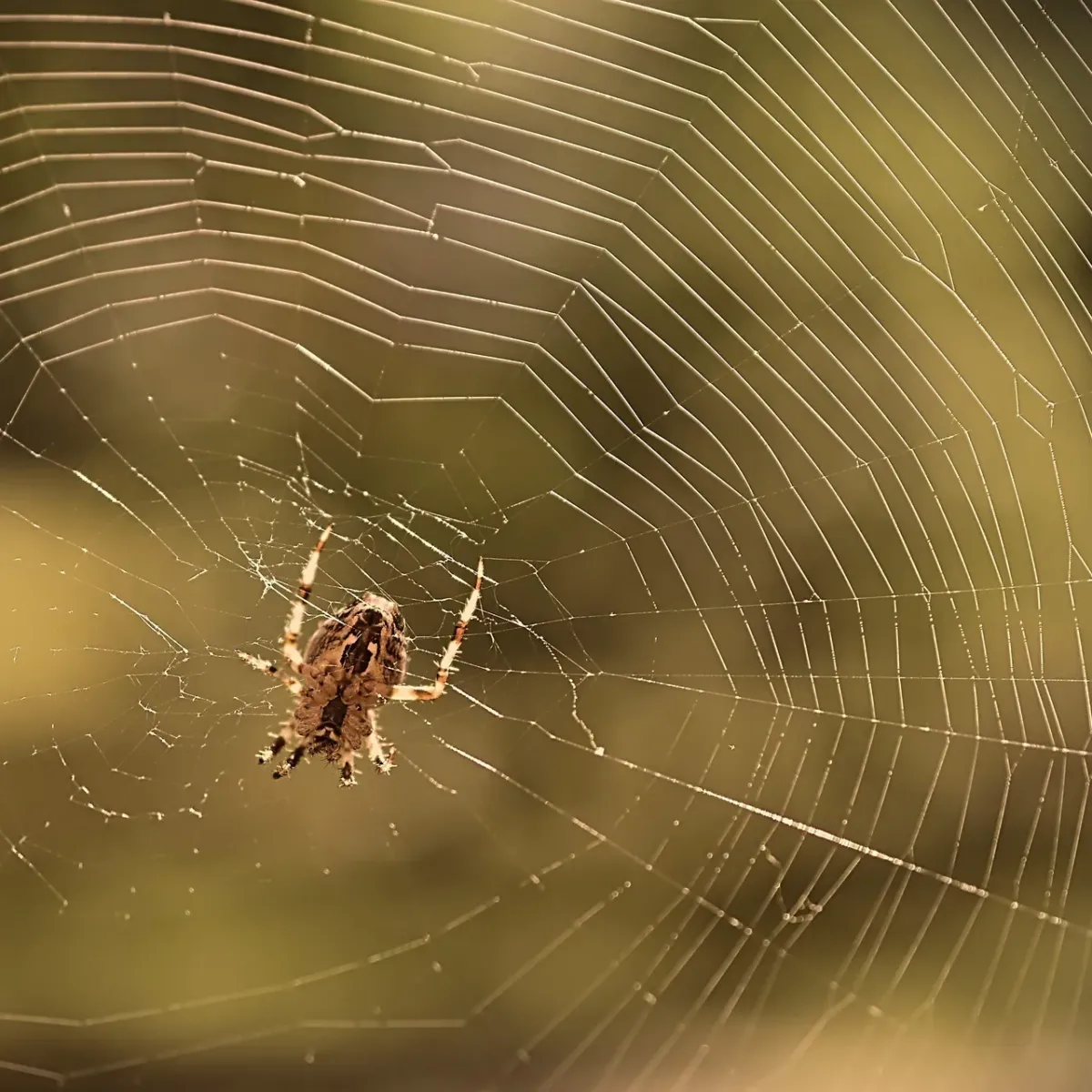
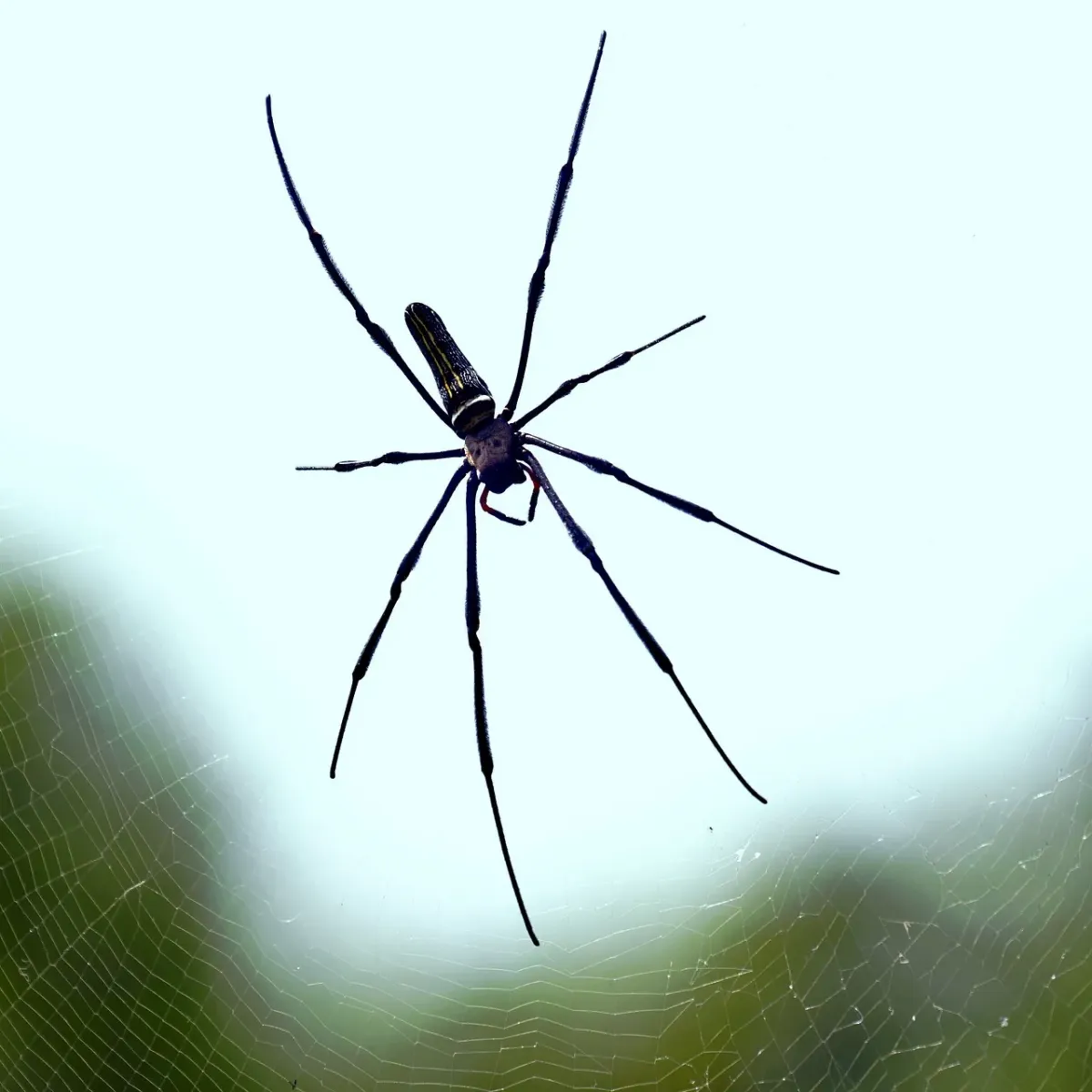
Are more likely to reveal themselves through the webs they leave behind. Ceiling lines in storage areas, closet tops, utility corners, garage shelving, and the backs of sheds are all common places for their webbing to build up.
May stretch webs around porch rails, fence sections, shrubs, and outdoor lights.
May turn up on trim, siding, mailbox posts, and outdoor seating.
Should be handled carefully if they are suspected around darker storage sections, stacked materials, utility boxes, or low-traffic structures.
Should be addressed through actual inspection rather than assumption.
Repeated signs usually matter more than single sightings.
In Tanner, a spider infestation often becomes clear when the same parts of the property stop staying clear. Webs come back in the same garage corner. Another strand shows up by the same porch fixture. A spider keeps appearing in the same room closest to outside access.
Other signs can be easier to miss but still matter. Egg sacs behind stored items, dead insects caught near a back light, shed skins in closet or utility spaces, and activity that returns shortly after cleaning all suggest the issue has had time to settle in.
Once outdoor webbing and indoor sightings begin clustering near the same side of the home, that usually means the problem is following a repeat route rather than happening by chance.
Spiders enter where open yards meet easy shelter.
Tanner homes can attract spiders because the outside edge stays useful to them. Porch lights, stacked supplies, grassy property edges, quiet outbuildings, and exterior storage can all help keep insects moving close to the house.
The openings themselves are usually ordinary. Worn door sweeps, garage seals, crawl space vents, torn screens, utility penetrations, lower windows, and narrow trim gaps all provide access once the outside activity is nearby.
As the year changes, the route becomes easier to notice. Summer often keeps the problem active in porches, garages, and sheds. Fall usually sends more spiders into closets, lower rooms, and storage areas where the conditions feel steadier.
Spider shelter grows where working spaces stay still.
On Tanner properties, spiders often hide in spaces built for use rather than comfort. Garages, utility rooms, under-porch sections, sheds, storage rooms, attic corners, work areas, and stacked material zones all provide the quiet and structure they need.
Outside, they may settle around fence lines, roof eaves, foundation seams, wood piles, porch ceilings, outdoor equipment, mailbox posts, and the edges of grass or brush that stay less disturbed.
Inside, spiders do best where homeowners store, stack, and move on. That is why practical spaces often matter more than living spaces in spider control.

A good inspection begins with the structures that repeat.
We inspect the areas most likely to explain the pattern, including garages, porches, visible web sites, likely entry points, storage corners, utility spaces, and the outside structures where insects stay active.
Treatment may include targeted applications, exterior perimeter work, web removal, visible egg sac removal, crack-and-crevice treatment, residual materials, and interior spot treatment where spiders are already appearing.
Prevention recommendations may include moving stacked materials, improving storage, sealing narrow gaps, trimming vegetation, repairing screens, replacing worn sweeps, and reducing insect-heavy lighting around structures.
Because spider activity in Tanner often returns to the same practical corners of the property, follow-up helps keep those trouble spots from rebuilding after treatment.
Tanner spider activity follows open land and season.
Spring usually brings webs back around porches, fences, lights, garages, and shrubs as insect activity starts moving again across the property.
Summer often makes the outside spider issue easiest to see. Warm evenings keep porches, sheds, garage edges, and lighted structures active with insects and web-building spiders.
Fall usually shifts the problem indoors. Closets, utility spaces, storage rooms, and garages begin seeing more movement once exposed outdoor shelter becomes less dependable. Winter may reduce visible webbing outside, but protected indoor corners can still hold spiders and egg sacs.
DIY sprays usually stop at the last visible corner.
DIY spider sprays usually go where the last spider was seen. On a Tanner property, that often means the more important parts of the problem stay untouched. The insect-heavy light, the hidden egg sac, the protected storage shelf, and the quiet shed corner can all keep supporting the next round of activity.
That is why the issue often returns to the same structures. One sighting was handled, but the route did not really change.
Professional spider control works better because it treats the pattern across the property rather than the last moment it became visible. That is especially important on homes with garages, porches, and extra work or storage spaces.
Prevention improves when practical corners lose their value.
Tanner homeowners can help by clearing webs from garage corners and porch beams, organizing stored items so shelves are easier to inspect, moving stacked materials away from the home, and checking sheds or work areas more regularly.
It also helps to repair torn screens, replace worn door sweeps, seal narrow gaps, keep lights from becoming steady insect magnets, and trim vegetation away from structures.
Spider prevention works best when the spaces that stay quiet longest stop being easy places for spiders to use.
Spider treatment should fit homes built around workspaces.
TDI Green Services uses licensed technicians and focused spider treatments designed around where activity is actually happening. That makes the service practical for Tanner homes where garages, porches, sheds, storage areas, and workspaces all still need to function normally.
Families and pets move through those same sections of the property every day. Spider control should reduce the nuisance without getting in the way of how the home works.
That is why treatment stays centered on the highest-activity zones instead of treating every space like it has equal pressure.
Local Tanner property knowledge improves spider service.
TDI Green Services serves Tanner through its Madison-area location and understands that flatter properties, open ground, detached structures, garage-heavy homes, and storage-focused layouts create a different spider-control pattern than dense neighborhood lots.
In Tanner, the issue often begins around the practical outside structures and then works toward the house. Treating only the latest spider inside usually misses how the route is actually forming.
TDI Green Services approaches spider control with that property-wide understanding in mind, helping homeowners reduce the repeat webs and sightings that keep showing up in the same structures.
Tanner homeowners usually ask about garages and sheds.
Book spider control in Tanner with TDI Green Services if porches, garages, sheds, storage areas, or lower rooms keep turning into the same spider problem zones. Schedule an inspection and let us identify where the activity is building and how it is moving across the property. A focused plan can make those repeat corners much easier to stay ahead of.