
Pro Advice for a Healthy Yard Despite Frost, Ice & Snow
Check your calendar, and you’ll realize how quickly winter will be here. Your grass is probably already slowing down, but lawn care isn’t done for the year yet. The work you do now (before it freezes) makes a huge difference in the health and beauty of your grass come spring.
Get a good fall job done on your lawn and you’ll be enjoying a lush yard in a few months. That’s all there is to it. Skip crucial pre-winter lawn care now and you’ll have a patchy, struggling lawn that’s a whole lot more hassle to fix later.
Keep reading to discover from the experts at TDI Services what you need to do before that first frost hits. Plus, what the colder months can do to your lawn!
What Could Wreck Your Alabama Lawn?
It’s well worth thinking about worst-case scenarios for winter lawn care in your region.
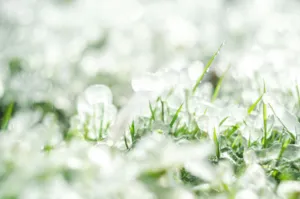
- Ice Damage: Keep water from collecting in puddles on your lawn before a freeze. When that water freezes in a solid layer of ice, it can literally suffocate the grass beneath it.
- Snow Mold: A fungus that shows up in these circular, matted patches when the snow melts. Avoid it by cutting shorter on your last cut and having your lawn drain properly.
- Desiccation: This is when winter winds basically “scorch” your grass by taking all the moisture out of it. If you keep watering right on into late fall, your grass will store up the water it needs to get through winter.
- Crown Hydration: This is a fakeout that happens when a surprise warm spell confuses your grass in winter. The grass is tricked into believing that spring has come, wakes up, and sucks water. The weather then turns cold again and this water will rapidly freeze, which will actually split the plant’s crown right in two. You can avoid it by tapering off on watering late in the season so your grass will go fully dormant and stay that way.
Four-Part Winter Lawn Care Guide
1. The Final Mow of the Season
Your final time you mow this year is important. You don’t want to leave the grass too long or mow it too short.
Bermuda, St. Augustine, and zoysia (warm-season grasses) should be cut down to 1–1.5 inches.
But also be sure to follow the one-third rule: never remove more than one-third of the grass blade in a single mowing. If your grass got away from you and it’s too tall, lower the blade gradually over the span of a couple of mowings.
After that final mow, take some time to service your mower.
- Drain the gas or add a fuel stabilizer.
- Clean off all that dried-on grass.
- Sharpen the blades too. Sharp blades are far more important than most realize. They provide a clean cut, which is really better for the grass.
Do it now and you’ll be ready to hit the ground running in the spring.
2. Fertilize with a Winterizer
This isn’t the same fertilizer you use in the summer. Winterizer is designed to help the roots, not the blades.
Look for something with high potassium and lower nitrogen. Potassium toughens up the plant and helps it withstand cold and disease more easily. Too much nitrogen will just kick on top growth, which is sitting duck for frost damage.
These nutrients will be stored in the roots of your lawn, providing a head start for growth when spring finally comes around.
When do you wish to fertilize for winter? Ideally right after you aerate. And don’t even consider fertilizing after the ground has already frozen. The roots can’t absorb anything then.
3. Aeration
Aeration opens up your soil so air, water, and nutrients can actually get down to the roots. Skip aeration and over time your soil gets packed down hard, making it tough for roots to breathe and grow.
What it does for you: It loosens up compacted soil and helps winter fertilizer and water get absorbed way better.
When to do it: Pre-first frost is best, while the soil is still soft enough to work. Just remember to avoid aerating after the ground has already frozen. You’ll damage the grass crowns and cause more problems than you’ll repair.
4. Mulch Leaves or Add Compost
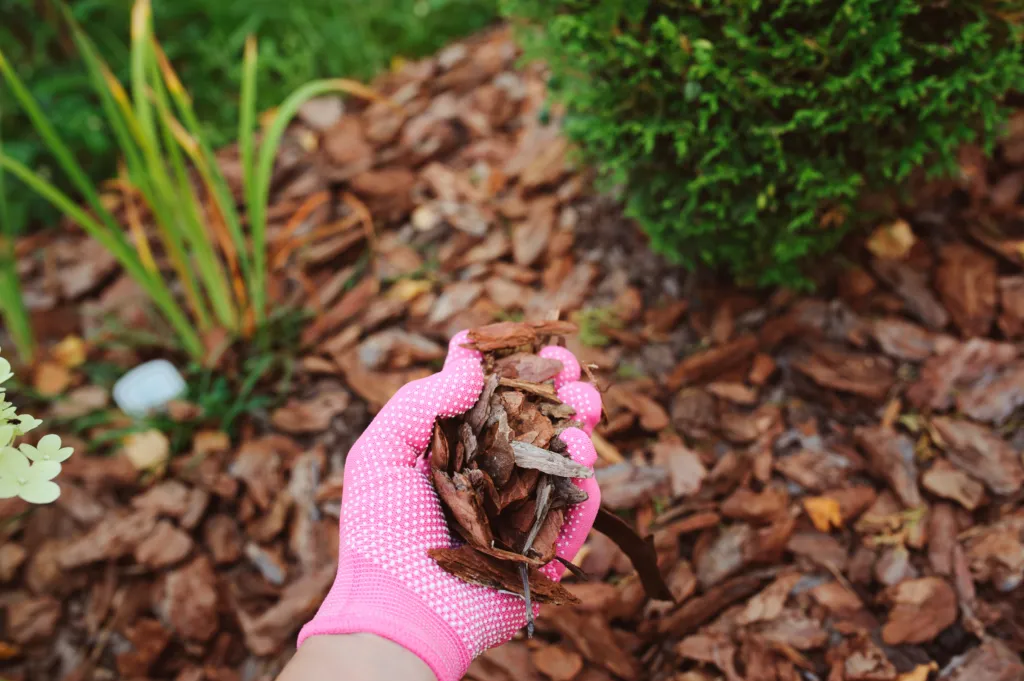
After aerating, top-dress the lawn with a thin layer of compost or mulched leaves.
Compost adds slow-release fertilizer and improves the soil’s ability to hold moisture. Mulched leaves add organic material to the soil. And it’s a lot easier than raking it all up. Just mow over them several times and let them break down over winter.
Just make sure you mulch those leaves thoroughly. Big clumps of whole leaves will smother your lawn.
What’s the Best Time for Winter Lawn Prep?
South: Down south (in places like Alabama), lawns go dormant the first time that frost moves through, so you’ll want to have everything buttoned up by late fall. One thing that gets people caught up: stop using high-nitrogen fertilizers well ahead of your grass going dormant. All that does is stress new, fragile growth that’s going to get beat up by the cold.
North/Midwest: Honestly, this is where winter is bitter and brutal. You need to get your prep work started early to mid-fall. If at all possible, try to get all of the big jobs done (aeration, fertilizing, etc.) around two to three weeks before the ground freezes up solid.
Transition Zones: If you’re in one of those middle ground zones, your timing will depend on what kind of grass you have and when frost or snow is actually supposed to come in. It’s tough because you’re essentially doing both cool-season and warm-season maintenance at the same time.
More Alabama Lawn Winter Tips
Pick Up the Junk
Dispose of thick piles of leaves, limbs, and other debris before snow arrives. Having it there is just inviting mold and offering a welcome mat for pests to move in. Take furniture, toys, and firewood off the lawn as well.
Pay Attention to Cold-Weather Treatments
If you’re applying ice melt to your sidewalks, make sure to choose one that is designated safe for lawns. Also, keep in mind that some rock salt will destroy your grass and kill any nearby bushes or trees. Calcium or magnesium chloride products are usually the safer bet.
Winterize Your Irrigation System
If you have a sprinkler system, winterize it now. While you’re doing so, scoping out the possibility of upgrading to a smart controller next year is a good idea too.
Stay Off the Frozen Grass
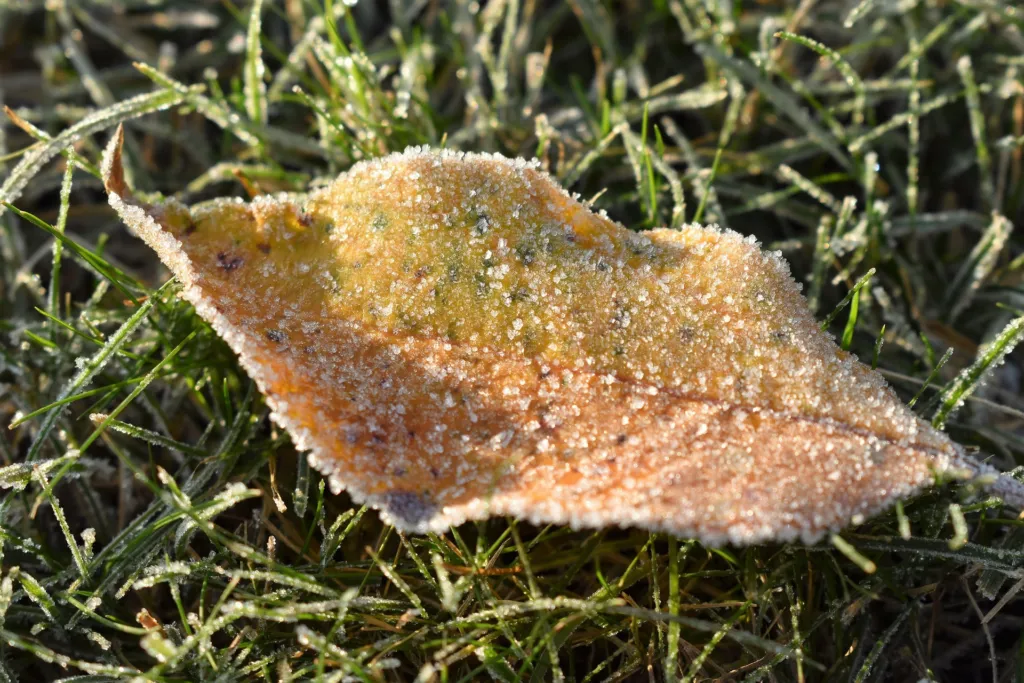
Try not to walk on your lawn if it’s frozen. Once frozen, those blades of grass are brittle and crumble easily. Walk on it too much and you’ll be dealing with the damage all spring.
Most Common Homeowner Lawn Mistakes
Some of your yard tasks happen at the wrong time (or not at all), which can really harm your lawn. Don’t forget these typical mistakes as you’re getting your yard ready for winter.
- No aeration leaves you with soil that’s hard-packed enough that any fertilizer you put on in the winter won’t even penetrate where it needs to.
- Seeding late makes it practically impossible for new grass to take root before the first frost sets in.
- Not having your soil tested to determine what the pH level is. Grass is particular about this and needs to be within a specific range in order to actually perform well.
- Using a high-nitrogen fertilizer too close to the end of the growing season.
- As mentioned above: Letting toys, furniture, and stacks of leaves sit on your lawn all winter. Come spring, you’ll have ugly dead spots and probably some disease problems, too.
DIY vs Professionals for Winter Lawn Tasks
Several of your winter lawn maintenance jobs are easily done by homeowners, if your yard is small, if you just happen to enjoy this kind of chore, and if you have the equipment you’ll need just sitting idle around the house.
However, you might want to hire professionals if any of the following apply:
- Not enough time, energy, or strength. Between working, family, and doing all the other things, sometimes it is simply the practical thing to do to hire someone out. And if your back and knees are no longer what they used to be, why take the chance of injuring yourself over lawn work?
- Rock-hard soil or no aeration in years. Seriously compacted soil needs more than taking half steps. You need the right tools and technique to get through it and actually do some good.
- Large yard. When you are working on a large area of land, time and effort really compound in a hurry. What may take a professional an hour with ease could take your entire day, and that’s if everything doesn’t go wrong.
- Noticeable issues. If you see disease, gross dead areas, or insects causing chaos, don’t take a stab at it. Those are things that need to be professionally diagnosed and treated, not you shooting in the dark about what will fix it. A professional can figure out what is actually happening and fix it before it’s an even bigger problem.
Enjoy Your Winter More This Year!
Winter lawn maintenance shouldn’t be tough or annoying. Whether you require help preparing the ground before that first freeze, keeping your lawn alive during the winter, or just a head start on spring planning, we’ve got it covered. You don’t want to be worrying about your lawn when you could be indoors unwinding!
Reach out to TDI Services in the Gulf Coast of Alabama today to learn more. With highly trained technicians and industry-leading products, we’ll take steps to help achieve your dream yard.
Blog Contributor: Kevin Reed
Kevin Reed serves as the Huntsville Area Manager for TDI, with 29 years of experience. He holds certifications in OTPS Ornamental Turf and Pest Supervisor, PH Public Health, GRD Ground Equipment, WDC Wood Destroying Organisms Certified Operator, and HPC Household, Institutional and Industrial Pest Control. His professional insight is shaped by decades of education, field experience, employee support, and operational leadership.